
Noise pollution silently drains billions from our economy each year while devastating ecosystems worldwide, yet most people remain unaware of its true cost.

In our increasingly urbanized world, the constant hum of traffic, construction, and industrial activity has become so normalized that we barely notice it anymore. However, this acoustic blanket covering our cities and towns carries consequences far more severe than simple annoyance. The hidden costs of noise pollution extend deep into our economic systems, healthcare infrastructure, and natural environments, creating a cascade of impacts that touch virtually every aspect of modern life.
Understanding these hidden costs is crucial for policymakers, urban planners, business leaders, and citizens alike. As we peel back the layers of this pervasive environmental issue, we discover that noise pollution represents not just a quality-of-life concern, but a significant economic burden and ecological threat that demands urgent attention and innovative solutions.
💰 The Staggering Economic Toll of Unwanted Sound
The economic impact of noise pollution stretches far beyond what most people imagine. According to the World Health Organization, environmental noise costs Western European countries approximately 40 billion euros annually in healthcare expenses, lost productivity, and decreased property values. In the United States, the Environmental Protection Agency has estimated that noise-induced hearing loss costs the economy over $240 million per year in workers’ compensation claims alone.
These figures represent only the tip of the iceberg. When we account for indirect costs such as reduced cognitive performance, increased absenteeism, and diminished quality of life, the total economic burden multiplies exponentially. Studies conducted across multiple countries consistently demonstrate that chronic noise exposure correlates with decreased work efficiency, with some research suggesting productivity losses of up to 15% in noise-affected environments.
Property Values: Where Silence Becomes Golden 🏘️
Real estate markets provide perhaps the most tangible evidence of noise pollution’s economic impact. Properties located near airports, highways, railways, and industrial zones consistently command lower prices than comparable properties in quieter neighborhoods. Research from the United Kingdom indicates that for every decibel increase in noise levels above 55 dB, property values decrease by approximately 0.5 to 1.5%.
In urban centers worldwide, this translates to substantial wealth disparities based largely on acoustic environments. A home near a busy intersection might sell for 20-30% less than an identical property just a few blocks away in a quieter setting. This “noise discount” represents billions of dollars in lost property value across major metropolitan areas, affecting homeowner equity and municipal tax bases alike.
🏥 Healthcare Costs: The Medical Burden of Constant Din
The health consequences of chronic noise exposure generate enormous healthcare expenditures that often go unrecognized as noise-related. Cardiovascular disease, hypertension, sleep disorders, mental health conditions, and hearing loss all show strong correlations with prolonged noise exposure, and treating these conditions places significant strain on healthcare systems worldwide.
The European Environment Agency estimates that at least 12,000 premature deaths annually in Europe can be attributed to environmental noise, primarily through cardiovascular pathways. Long-term exposure to noise levels above 55 decibels increases the risk of heart attack by approximately 8% for every 10-decibel increase. When multiplied across populations living in noisy urban environments, this translates to hundreds of thousands of additional heart disease cases requiring expensive medical interventions.
Sleep Disruption: The Invisible Health Crisis
Perhaps no health impact of noise pollution is more universal yet underestimated than sleep disruption. Nighttime noise from traffic, aircraft, neighbors, and urban activities prevents millions of people from obtaining restorative sleep, leading to a cascade of health problems including obesity, diabetes, depression, and impaired immune function.
The economic costs of noise-induced sleep disturbance are staggering. Lost productivity from fatigue, increased accident rates, healthcare expenses for sleep-related disorders, and reduced life quality combine to create an annual burden estimated at over $100 billion in the United States alone. Yet despite this enormous cost, noise-related sleep disruption rarely appears in public health statistics or policy discussions.
📚 Educational Impacts: How Noise Steals Learning Opportunities
Schools located near airports, highways, or in noisy urban environments face a hidden disadvantage that affects student achievement for years to come. Numerous studies have documented that chronic noise exposure impairs reading comprehension, memory formation, problem-solving abilities, and standardized test performance among school children.
Research conducted near airports in multiple countries has found that for every 5-decibel increase in aircraft noise, reading comprehension scores decline by approximately two months of learning progress. Over the course of elementary education, students in high-noise schools can fall behind their peers in quieter environments by more than a year in academic achievement.
The economic implications extend throughout these students’ lives, affecting college admission prospects, career opportunities, and lifetime earning potential. When aggregated across millions of students in noise-affected schools, this represents an enormous loss of human capital and economic productivity that society will bear for generations.
🌳 Environmental Consequences: Nature’s Silent Suffering
While human health and economic impacts capture most attention, noise pollution’s environmental costs deserve equal concern. Wildlife populations worldwide face mounting pressure from anthropogenic noise that disrupts essential behaviors including communication, predator detection, navigation, and reproduction.
In marine environments, underwater noise from shipping, sonar, seismic surveys, and construction interferes with whale and dolphin communication across hundreds of miles. Studies have documented that noise pollution contributes to whale strandings, disrupts feeding behaviors, and separates mothers from calves. The economic value of healthy whale populations extends far beyond aesthetic appreciation, as whales play crucial roles in ocean ecosystems and carbon sequestration worth billions of dollars in ecosystem services.
Bird Populations Under Acoustic Pressure 🐦
Terrestrial environments show equally troubling patterns. Bird populations in noisy urban and suburban areas exhibit altered singing behaviors, shifted breeding patterns, reduced reproductive success, and population declines. Since many bird species provide critical ecosystem services including insect control, seed dispersal, and pollination, their population declines carry economic consequences for agriculture and forestry.
Research has demonstrated that chronic noise exposure can reduce bird population density by 25-75% depending on species and noise levels. This biodiversity loss diminishes ecosystem resilience and reduces the natural pest control services that save agriculture billions of dollars annually in pesticide costs and crop losses.
🏗️ Industry and Commerce: Hidden Operational Costs
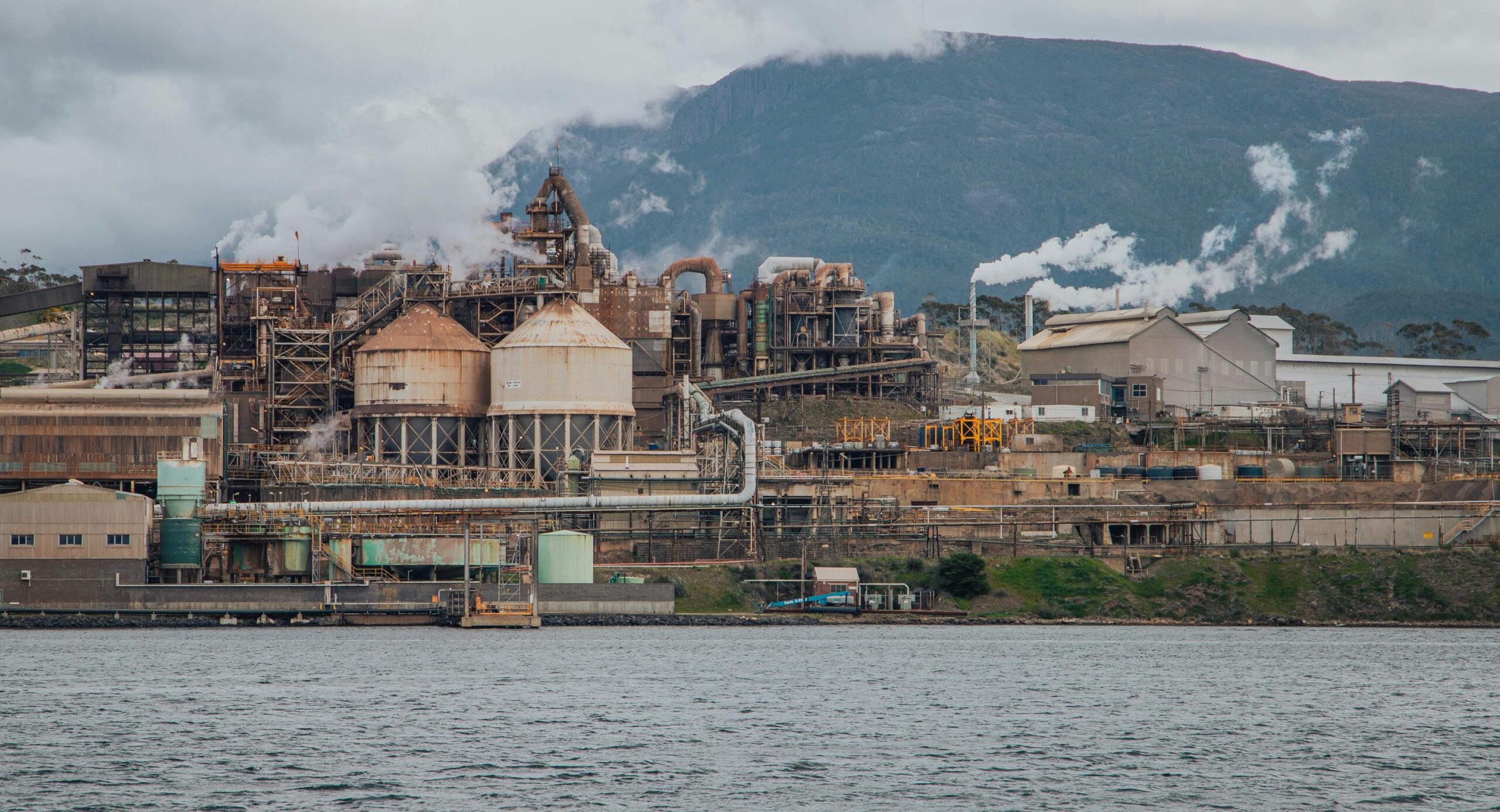
Businesses operating in noisy environments or generating noise pollution face multiple economic burdens often overlooked in conventional accounting. Worker compensation claims for noise-induced hearing loss represent just the beginning. Decreased employee productivity, higher turnover rates, increased error rates, and elevated stress-related absenteeism all contribute to reduced profitability in noise-affected workplaces.
Manufacturing facilities, construction companies, transportation operators, and entertainment venues must invest significantly in noise control measures, protective equipment, hearing conservation programs, and regulatory compliance. These costs, while necessary, represent economic burdens that quieter operations avoid entirely.
Moreover, noise complaints from neighbors can result in operational restrictions, legal disputes, fines, and damaged community relations that impose substantial financial and reputational costs on businesses. Smart companies increasingly recognize that proactive noise management represents both good citizenship and sound financial strategy.
🚦 Transportation Networks: The Loudest Culprit
Transportation systems—including roads, railways, airports, and shipping lanes—generate the majority of environmental noise affecting human populations. The World Health Organization identifies traffic noise as the second-largest environmental health threat in Europe after air pollution, affecting over 100 million people.
The economic costs of transportation noise extend beyond health impacts to include reduced residential desirability, decreased tourism appeal, and barriers to urban development. Cities worldwide struggle to balance transportation infrastructure needs with quality of life considerations, often underestimating the true economic cost of noisy transportation systems.
Aviation Noise: A Special Case Study ✈️
Airport noise represents perhaps the most studied and economically significant transportation noise source. Properties near major airports experience dramatic value reductions, with homes directly under flight paths sometimes losing 40% or more of their market value. Across the United States alone, this represents hundreds of billions of dollars in lost residential property value.
Airlines and airports spend billions on noise mitigation measures including soundproofing programs, operational restrictions, and newer quieter aircraft technology. Yet despite these investments, airport noise continues generating thousands of complaints, restricting airport expansion, and creating significant political and economic challenges for aviation growth.
🔍 Measuring What Matters: The Challenge of Quantification
One reason noise pollution costs remain “hidden” is the difficulty of accurate measurement and economic valuation. Unlike air or water pollution, which leave measurable chemical traces, noise exists only in the moment and varies tremendously by time, location, and individual perception.
Economists have developed various methodologies for estimating noise costs, including hedonic pricing models analyzing property values, health impact assessments calculating medical expenses, and stated preference surveys measuring willingness to pay for quiet. However, these approaches yield widely varying estimates and struggle to capture intangible costs like stress, annoyance, and reduced life quality.
This measurement challenge means noise pollution consistently receives less policy attention and fewer resources than other environmental issues with more easily quantified impacts. Developing better noise cost assessment tools represents a critical need for evidence-based policymaking.
💡 Solutions and Mitigation: Investing in Quiet
Addressing noise pollution requires coordinated action across multiple sectors including urban planning, transportation policy, building standards, and industrial regulation. Fortunately, effective solutions exist and often deliver strong economic returns alongside environmental and health benefits.
Urban design strategies such as buffer zones, green spaces, noise barriers, and building orientation can significantly reduce noise exposure without prohibitive costs. Modern construction techniques using improved insulation, specialized windows, and acoustic design principles can create peaceful indoor environments even in noisy urban settings.
Technology and Innovation: Engineering Quieter Solutions
Technological advances continue delivering quieter vehicles, machinery, and equipment that reduce noise at the source. Electric vehicles, for instance, generate substantially less noise than combustion engines, particularly at low speeds. As transportation electrifies over coming decades, urban noise levels could decline dramatically, delivering enormous health and economic benefits.
For those seeking to monitor and manage their personal noise exposure, smartphone applications now offer sophisticated sound measurement and tracking capabilities. These tools can help individuals identify problematic noise sources and take protective action.
🌍 Policy Frameworks: Regulating for Quiet
Effective noise policy requires balancing economic activity with health protection, a challenge that different jurisdictions approach with varying strategies. The European Union has implemented comprehensive environmental noise directives requiring member states to map noise exposure, develop action plans, and inform citizens about noise risks.
Other regions have adopted noise standards for specific sources such as vehicles, aircraft, and industrial equipment, gradually tightening these standards as technology improves. Economic instruments including noise charges, quiet zones, and financial incentives for noise reduction technologies show promise for aligning economic incentives with public health goals.
However, implementation remains inconsistent worldwide, with many developing countries lacking comprehensive noise regulations entirely. Strengthening global noise policy frameworks represents an important opportunity for improving public health while potentially saving billions in healthcare and productivity costs.
🔮 The Path Forward: Investing in Acoustic Health
The evidence is overwhelming: noise pollution imposes enormous economic costs while damaging both human health and natural ecosystems. Yet compared to other environmental challenges, it remains dramatically underfunded and under-addressed in public policy.
Investments in noise reduction infrastructure, stricter source standards, improved urban planning, and public awareness campaigns could deliver extraordinary returns. Studies suggest that every dollar spent on strategic noise mitigation generates three to eight dollars in combined health benefits, property value increases, and productivity gains.
As urban populations continue growing and human activity expands into previously quiet natural areas, the urgency of addressing noise pollution will only intensify. The hidden costs we’ve explored—billions in healthcare expenses, trillions in lost property value, immeasurable environmental damage—demand recognition and action.
By unmasking these hidden costs and treating noise pollution as the serious economic and environmental threat it truly represents, we can build healthier, more productive, and more sustainable communities. The question is not whether we can afford to address noise pollution, but whether we can afford not to. The price of continued inaction grows steeper with each passing year, measured in diminished health, lost economic opportunity, and degraded natural environments.
Creating a quieter world isn’t just about comfort or aesthetics—it’s about protecting human health, preserving economic value, and safeguarding the natural environments upon which all life depends. The time has come to turn down the volume and invest in acoustic health for current and future generations.