The global energy landscape stands at a critical crossroads, where decisions made today will determine the environmental, economic, and social well-being of generations to come.

Climate change, resource depletion, and increasing energy demands have created an urgent need to reimagine how we generate, distribute, and consume energy. The transition toward sustainable energy systems is no longer optional—it’s imperative for our collective survival and prosperity. As nations worldwide grapple with the dual challenges of meeting growing energy needs while reducing carbon emissions, transforming energy policies has emerged as the cornerstone of building a resilient future.
Energy policies shape the backbone of modern civilization, influencing everything from industrial productivity to household comfort. However, traditional approaches centered on fossil fuels have proven unsustainable, contributing to environmental degradation and geopolitical instability. The path forward requires bold policy reforms that embrace renewable energy sources, promote energy efficiency, and foster technological innovation while ensuring equitable access to clean energy for all communities.
🌍 The Current Energy Crisis and Its Global Implications
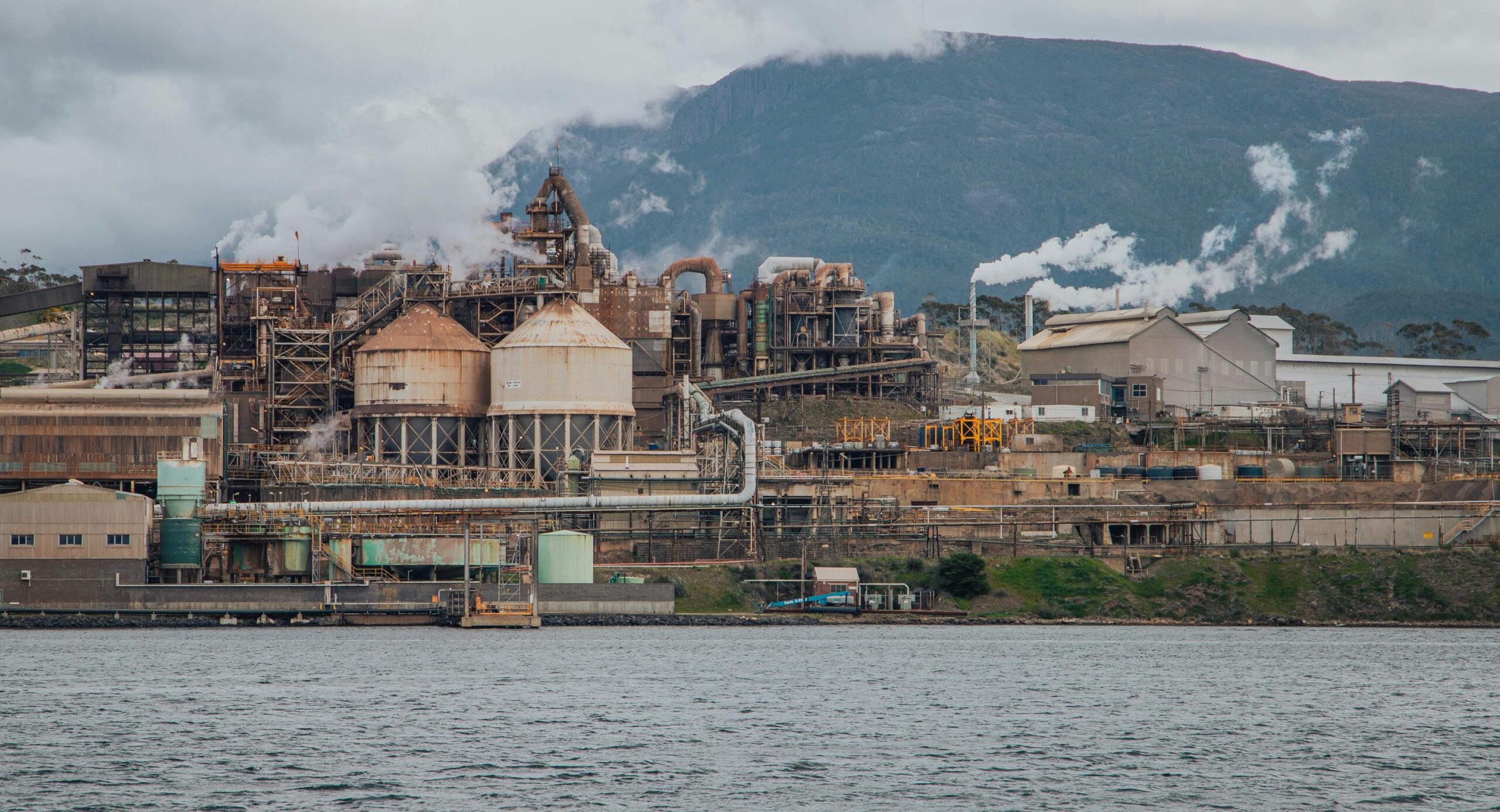
The world’s dependence on fossil fuels has created a precarious energy ecosystem vulnerable to price volatility, supply disruptions, and environmental catastrophes. Coal, oil, and natural gas currently account for approximately 80% of global energy consumption, releasing billions of tons of carbon dioxide into the atmosphere annually. This carbon-intensive model has driven global temperatures upward, triggering extreme weather events, rising sea levels, and ecosystem collapse across continents.
Energy security concerns have intensified as geopolitical tensions affect supply chains and pricing mechanisms. Countries heavily reliant on energy imports face economic vulnerabilities that can destabilize entire regions. Meanwhile, energy poverty persists in many developing nations, where nearly 800 million people still lack access to electricity, hindering economic development and quality of life improvements.
The economic costs of inaction continue mounting. Natural disasters linked to climate change cause hundreds of billions of dollars in damages annually, while air pollution from fossil fuel combustion results in millions of premature deaths worldwide. These interconnected challenges underscore the necessity of comprehensive policy transformation that addresses environmental, economic, and social dimensions simultaneously.
☀️ Renewable Energy: The Foundation of Sustainable Policy Reform
Solar, wind, hydroelectric, and geothermal energy represent the pillars of a sustainable energy future. These renewable sources offer virtually limitless potential without the carbon emissions associated with fossil fuels. Over the past decade, technological advancements have dramatically reduced the costs of renewable energy generation, making solar and wind power competitive with or cheaper than conventional energy sources in many markets.
Effective energy policies must prioritize the expansion of renewable infrastructure through strategic investments and supportive regulatory frameworks. Feed-in tariffs, renewable energy certificates, and power purchase agreements have proven successful in accelerating renewable adoption across various jurisdictions. Governments must establish clear long-term targets that provide certainty for investors and stimulate private sector participation in renewable energy projects.
Grid modernization represents a critical component of renewable energy integration. Smart grids equipped with advanced monitoring and control systems can efficiently manage the variable nature of solar and wind generation. Energy storage solutions, particularly battery technologies, are essential for balancing supply and demand, ensuring grid stability, and maximizing renewable energy utilization during peak consumption periods.
Breaking Down Barriers to Renewable Adoption
Despite tremendous progress, several obstacles impede widespread renewable energy deployment. Outdated regulatory frameworks designed for centralized fossil fuel systems often disadvantage distributed renewable generation. Policy reforms must eliminate these structural barriers by streamlining permitting processes, updating grid connection standards, and removing fossil fuel subsidies that distort market competition.
Public acceptance and community engagement play vital roles in renewable energy project success. Transparent planning processes that include local stakeholders help address concerns about visual impacts, land use, and environmental effects. Community ownership models and benefit-sharing mechanisms can transform potential opposition into enthusiastic support while ensuring equitable distribution of renewable energy’s economic advantages.
⚡ Energy Efficiency: The Overlooked Policy Priority
While renewable energy generation captures considerable attention, energy efficiency improvements offer immediate and cost-effective emissions reductions. Buildings, transportation, and industrial processes collectively account for the majority of global energy consumption, presenting enormous opportunities for efficiency gains through policy intervention and technological innovation.
Building codes and appliance standards represent powerful policy tools for reducing energy waste. Mandatory energy performance requirements for new construction and renovation projects can dramatically decrease heating, cooling, and lighting demands. Progressive standards that tighten over time create predictable pathways for manufacturers and builders while driving continuous efficiency improvements across the building sector.
Transportation electrification offers substantial efficiency benefits alongside emissions reductions. Electric vehicles convert energy to motion far more efficiently than internal combustion engines, while producing zero direct emissions. Policy measures including purchase incentives, charging infrastructure investments, and phase-out timelines for fossil fuel vehicles accelerate the transition toward clean transportation systems.
Industrial Efficiency and Circular Economy Principles
Industrial sectors consume vast amounts of energy, making efficiency improvements in manufacturing processes critically important. Policies promoting best available technologies, energy management systems, and waste heat recovery can significantly reduce industrial energy intensity. Carbon pricing mechanisms create economic incentives for industries to invest in efficiency upgrades and process innovations.
Circular economy approaches that emphasize material reuse, remanufacturing, and recycling reduce both resource extraction and energy consumption. Extended producer responsibility policies shift disposal costs back to manufacturers, encouraging design choices that facilitate repair, refurbishment, and recycling. These systemic changes complement renewable energy development by reducing overall energy demand.
💡 Innovation and Technology: Catalysts for Energy Transformation
Technological innovation drives the energy transition forward, continuously expanding possibilities for sustainable energy systems. Research and development investments yield breakthrough technologies that enhance renewable energy performance, improve storage capabilities, and enable new approaches to energy generation and distribution. Public funding for energy research creates knowledge spillovers and market opportunities that private investment alone cannot achieve.
Emerging technologies including green hydrogen, advanced nuclear reactors, and carbon capture systems may play important roles in decarbonizing sectors difficult to electrify directly. Policy frameworks must remain technologically neutral while supporting diverse innovation pathways. Demonstration projects and commercialization support help promising technologies cross the “valley of death” between laboratory success and market viability.
Digital technologies transform energy systems through enhanced monitoring, control, and optimization. Artificial intelligence and machine learning applications improve renewable energy forecasting, optimize grid operations, and enable demand response programs that balance electricity supply and consumption in real-time. Policies supporting digital infrastructure development and data sharing accelerate these smart energy innovations.
🤝 International Cooperation and Policy Harmonization
Climate change and energy security transcend national boundaries, requiring coordinated international action. The Paris Agreement established a framework for global cooperation, but implementation depends on national policy commitments and accountability mechanisms. Strengthening international institutions, sharing best practices, and providing technical and financial assistance to developing nations remain essential for achieving collective climate goals.
Trade policies significantly influence energy transitions through their effects on technology costs and market access. Removing barriers to renewable energy equipment trade accelerates global deployment while reducing costs through economies of scale. However, policies must balance openness with support for domestic manufacturing capabilities and workforce development in growing clean energy sectors.
Technology transfer and capacity building help developing nations leapfrog outdated fossil fuel infrastructure, avoiding carbon lock-in while meeting development aspirations. International climate finance mechanisms channel resources toward renewable energy projects in countries lacking sufficient capital. North-South cooperation on clean energy transitions addresses historical responsibility for emissions while recognizing differentiated capabilities and circumstances.
🏛️ Governance Structures for Effective Energy Policy
Successful energy transformation requires robust governance frameworks that align diverse stakeholders around common objectives. Independent energy regulatory agencies insulated from short-term political pressures can make technically sound decisions based on long-term sustainability criteria. Multi-stakeholder advisory bodies incorporating industry, civil society, and academic perspectives ensure policy development benefits from diverse expertise and viewpoints.
Adaptive governance approaches acknowledge uncertainty and enable policy adjustments as technologies evolve and circumstances change. Regular policy reviews, evidence-based decision-making, and transparent evaluation processes allow governments to refine strategies based on implementation experiences. Flexibility within clear long-term frameworks provides stability for investors while maintaining responsiveness to new opportunities and challenges.
Vertical integration across governmental levels enhances policy coherence and effectiveness. National energy strategies require coordination with regional and local implementation efforts, where many practical decisions about infrastructure location and development occur. Empowering local governments with resources and authority to pursue ambitious climate action unleashes bottom-up innovation while respecting community preferences and circumstances.
💰 Financing the Energy Transition
Transforming global energy systems requires trillions of dollars in investments over coming decades. Mobilizing this capital demands innovative financing mechanisms that reduce investment risks and attract diverse funding sources. Public finance institutions can catalyze private investment through loan guarantees, concessional financing, and risk-sharing arrangements that improve project economics in emerging markets.
Carbon pricing through taxes or emissions trading systems generates revenue streams that can fund clean energy transitions while creating economic incentives for emissions reductions. Revenue recycling through dividends or targeted investments ensures carbon pricing remains politically sustainable while supporting affected workers and communities. Gradually increasing carbon prices provide predictable signals that guide long-term investment decisions.
Green bonds and sustainable finance frameworks channel capital toward environmentally beneficial projects. Disclosure requirements and taxonomies defining green investments prevent greenwashing while increasing transparency. Integrating climate risks into financial regulations encourages institutions to consider long-term sustainability in lending and investment decisions, gradually reorienting capital flows toward resilient, low-carbon assets.
⚖️ Justice and Equity in Energy Transitions
Energy policy transformations must address equity concerns to ensure fair distribution of costs and benefits. Just transition frameworks support workers and communities economically dependent on fossil fuel industries through retraining programs, economic diversification initiatives, and social safety nets. Proactive planning and stakeholder engagement help manage dislocations while maintaining social cohesion throughout structural economic changes.
Energy access remains a fundamental justice issue requiring targeted policy attention. Off-grid renewable energy solutions provide affordable electricity to remote communities bypassed by centralized infrastructure. Policies supporting decentralized energy systems empower underserved populations while demonstrating renewable technologies’ versatility and scalability across diverse contexts and geographies.
Energy affordability concerns require careful policy design to prevent low-income households from bearing disproportionate transition costs. Targeted assistance programs, progressive rate structures, and efficiency investments in affordable housing protect vulnerable populations while advancing sustainability objectives. Inclusive policy development processes ensure marginalized voices influence decisions affecting their energy futures and economic opportunities.

🔮 Building Resilience Through Diversified Energy Systems
Climate change itself threatens energy infrastructure through extreme weather events, requiring resilience-focused policy approaches. Distributed generation, microgrids, and energy storage enhance system reliability by reducing dependence on vulnerable centralized infrastructure. Policies encouraging diversification across energy sources, generation locations, and supply chains strengthen overall system robustness against various disruption scenarios.
Cybersecurity considerations grow increasingly important as energy systems become more digitized and interconnected. Regulatory frameworks must establish minimum security standards for critical infrastructure while promoting information sharing about threats and vulnerabilities. Balancing innovation with security requires ongoing dialogue between technology developers, system operators, and government agencies responsible for protecting essential services.
The transformation toward sustainable energy systems represents humanity’s greatest infrastructure challenge and opportunity. Success requires unprecedented coordination across governments, businesses, and civil society, guided by comprehensive policies that balance environmental imperatives with economic realities and social justice. The policy frameworks established today will determine whether we build an energy future characterized by sustainability, resilience, and shared prosperity or continue down pathways leading toward ecological collapse and deepening inequalities.
As technological capabilities expand and public awareness grows, the window for decisive action remains open but narrowing. Bold leadership, informed by science and guided by equity principles, can accelerate the energy transition and secure a livable planet for future generations. The policies we implement now—promoting renewable energy, enhancing efficiency, fostering innovation, and ensuring justice—will power the sustainable and resilient tomorrow that remains within our collective reach. 🌱