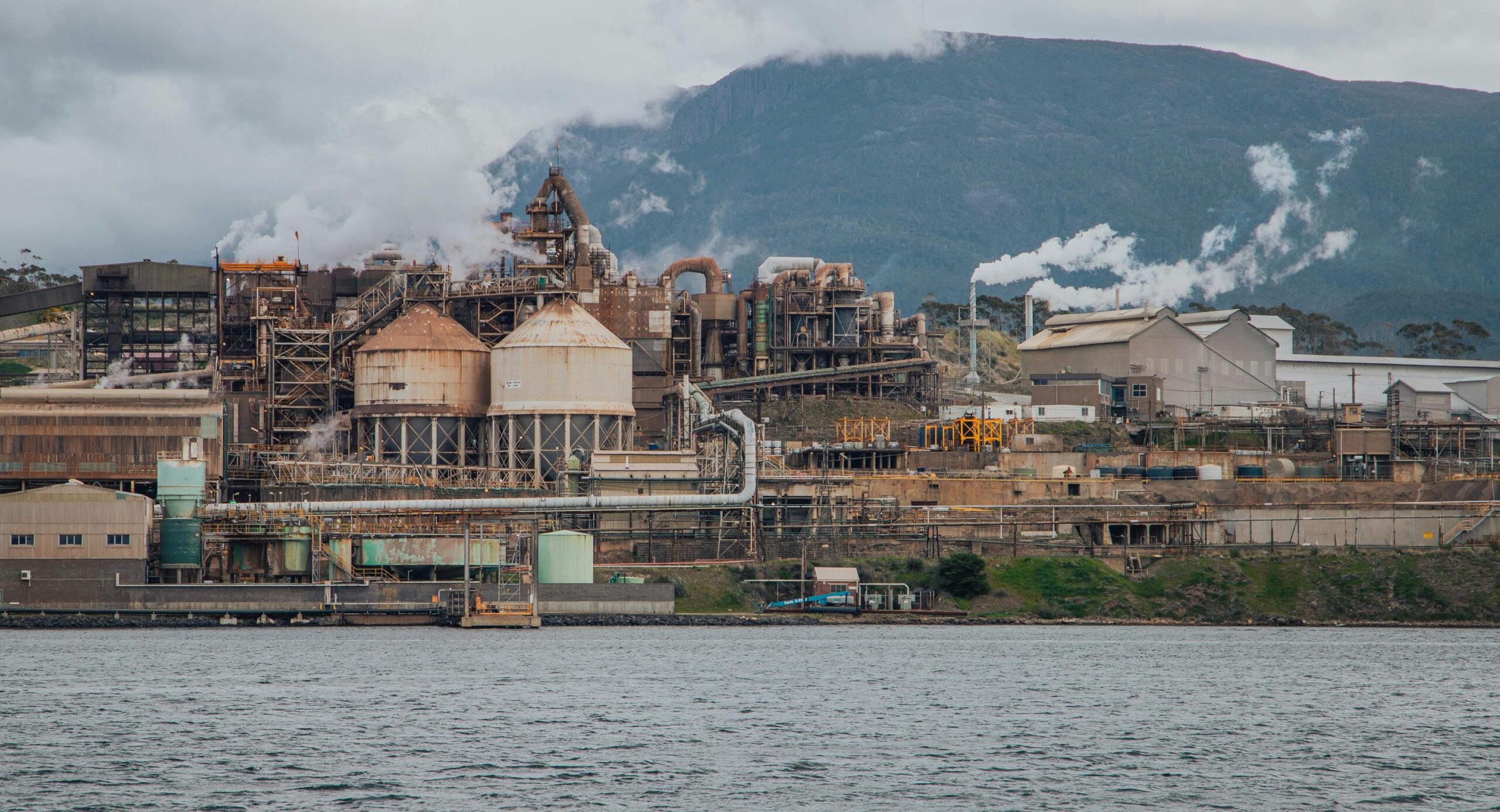
Cities worldwide are undergoing profound transformations as policymakers reimagine urban spaces to meet 21st-century challenges of sustainability, equity, and resilience.

🌆 The Urban Revolution: Why Cities Must Transform Now
The world’s urban population has surpassed 4.4 billion people, representing over 56% of humanity, with projections indicating this figure will reach 68% by 2050. This unprecedented urbanization presents both extraordinary opportunities and daunting challenges. Cities consume approximately 78% of the world’s energy and produce more than 60% of greenhouse gas emissions, yet they also serve as incubators for innovation, cultural exchange, and economic prosperity.
Traditional urban planning models, designed for the industrial age, are proving inadequate for addressing contemporary complexities such as climate change, social inequality, affordable housing shortages, and technological disruption. Forward-thinking municipalities are consequently pioneering innovative policy interventions that fundamentally reimagine how cities function, prioritizing sustainability, inclusivity, and quality of life alongside economic growth.
These transformative approaches recognize that thriving communities emerge not from single-solution policies but from integrated, adaptive frameworks that address interconnected urban systems holistically. From Barcelona’s superblocks to Singapore’s smart nation initiatives, cities are demonstrating that bold, evidence-based interventions can reshape urban environments for the better.
🚴♀️ Mobility Revolution: Reclaiming Streets for People
Transportation systems fundamentally shape urban life, influencing everything from air quality to social connectivity. Progressive cities are moving beyond car-centric planning toward multimodal networks that prioritize pedestrians, cyclists, and public transit users.
Complete Streets and Active Transportation
The “complete streets” movement redesigns roadways to safely accommodate all users regardless of age, ability, or transportation mode. Cities like Copenhagen have invested heavily in cycling infrastructure, resulting in 62% of residents commuting by bicycle daily. This shift reduces carbon emissions, improves public health, and creates more livable neighborhoods.
Paris has emerged as a global leader with its “15-minute city” concept, ensuring residents can access essential services within a quarter-hour walk or bike ride. Mayor Anne Hidalgo’s administration has added over 1,000 kilometers of bicycle lanes, pedestrianized major thoroughfares, and transformed underutilized spaces into community gathering areas.
Transit-Oriented Development
Transit-oriented development (TOD) concentrates residential, commercial, and recreational spaces around high-quality public transportation nodes. This approach reduces automobile dependency, increases transit ridership, and creates vibrant, walkable neighborhoods. Cities like Tokyo, Hong Kong, and Vancouver have successfully implemented TOD principles, demonstrating their viability across diverse cultural and geographic contexts.
Curitiba, Brazil pioneered Bus Rapid Transit (BRT) systems that deliver metro-like performance at substantially lower costs. The city’s integrated land-use and transportation planning has influenced over 180 cities worldwide to adopt similar systems, proving that sustainable mobility solutions need not require massive infrastructure investments.
🏡 Housing Innovation: Creating Affordability and Opportunity
The global housing affordability crisis threatens social cohesion and economic vitality in cities worldwide. Innovative policy interventions are addressing this challenge through diverse approaches that balance market dynamics with social objectives.
Social Housing Reimagined
Vienna’s social housing model stands as perhaps the most successful example of publicly-supported affordable housing. Approximately 60% of Vienna’s residents live in subsidized housing that maintains high architectural standards, mixed-income integration, and long-term affordability. The city treats housing as infrastructure rather than commodity, investing consistently in quality developments that enhance rather than stigmatize residents.
Singapore’s Housing Development Board provides quality public housing to over 80% of the population through a unique ownership model. Long-term leaseholds, ethnic integration policies, and proximity to amenities create stable, diverse communities while maintaining affordability across income levels.
Inclusionary Zoning and Community Land Trusts
Inclusionary zoning policies require or incentivize developers to include affordable units in new residential projects. Cities like New York, San Francisco, and London have implemented various inclusionary programs, though results vary based on specific policy design and enforcement mechanisms.
Community land trusts (CLTs) separate land ownership from building ownership, permanently removing land from speculative markets while allowing residents to own homes. Burlington, Vermont’s pioneering CLT has maintained housing affordability for over four decades, inspiring similar initiatives in cities facing gentrification pressures.
🌱 Green Infrastructure: Nature-Based Urban Solutions
Integrating natural systems into urban environments addresses multiple challenges simultaneously, from climate adaptation to public health enhancement. Green infrastructure interventions represent cost-effective, aesthetically pleasing alternatives to conventional gray infrastructure.
Urban Forests and Green Corridors
Cities are dramatically increasing tree canopy coverage to combat urban heat islands, improve air quality, and enhance mental wellbeing. Melbourne aims to increase canopy cover from 22% to 40% by 2040, while Milan plans to plant 3 million trees by 2030. These ambitious greening programs require sophisticated planning to ensure equitable distribution and appropriate species selection for changing climatic conditions.
Seoul’s Cheonggyecheon Stream restoration project demolished an elevated highway to restore a historic waterway, creating an 11-kilometer linear park through the city center. The project reduced urban temperatures, increased biodiversity, stimulated economic development, and transformed public perception of what urban spaces can become.
Blue-Green Infrastructure for Water Management
Climate change is intensifying both flooding and drought cycles, requiring cities to rethink water management. Copenhagen’s innovative cloudburst management plan integrates green spaces, permeable surfaces, and water retention features throughout the city to handle increasingly severe storms while creating recreational amenities during dry periods.
Portland’s extensive bioswale network manages stormwater through landscape features that filter pollutants, reduce runoff, and enhance neighborhood aesthetics. These distributed systems prove more resilient and cost-effective than traditional centralized infrastructure while providing multiple co-benefits.
💡 Smart City Technologies: Data-Driven Urban Management
Digital technologies enable unprecedented insights into urban systems, supporting evidence-based policymaking and responsive service delivery. However, smart city initiatives must carefully balance efficiency gains against privacy concerns and digital equity.
Integrated Data Platforms
Barcelona’s Sentilo platform integrates data from sensors across the city, monitoring everything from air quality to waste collection efficiency. This comprehensive approach enables coordinated responses to urban challenges while providing transparency through public data dashboards that engage citizens in governance.
Amsterdam’s smart city initiatives emphasize citizen participation and open data principles. The city collaborates with residents, businesses, and researchers on experimental projects addressing local challenges, ensuring technological solutions serve community-identified needs rather than imposing top-down interventions.
Digital Inclusion Imperatives
Smart city benefits remain inaccessible to digitally excluded populations without intentional inclusion strategies. Cities like New York have implemented comprehensive digital literacy programs and public internet access initiatives to ensure technological advancement doesn’t exacerbate existing inequalities.
🤝 Participatory Governance: Democratizing Urban Decision-Making
Traditional top-down governance models often fail to address diverse community needs or build public trust. Innovative participatory mechanisms give residents meaningful influence over decisions affecting their neighborhoods.
Participatory Budgeting
Participatory budgeting allocates portions of municipal budgets through direct democratic processes. Porto Alegre, Brazil pioneered this approach in 1989, and thousands of cities worldwide have since adopted variations. Paris currently operates the world’s largest participatory budget, allocating €500 million through citizen voting on project proposals.
These processes typically increase civic engagement, improve budget transparency, and direct resources toward underserved communities. However, success requires sustained commitment, adequate resources for facilitation, and mechanisms ensuring broad rather than narrow participation.
Digital Democracy Tools
Digital platforms expand participatory opportunities beyond traditional public meetings that exclude many residents due to timing, location, or format barriers. Madrid’s Decide platform enables proposal submission, debate, and voting on city initiatives, with successful proposals guaranteed implementation.
Taiwan’s vTaiwan platform facilitates large-scale deliberation on complex policy issues using innovative digital tools that identify consensus rather than amplifying division. This approach has successfully resolved contentious issues by focusing discussions on shared values and creative problem-solving.
🏪 Local Economic Development: Building Resilient Urban Economies
Sustainable urban prosperity requires economic policies that create quality employment, support local entrepreneurship, and circulate wealth within communities rather than extracting it.
Circular Economy Initiatives
Amsterdam aims to become fully circular by 2050, redesigning economic systems to eliminate waste and continuously cycle materials. The city’s comprehensive strategy addresses construction, food systems, and consumer goods through regulatory changes, business support programs, and demonstration projects showcasing circular business models.
Glasgow’s Circular Economy Routemap focuses on creating local employment through repair, remanufacturing, and recycling enterprises. This approach simultaneously addresses environmental challenges and economic inequality by generating accessible jobs in communities facing deindustrialization.
Supporting Local Enterprise
Preston, England’s community wealth building strategy redirects institutional procurement toward local suppliers, deliberately circulating money within the regional economy. This approach increased local spend by anchor institutions from 5% to 18% within five years, generating employment and strengthening business ecosystems without requiring major public expenditures.
⚖️ Advancing Social Equity Through Urban Policy
Cities worldwide grapple with persistent inequalities based on race, class, gender, and other factors. Transformative urban policies must explicitly address systemic barriers rather than assuming rising prosperity will automatically benefit all residents.
Equity Impact Assessments
Seattle requires equity impact assessments for significant policy and budget decisions, systematically analyzing how proposals affect different demographic groups. This process surfaces potential discriminatory impacts before implementation and identifies opportunities to advance equity through policy design modifications.
Similar frameworks adopted by cities like Portland and Minneapolis embed equity considerations throughout government operations rather than treating them as afterthoughts, though implementation rigor varies considerably across jurisdictions.
Anti-Displacement Strategies
Urban improvements paradoxically often price out existing residents through gentrification processes. Portland’s preference policy for affordable housing gives priority to community members displaced by past urban renewal projects and descendants of residents from historically disinvested neighborhoods, attempting to redress historical injustices while preventing new displacement.
🌍 Climate Action: Cities Leading Global Decarbonization
Cities generate the majority of greenhouse gas emissions but also possess significant capacity for climate action. Urban climate policies increasingly recognize that decarbonization and livability improvements are mutually reinforcing rather than competing objectives.
Building Performance Standards
Buildings account for approximately 40% of urban emissions. New York City’s Local Law 97 requires large buildings to meet increasingly stringent emissions limits, essentially mandating deep energy retrofits across millions of square feet of building stock. This regulatory approach complements incentive programs and technical assistance to drive transformation at necessary scale and speed.
Vancouver’s Zero Emissions Building Plan requires all new buildings to operate without fossil fuel combustion by 2030, with existing buildings to follow by 2040. These ambitious timelines signal clear market expectations while providing sufficient lead time for industry adaptation.
District Energy Systems
District heating and cooling systems distribute thermal energy from centralized sources to multiple buildings, achieving efficiencies impossible through individual systems. Copenhagen’s district heating network serves 98% of the city, increasingly powered by renewable sources and waste heat recovery, demonstrating how infrastructure choices made decades ago enable or constrain contemporary climate action.
🎯 Implementation Challenges and Success Factors
Transformative urban policies face numerous implementation obstacles, from political opposition to capacity constraints. Understanding common challenges helps cities navigate complex change processes more effectively.
Political cycles often misalign with long-term urban transformations, requiring strategies that build broad coalitions transcending partisan divisions. Successful cities typically combine visionary leadership with inclusive processes that give diverse stakeholders ownership of change agendas.
Adequate funding remains perpetually challenging, particularly for municipalities with constrained fiscal capacity. Innovative cities increasingly leverage diverse funding mechanisms including value capture, green bonds, public-private partnerships, and national climate funds rather than relying solely on general revenues.
Implementation capacity requires both technical expertise and adaptive management capabilities. Cities benefit from peer learning networks, partnerships with research institutions, and iterative approaches that treat policies as experiments requiring ongoing adjustment based on monitoring and evaluation.
🚀 Emerging Frontiers in Urban Innovation
The urban transformation agenda continues evolving as new challenges emerge and novel solutions develop. Several frontiers deserve particular attention from policymakers and practitioners.
The post-pandemic city requires rethinking assumptions about work locations, commercial real estate utilization, and public space needs. Hybrid work patterns create opportunities for neighborhood vitalization but challenge downtown business districts dependent on commuter traffic.
Autonomous vehicles and micromobility options promise transformative impacts on urban transportation systems, though actual effects depend heavily on regulatory frameworks and integration with broader mobility policies. Cities must proactively shape these transitions rather than simply responding to technology industry initiatives.
Climate adaptation demands increasing attention as mitigation efforts, however successful, cannot prevent all climate impacts. Urban heat management, flood resilience, and disaster preparedness require substantial investments in both physical infrastructure and social systems supporting vulnerable populations.
🌟 Building Tomorrow’s Cities Today
Transforming cities into sustainable, inclusive, thriving communities represents one of humanity’s most critical challenges and opportunities. The innovative policy interventions explored throughout this article demonstrate that alternatives to business-as-usual urban development are not only possible but increasingly proven at scale across diverse contexts.
Success requires moving beyond siloed, incremental approaches toward integrated visions that recognize interconnections among transportation, housing, environment, economy, and social systems. Cities making greatest progress typically combine ambitious goals with pragmatic implementation strategies, learning from both successes and setbacks while maintaining long-term commitment.
The urban transformation imperative extends beyond environmental necessity to encompass social justice, economic opportunity, and quality of life. Cities that embrace this comprehensive agenda position themselves to attract talent, foster innovation, and build resilience against multiple future challenges.
Ultimately, transforming cities requires recognizing that urban spaces are not fixed products but ongoing collective projects shaped by countless decisions at multiple scales. Every policy intervention, infrastructure investment, and community initiative contributes to the urban fabric’s evolution. By choosing deliberately and democratically, cities can consciously create futures characterized by sustainability, equity, and vitality rather than accepting default trajectories leading toward deepening crises.
The examples and approaches outlined here provide inspiration and practical direction for urban leaders worldwide committed to transformative change. While contexts vary considerably, the fundamental principles of sustainability, inclusivity, participation, and systems thinking apply universally. The time for incremental adjustment has passed; cities must embrace bold innovation to meet this century’s defining challenges and create communities where all residents can genuinely thrive.