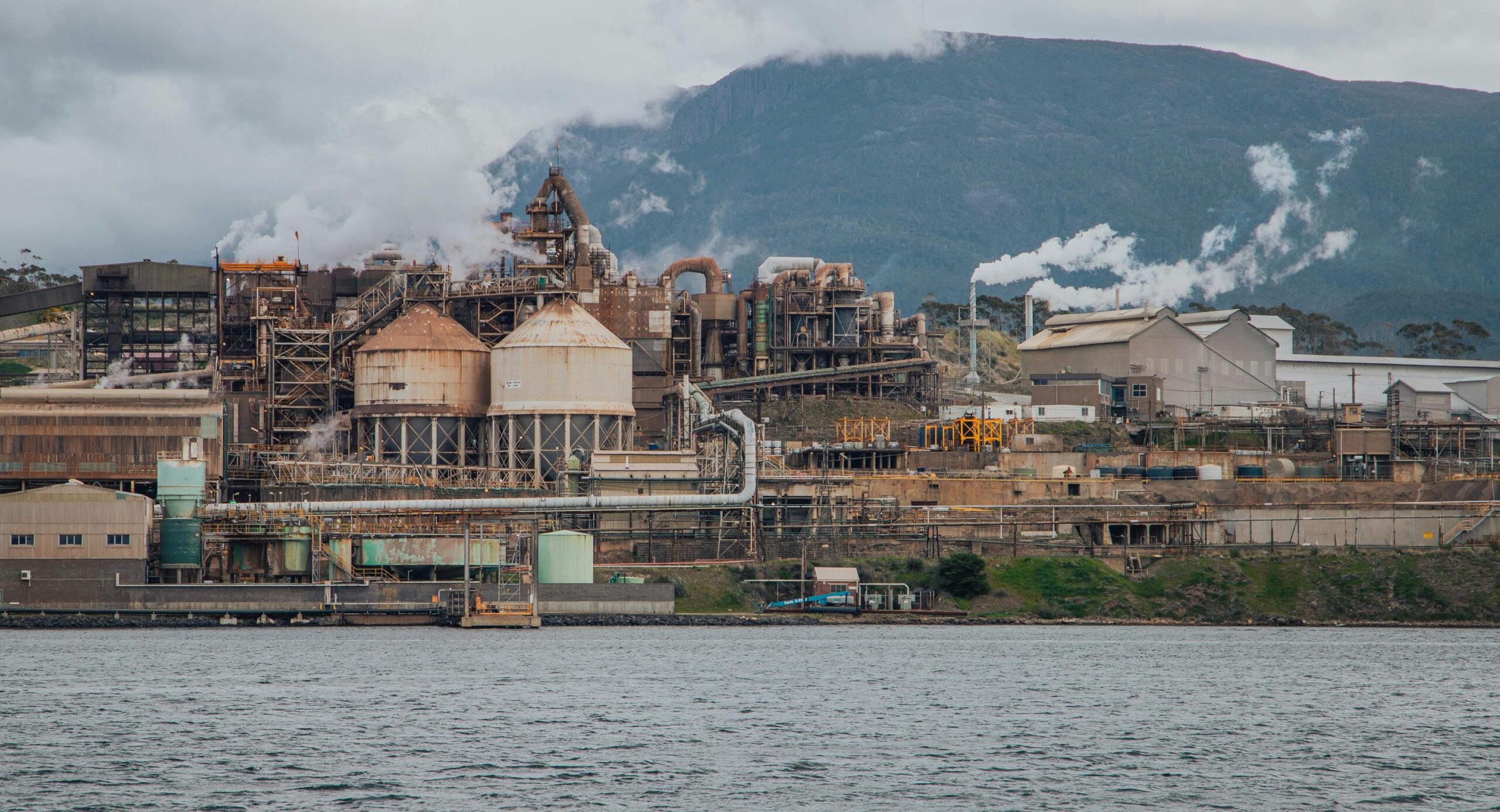
Cities around the world are experiencing unprecedented temperature increases, transforming urban landscapes into sweltering heat islands that challenge both human health and environmental sustainability.

🌡️ The Urban Heat Island Effect: More Than Just Concrete and Steel
When we walk through city streets on a scorching summer day, we immediately feel the difference between urban and rural temperatures. This phenomenon, known as the Urban Heat Island (UHI) effect, represents one of the most significant environmental challenges facing modern metropolitan areas. However, the factors driving this temperature rise extend far beyond the obvious culprits of asphalt and buildings.
Research indicates that urban areas can be anywhere from 1 to 7 degrees Celsius warmer than their surrounding rural counterparts, with some cities experiencing even greater temperature differentials during peak heat conditions. This dramatic variation isn’t merely uncomfortable—it’s a public health crisis that disproportionately affects vulnerable populations and strains urban infrastructure.
The Hidden Architecture of Heat Retention
While most people understand that concrete absorbs and radiates heat, the complex interplay of urban design elements creates a sophisticated heat trap that goes largely unnoticed. Building materials, street layouts, and the absence of natural cooling systems work in concert to amplify temperatures in ways that aren’t immediately apparent.
Material Composition and Thermal Mass
The thermal properties of urban construction materials play a crucial role in heat accumulation. Dark-colored surfaces, particularly black asphalt and tar roofing, absorb up to 90% of solar radiation. During daylight hours, these surfaces heat rapidly, and their high thermal mass allows them to store this energy, releasing it slowly throughout the night. This nocturnal heat release prevents cities from cooling down adequately, creating a continuous cycle of temperature elevation.
Modern glass facades, while aesthetically pleasing, contribute significantly to the heat trap phenomenon. These reflective surfaces redirect solar radiation to street level, creating additional heat sources that pedestrians and vehicles must contend with. The compounding effect of multiple reflective buildings in close proximity can create localized hot spots that exceed ambient temperatures by several degrees.
The Canyon Effect: How Street Design Traps Heat
Urban street canyons—narrow streets flanked by tall buildings—create unique microclimates that intensify heat retention. The geometry of these spaces limits air circulation and traps heat through multiple reflection and absorption cycles. Solar radiation bounces between building facades and pavement, with each interaction transferring more energy into the urban fabric.
This canyon effect becomes particularly pronounced in densely populated downtown areas where building heights significantly exceed street widths. The reduced sky view factor in these locations limits the escape of longwave radiation at night, maintaining elevated temperatures long after sunset.
🌳 The Disappearing Green Infrastructure
One of the most overlooked factors in urban temperature rise is the systematic removal of natural cooling systems. Trees, vegetation, and permeable surfaces once provided essential temperature regulation services that have been largely eliminated in the name of development and urbanization.
Evapotranspiration: Nature’s Air Conditioning
Vegetation provides cooling through evapotranspiration, a process where plants release water vapor into the atmosphere. This natural mechanism can reduce surrounding air temperatures by 2-5 degrees Celsius. A single mature tree can transpire hundreds of liters of water per day, providing the cooling equivalent of multiple air conditioning units.
The loss of urban forests and green spaces eliminates this critical cooling service. When cities replace parks with parking lots or remove street trees for infrastructure expansion, they inadvertently remove sophisticated biological cooling systems that operated continuously without energy input or maintenance costs.
Soil Sealing and Water Cycle Disruption
Impermeable surfaces covering urban soils prevent natural water infiltration and evaporation processes. In natural landscapes, soil moisture provides continuous evaporative cooling, moderating temperature extremes. Urban development typically seals 70-90% of surfaces, eliminating this cooling mechanism and forcing all precipitation into storm drains rather than allowing it to participate in local temperature regulation.
The Invisible Heat Sources Hiding in Plain Sight
Beyond passive heat absorption, cities generate enormous amounts of anthropogenic heat—waste heat produced by human activities. These sources operate continuously, adding thermal energy directly into the urban environment in ways that often escape public awareness.
Transportation Systems: Mobile Heat Generators
Vehicles represent mobile furnaces, with internal combustion engines converting only 20-30% of fuel energy into motion while releasing the remainder as waste heat. In congested urban areas, thousands of vehicles idling in traffic create concentrated heat sources that significantly elevate local temperatures.
Public transportation systems, while more efficient per passenger, also contribute substantial heat. Subway systems, in particular, generate enormous amounts of waste heat from braking, electrical resistance, and air conditioning systems that must be vented to the surface, warming street-level air in the process.
Building Climate Control: The Paradox of Cooling
Perhaps the most ironic contributor to urban heat is the widespread use of air conditioning. While these systems cool interior spaces, they function by transferring heat outdoors. In densely populated areas, millions of air conditioning units simultaneously exhaust warm air into already heated streets, creating a positive feedback loop where cooling demands generate additional heat that increases cooling demands further.
Commercial buildings, data centers, and industrial facilities compound this effect. Large cooling systems for server farms and manufacturing processes can raise local ambient temperatures by several degrees, particularly in areas with concentrated technological infrastructure.
🏗️ Modern Construction Practices and Heat Amplification
Contemporary building practices, while addressing various design and efficiency goals, often inadvertently exacerbate urban heat problems. The focus on maximizing rentable space and minimizing construction costs has produced building designs that prioritize interior comfort while ignoring external environmental impacts.
The Vertical Expansion Dilemma
As cities grow upward rather than outward, tall buildings create wind shadow effects that reduce air circulation at street level. Natural breezes that would otherwise provide convective cooling are blocked or redirected, leaving ground-level areas stagnant and hot. This reduction in airflow prevents the dispersion of accumulated heat and pollutants, creating uncomfortable and potentially dangerous conditions for pedestrians.
Reflective Coatings and Unintended Consequences
Energy-efficient building codes increasingly mandate reflective roofing materials to reduce cooling loads. While these materials benefit individual buildings by reflecting solar radiation rather than absorbing it, they can redirect that energy into neighboring structures and streets. In densely built environments, this creates complex patterns of reflected heat that may simply redistribute rather than eliminate thermal energy.
The Role of Urban Geometry and Spatial Planning
The physical layout of cities—how buildings, streets, and open spaces are arranged—fundamentally determines heat distribution and retention patterns. Poor spatial planning decisions made decades ago continue to amplify heat problems in contemporary urban environments.
Density Patterns and Heat Concentration
While urban density offers numerous sustainability benefits, including reduced transportation emissions and efficient resource use, it also concentrates heat sources in limited areas. High-density neighborhoods with minimal green space and maximum surface coverage create intense heat islands within the larger urban heat island, producing dangerous temperature gradients across relatively small distances.
Mixed-use development, when properly designed with adequate green infrastructure, can mitigate some heat impacts. However, many high-density areas prioritize building footprint over environmental amenities, resulting in concrete-dominated landscapes with minimal natural cooling capacity.
🌍 Climate Change: The Accelerating Multiplier
Global climate change acts as a threat multiplier, intensifying urban heat problems through multiple mechanisms. Rising baseline temperatures, altered precipitation patterns, and increased frequency of extreme heat events all compound existing urban heat island effects.
Feedback Loops and Cascading Effects
Warmer urban temperatures increase energy demand for cooling, which generates additional greenhouse gas emissions and waste heat, further warming the urban environment. This self-reinforcing cycle accelerates temperature rise beyond what climate models predict for surrounding rural areas.
Reduced precipitation associated with climate change in many regions eliminates soil moisture and reduces vegetation health, compromising the remaining natural cooling systems in urban areas. Drought-stressed trees provide less evaporative cooling, and dry soils offer no evaporative temperature regulation.
Population Density and Human Activity Patterns
The concentration of human activity in urban areas contributes heat through multiple pathways beyond obvious sources like vehicles and buildings. Human metabolism itself generates heat—approximately 100 watts per person at rest. In crowded urban areas with millions of residents, this biological heat production becomes significant.
Commercial Activity and Heat Generation
Restaurants, manufacturing facilities, and commercial kitchens release substantial amounts of heat through ventilation systems. In commercial districts, the concentration of these establishments creates localized hot zones that persist throughout business hours and beyond as equipment continues operating for cleaning and preparation.
Outdoor dining, street vendors, and commercial activities that take place in public spaces add heat directly to the urban environment rather than containing it within climate-controlled buildings. While these activities enhance urban vitality, they collectively contribute to elevated outdoor temperatures.
💡 Infrastructure Systems: The Underground Heat Network
Beneath city streets, extensive infrastructure networks generate and trap heat in ways that remain invisible to most urban residents. These subsurface systems represent significant but often overlooked contributors to urban temperature rise.
Utility Systems and Thermal Pollution
Steam pipes, electrical conduits, water mains, and sewer systems all transfer heat into surrounding soil and groundwater. In older cities with extensive underground infrastructure, this subsurface heat accumulation warms the ground beneath sidewalks and buildings, radiating upward to contribute to surface temperatures.
Underground parking garages and basement spaces require ventilation that exhausts warm air to the surface. In dense urban cores, multiple levels of underground development create substantial heat sources that few people recognize as contributors to street-level temperatures.
The Water Deficit: Missing Urban Hydrology
Historical urban development often involved eliminating natural water features—filling in wetlands, burying streams in culverts, and draining seasonal ponds. These actions removed important temperature-regulating water bodies that provided evaporative cooling and moderated local climate extremes.
The Absence of Blue Infrastructure
Water features provide disproportionate cooling benefits relative to their size. Open water bodies moderate temperatures through evaporation, thermal mass effects, and by supporting vegetation along their edges. Cities that eliminated these features in favor of development removed natural air conditioning systems that operated continuously without energy input.
Modern urban planning increasingly recognizes the value of blue infrastructure, but retrofitting water features into existing dense urban environments presents significant challenges and costs that limit implementation.
🔬 Emerging Research and Hidden Variables
Recent research continues to uncover previously unrecognized factors contributing to urban heat accumulation. Advanced sensing technologies and climate modeling reveal complex interactions between urban systems that amplify heat in unexpected ways.
Microplastic Surfaces and Heat Absorption
The proliferation of plastic materials in urban environments—from synthetic turf to plastic street furniture—may contribute to heat retention through their thermal properties. These materials often have high solar absorptivity and low thermal conductivity, trapping heat at the surface where it affects human thermal comfort most directly.
Light Pollution and Nocturnal Heat Effects
Extensive artificial lighting generates waste heat while also potentially interfering with natural cooling processes. The energy consumed by street lights, building illumination, and advertising displays converts largely to heat, adding to the urban thermal burden during nighttime hours when cooling should occur.

Moving Beyond Recognition Toward Solutions
Understanding the hidden factors driving urban temperature rise represents the essential first step toward developing effective mitigation strategies. Cities cannot address problems they don’t recognize, and the complex interplay of factors contributing to urban heat requires sophisticated, multi-faceted responses.
Successful heat mitigation demands integration across multiple urban systems—land use planning, building codes, transportation policy, and infrastructure investment must all align to address the various contributors to urban heat accumulation. Individual interventions targeting single factors will prove insufficient against the compound effects of multiple heat sources and retention mechanisms.
The challenge of urban heat represents both a crisis and an opportunity. Cities that successfully address this issue will become more livable, sustainable, and resilient in the face of continued climate change. Those that fail to recognize and respond to the full complexity of urban heat drivers will face increasing challenges to public health, economic productivity, and quality of life.
As urban populations continue growing globally, understanding and mitigating the hidden factors driving temperature rise becomes increasingly urgent. The heat trap that cities have inadvertently constructed through decades of development decisions can be dismantled through conscious, informed planning that prioritizes thermal comfort and environmental sustainability alongside traditional development goals. The future habitability of urban areas depends on our willingness to unveil these hidden heat factors and take comprehensive action to address them.