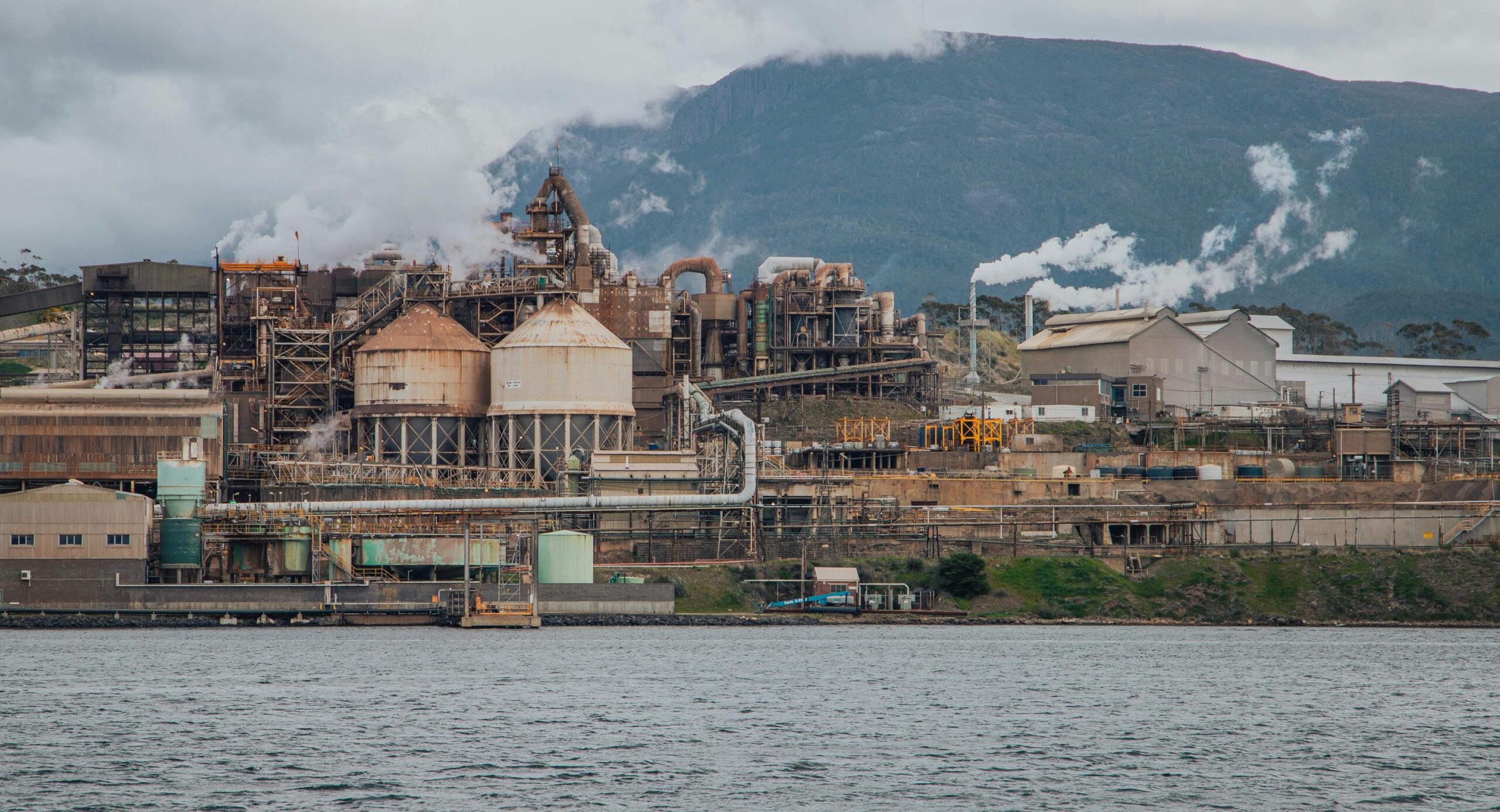
Environmental quality metrics are transforming how organizations measure, manage, and improve their sustainability performance in an increasingly climate-conscious world. 🌍

As businesses, governments, and individuals face mounting pressure to address environmental challenges, the need for reliable, actionable data has never been more critical. Environmental quality metrics provide the framework necessary to track progress, identify areas for improvement, and demonstrate accountability in sustainability efforts. These measurements serve as the foundation for evidence-based decision-making that drives real environmental impact.
The journey toward a greener future requires more than good intentions—it demands precise measurement tools that can quantify environmental performance across multiple dimensions. From carbon emissions and water quality to biodiversity indicators and resource consumption, environmental metrics offer the visibility needed to transform sustainability from an abstract concept into tangible outcomes.
Understanding the Foundation of Environmental Quality Metrics 📊
Environmental quality metrics encompass a broad spectrum of measurements designed to assess the state of our natural environment and the impact of human activities upon it. These indicators serve multiple purposes: they help organizations benchmark their current performance, set realistic improvement targets, comply with regulations, and communicate their environmental commitment to stakeholders.
At their core, these metrics translate complex environmental data into understandable, comparable figures that enable informed decision-making. They provide the quantitative evidence necessary to evaluate whether sustainability initiatives are delivering promised results or require strategic adjustments.
The most effective environmental metrics share several key characteristics: they are measurable, relevant to specific organizational goals, time-bound, scientifically valid, and comparable across different contexts. Without these qualities, metrics become mere numbers that fail to drive meaningful change.
The Evolution of Environmental Measurement Systems
Environmental measurement has evolved significantly over recent decades. Early approaches focused primarily on compliance-based monitoring—tracking pollutants to ensure regulatory standards were met. Today’s sophisticated systems incorporate predictive analytics, real-time monitoring, and integrated frameworks that consider environmental performance alongside economic and social factors.
This evolution reflects growing recognition that environmental sustainability cannot be isolated from broader business operations. Modern metrics increasingly incorporate lifecycle assessments, circular economy principles, and systems-thinking approaches that capture the interconnected nature of environmental impacts.
Key Categories of Environmental Quality Metrics That Matter 🌱
Effective environmental management requires tracking diverse indicators across multiple domains. Understanding these categories helps organizations develop comprehensive measurement strategies aligned with their specific contexts and objectives.
Carbon Footprint and Greenhouse Gas Emissions
Carbon metrics remain at the forefront of sustainability measurement, providing insight into an organization’s contribution to climate change. These measurements typically categorize emissions into three scopes: direct emissions from owned sources, indirect emissions from purchased energy, and all other indirect emissions occurring in the value chain.
Organizations track metrics such as total carbon dioxide equivalents, emissions intensity ratios, and carbon reduction percentages year-over-year. These figures enable companies to set science-based targets, participate in carbon markets, and demonstrate progress toward net-zero commitments.
Water Resource Management Indicators
Water metrics assess both consumption patterns and discharge quality. Key measurements include total water withdrawal, water consumption intensity, wastewater treatment effectiveness, and water recycling rates. Given increasing global water scarcity, these metrics help organizations identify opportunities for conservation and ensure responsible stewardship of this critical resource.
Advanced water metrics also consider contextual factors such as watershed stress levels and the availability of water resources in specific operational locations, providing nuanced understanding beyond simple volume measurements.
Air Quality and Pollution Measurements
Air quality metrics track various pollutants including particulate matter, nitrogen oxides, sulfur dioxide, volatile organic compounds, and other harmful emissions. These measurements protect public health, ensure regulatory compliance, and help organizations minimize their contribution to air pollution.
Real-time air quality monitoring technologies now enable continuous tracking and rapid response to potential issues, transforming air quality management from reactive to proactive.
Biodiversity and Ecosystem Health Indicators
Biodiversity metrics assess organizational impacts on natural habitats and species. These include measurements of land use change, habitat connectivity, species populations within operational areas, and ecosystem service valuations. As biodiversity loss accelerates globally, these metrics are gaining prominence in corporate sustainability frameworks.
Waste Management and Circular Economy Metrics
Waste metrics track generation, diversion, recycling, and disposal patterns. Key indicators include total waste generated, waste diversion rates, recycling percentages, and landfill contribution. Circular economy metrics extend this framework by measuring material reuse, product lifetime extension, and closed-loop system effectiveness.
Implementing Effective Environmental Measurement Systems 🔧
Establishing robust environmental quality metrics requires strategic planning, appropriate technology infrastructure, and organizational commitment. Successful implementation follows structured approaches that ensure data accuracy, consistency, and meaningful application.
Defining Clear Objectives and Boundaries
Before selecting specific metrics, organizations must clarify what they aim to achieve through environmental measurement. Are the goals focused on regulatory compliance, operational efficiency, stakeholder communication, or competitive advantage? Different objectives require different measurement approaches.
Establishing clear boundaries is equally important. Organizations must define which operations, facilities, and value chain activities fall within the measurement scope, ensuring consistency over time and comparability with industry benchmarks.
Selecting Appropriate Metrics and Standards
Numerous standardized frameworks provide guidance for environmental measurement, including the Global Reporting Initiative (GRI), Carbon Disclosure Project (CDP), Science Based Targets initiative (SBTi), and Task Force on Climate-related Financial Disclosures (TCFD). Aligning with recognized standards enhances credibility and facilitates comparison with peers.
The selection process should balance comprehensiveness with practicality, prioritizing metrics that provide actionable insights relevant to material environmental impacts.
Investing in Data Collection Infrastructure
Accurate measurement requires appropriate tools and systems. This may include:
- Automated sensors and monitoring equipment for real-time environmental data collection
- Environmental management software platforms that consolidate data from multiple sources
- Mobile applications enabling field staff to capture environmental observations
- Integration with enterprise resource planning systems for operational data
- Third-party verification services ensuring data accuracy and credibility
Technology investments should scale with organizational needs and maturity levels, starting with priority metrics before expanding to comprehensive systems.
Building Organizational Capacity and Engagement
Successful environmental measurement requires more than technology—it demands human expertise and engagement. Organizations should invest in training staff on data collection protocols, metric interpretation, and the connection between measurements and sustainability goals.
Creating accountability mechanisms ensures that environmental metrics inform decision-making at all organizational levels, from frontline operations to executive strategy.
Leveraging Metrics to Drive Sustainable Business Transformation 💡
The true value of environmental quality metrics lies not in measurement itself, but in how organizations use this information to catalyze meaningful change. Leading companies transform data into action through systematic approaches that embed environmental performance into core business processes.
Setting Ambitious Yet Achievable Targets
Baseline measurements enable organizations to establish targets that balance ambition with realism. Science-based targets, for example, use climate science to determine emission reduction pathways consistent with limiting global temperature rise. These targets provide clear direction while ensuring environmental commitments align with planetary boundaries.
Effective target-setting also incorporates interim milestones that maintain momentum and enable course corrections as circumstances evolve.
Identifying Improvement Opportunities
Detailed environmental metrics reveal specific areas where performance lags or opportunities for efficiency gains exist. Energy consumption data might identify facilities with unusually high usage, prompting targeted efficiency upgrades. Water metrics might highlight processes where recycling could reduce freshwater withdrawal.
This granular visibility enables prioritization of improvement initiatives based on potential impact, implementation feasibility, and return on investment.
Integrating Environmental Performance into Decision-Making
Forward-thinking organizations incorporate environmental metrics into capital allocation decisions, supplier selection criteria, product design processes, and performance evaluations. This integration ensures sustainability considerations receive appropriate weight alongside traditional financial and operational factors.
When environmental performance influences compensation structures and career advancement, it signals organizational seriousness and drives behavioral change throughout the workforce.
Communicating Environmental Performance to Stakeholders 📢
Environmental quality metrics serve as the foundation for credible sustainability communication. Investors, customers, employees, regulators, and communities increasingly demand transparent reporting on environmental performance backed by verifiable data.
Transparency and Authenticity in Reporting
Stakeholders have become sophisticated consumers of sustainability information, capable of distinguishing genuine progress from superficial greenwashing. Effective communication acknowledges both achievements and remaining challenges, providing context that helps audiences understand the significance of reported metrics.
Third-party verification and alignment with recognized reporting standards enhance credibility and build trust with skeptical audiences.
Storytelling with Data
While precise metrics provide necessary rigor, effective communication also translates numbers into compelling narratives that resonate with diverse audiences. Contextualizing a 25% carbon reduction within the framework of equivalent cars removed from roads or homes powered makes abstract figures tangible and meaningful.
Visual representations including infographics, dashboards, and interactive tools help audiences quickly grasp key messages and trends within complex environmental data.
Overcoming Common Implementation Challenges 🚧
Despite their value, organizations frequently encounter obstacles when implementing environmental quality metrics. Recognizing and addressing these challenges proactively increases the likelihood of successful measurement programs.
Data Quality and Availability Issues
Many organizations struggle with incomplete, inconsistent, or inaccurate environmental data, particularly when attempting to measure value chain impacts beyond direct operational control. Addressing these gaps requires investment in data collection systems, clear protocols, and supplier engagement strategies.
Starting with available data while systematically improving coverage over time represents a pragmatic approach that delivers value without waiting for perfect information.
Resource Constraints
Comprehensive environmental measurement requires financial and human resources that may seem prohibitive, especially for smaller organizations. Prioritizing metrics with the greatest impact, leveraging existing data sources, and gradually expanding measurement scope enables progress within budget constraints.
Many free or low-cost tools and frameworks exist to support environmental measurement, reducing barriers to entry for resource-limited organizations.
Maintaining Momentum and Relevance
Environmental measurement programs risk becoming routine exercises disconnected from strategic decision-making. Regular reviews ensuring metrics remain aligned with evolving business priorities, stakeholder expectations, and scientific understanding help maintain relevance and engagement.
Celebrating successes and learning from setbacks keeps teams motivated and reinforces the connection between measurement activities and meaningful environmental outcomes.
Emerging Trends Shaping the Future of Environmental Metrics 🚀
The field of environmental measurement continues evolving rapidly, driven by technological innovation, regulatory developments, and increasing societal expectations. Understanding emerging trends helps organizations future-proof their measurement approaches.
Artificial Intelligence and Advanced Analytics
Machine learning algorithms are transforming environmental data analysis, identifying patterns invisible to human observers and enabling predictive insights that anticipate future impacts. AI-powered systems can optimize resource consumption in real-time, detect anomalies indicating potential environmental incidents, and forecast the effectiveness of proposed interventions.
Satellite and Remote Sensing Technologies
Space-based observation systems provide unprecedented visibility into environmental conditions across vast geographic areas. These technologies enable monitoring of deforestation, agricultural practices, water resources, and emissions with frequency and coverage impossible through ground-based methods alone.
Blockchain for Transparency and Traceability
Distributed ledger technologies offer potential solutions to value chain transparency challenges, creating immutable records of environmental performance throughout product lifecycles. This enhanced traceability supports credible sustainability claims and enables consumers to make informed purchasing decisions.
Integration of Social and Governance Dimensions
Environmental metrics increasingly connect with social and governance factors within comprehensive ESG frameworks. This integration recognizes that environmental sustainability intersects with human rights, community well-being, and ethical governance practices, requiring holistic measurement approaches.

Building Momentum Toward a Sustainable Future Through Better Measurement 🌟
Environmental quality metrics represent far more than technical measurements—they embody our collective commitment to environmental stewardship and intergenerational responsibility. As climate change, biodiversity loss, and resource depletion intensify, the ability to accurately measure environmental performance becomes increasingly critical for effective response.
Organizations that embrace rigorous environmental measurement position themselves advantageously for a future where sustainability performance influences competitiveness, attracts capital, and determines social license to operate. The transparency and accountability enabled by quality metrics build stakeholder trust while driving continuous improvement.
Yet metrics alone cannot solve environmental challenges. They must inspire action, inform strategy, and catalyze the fundamental transformations necessary to build truly sustainable systems. When implemented thoughtfully and used strategically, environmental quality metrics become powerful tools that translate sustainability aspirations into measurable progress.
The path forward requires collective effort spanning governments, businesses, civil society, and individuals. By unlocking the power of environmental quality metrics, we equip ourselves with the visibility, insights, and accountability mechanisms essential for driving meaningful change. The data we collect today informs the decisions that shape tomorrow’s environmental legacy.
As we continue advancing measurement capabilities through technological innovation and methodological refinement, we simultaneously deepen our understanding of environmental systems and our impacts upon them. This knowledge empowers more effective interventions, more efficient resource use, and more resilient systems capable of supporting both human prosperity and planetary health.
The transition to a greener future is neither simple nor guaranteed, but environmental quality metrics provide the navigational tools necessary for this essential journey. By measuring what matters, tracking our progress, and adjusting our course based on evidence, we move from aspirational sustainability goals toward demonstrated environmental stewardship. The metrics we establish today create the accountability framework that ensures commitments translate into action and promises become reality. 🌏