Mixed-use developments are revolutionizing how we experience cities, blending residential, commercial, and recreational spaces into cohesive urban ecosystems that foster connection and convenience.

🏙️ The Renaissance of Urban Planning Through Mixed-Use Design
The landscape of urban development has undergone a remarkable transformation over the past two decades. Gone are the days when cities were carved into distinct zones—residential neighborhoods separated from commercial districts, office parks isolated from entertainment venues. Today’s urban planners and developers are embracing a holistic approach that recognizes the intrinsic value of diversity and integration in creating thriving communities.
Mixed-use developments represent more than just an architectural trend; they embody a fundamental shift in how we conceptualize urban living. These multifaceted spaces combine residential units with retail stores, offices, restaurants, entertainment venues, and green spaces within walking distance of each other. This integration creates a symbiotic relationship between different urban functions, resulting in neighborhoods that pulse with activity throughout the day and night.
The appeal of mixed-use developments extends beyond mere convenience. They address some of the most pressing challenges facing modern cities: traffic congestion, environmental sustainability, social isolation, and economic vitality. By reducing dependence on automobiles and creating spaces where people naturally interact, these developments are reshaping the social fabric of urban communities.
Breaking Down the Components of Successful Mixed-Use Spaces
Understanding what makes a mixed-use development truly transformative requires examining its core components. These aren’t simply buildings with different uses stacked vertically or placed side by side; they’re carefully orchestrated ecosystems where each element enhances the others.
Residential Elements That Define Modern Living
The residential component of mixed-use developments has evolved significantly from traditional apartment complexes. Modern units often feature flexible floor plans, smart home technology, and access to shared amenities that would be impossible in standalone buildings. Residents enjoy the luxury of stepping out their door into vibrant streetscapes filled with cafes, shops, and services.
These residential spaces cater to diverse demographics—from young professionals seeking urban excitement to families desiring walkable neighborhoods, and retirees looking for maintenance-free living with built-in social opportunities. The variety of housing options within a single development creates economic diversity and strengthens community bonds.
Commercial Vitality and Economic Sustainability
The commercial aspects of mixed-use developments serve multiple purposes. Ground-floor retail creates active street frontages that enhance safety and vibrancy. Local businesses benefit from a built-in customer base of residents and workers, while residents enjoy unprecedented convenience. Office spaces positioned within these developments reduce commute times for some residents and attract additional foot traffic that supports local businesses.
This commercial integration also provides economic resilience. Unlike single-use developments that can become ghost towns outside business hours, mixed-use spaces maintain activity across different times of day, supporting diverse business models from breakfast cafes to evening entertainment venues.
🌱 Environmental Impact and Sustainable Urban Solutions
Perhaps no aspect of mixed-use developments is more critical in today’s world than their environmental implications. These projects represent a powerful tool in the fight against climate change and urban sprawl.
By consolidating multiple functions within compact footprints, mixed-use developments dramatically reduce the need for automobile travel. Residents can walk to work, shop for groceries, grab dinner, and attend entertainment events without ever starting their cars. This reduction in vehicle miles traveled translates directly into lower carbon emissions, improved air quality, and decreased pressure on transportation infrastructure.
Modern mixed-use developments increasingly incorporate green building technologies and sustainable design principles. Green roofs, solar panels, rainwater harvesting systems, and energy-efficient building systems are becoming standard features. Many developments also include electric vehicle charging stations and bike-sharing facilities, further supporting low-carbon transportation options.
The vertical integration of uses also promotes efficient land use, preserving green spaces and agricultural land outside urban boundaries. This density, when properly designed with ample green space and pedestrian amenities, creates vibrant urban environments without sacrificing quality of life.
The Social Dynamics of Integrated Communities
Beyond the physical infrastructure, mixed-use developments catalyze profound social changes in how people interact and build community. The spontaneous encounters that occur when residents bump into neighbors at the local coffee shop or recognize familiar faces at the grocery store create social capital that’s increasingly rare in automobile-dependent suburbs.
Fostering Authentic Community Connections
The design of mixed-use spaces naturally encourages interaction. Shared courtyards, pedestrian plazas, and community gathering spaces provide venues for both planned events and casual encounters. This physical proximity doesn’t automatically create community, but it provides the foundation upon which relationships can develop organically.
Research consistently shows that people who live in walkable, mixed-use neighborhoods report higher levels of social interaction and community satisfaction. They’re more likely to know their neighbors, participate in local activities, and feel a sense of belonging to their community.
Diversity and Inclusion in Urban Spaces
Well-designed mixed-use developments attract diverse populations in terms of age, income, profession, and lifestyle. This diversity enriches community life, exposing residents to different perspectives and experiences. Children grow up in environments where they regularly interact with people from various backgrounds, elderly residents remain engaged with vibrant community life, and professionals from different industries cross-pollinate ideas.
However, developers and planners must be intentional about maintaining affordability and preventing gentrification. Inclusive mixed-use developments incorporate housing at various price points, ensuring economic diversity remains part of the community fabric.
🏗️ Design Principles That Make the Difference
Not all mixed-use developments successfully transform communities. The difference between mediocre projects and truly transformative ones lies in thoughtful design that prioritizes the human experience.
Human-Scale Architecture and Walkability
Successful developments emphasize pedestrian-friendly design. Wide sidewalks, street trees, varied building facades, and careful attention to ground-floor details create environments where people feel comfortable and engaged. Buildings that relate to human scale—with varied heights, interesting textures, and active street frontages—create more inviting spaces than monolithic structures.
Walkability extends beyond sidewalk width. It encompasses safety measures like good lighting and natural surveillance, comfort features like weather protection and seating, and interest factors including public art, window shopping opportunities, and architectural variety.
Strategic Programming of Public Spaces
The public realm in mixed-use developments serves as the living room of the community. Plazas, parks, and streets must be designed to accommodate diverse activities—from farmers’ markets and outdoor concerts to children’s play and quiet contemplation. Flexible spaces that can adapt to different uses throughout the day and year maximize value and engagement.
Successful developments also consider the “third places”—spaces that aren’t home or work but serve as community anchors. Coffee shops, community centers, libraries, and gathering spaces provide neutral ground where community members can interact freely.
Economic Advantages for Cities and Residents Alike
The economic case for mixed-use development extends beyond individual projects to benefit entire cities and metropolitan regions. These developments typically generate higher property tax revenues per acre than single-use developments while requiring less infrastructure investment per resident served.
For residents, the financial benefits include reduced transportation costs—one of the largest household expenses after housing. When people can walk or bike for daily needs, they save thousands of dollars annually on vehicle ownership, maintenance, and fuel. Time savings from shorter commutes translate into more hours for work, leisure, or family time.
Local businesses in mixed-use developments often thrive due to consistent foot traffic throughout the day. This economic vitality creates employment opportunities close to home and strengthens local economies by keeping spending within the community.
🚀 Technology Integration in Modern Mixed-Use Developments
Contemporary mixed-use developments increasingly leverage technology to enhance resident experiences and operational efficiency. Smart building systems optimize energy use, security, and comfort. High-speed internet infrastructure supports remote work, enabling residents to seamlessly transition between home and office environments.
Digital platforms facilitate community engagement, enabling residents to book shared amenities, participate in community decisions, and stay informed about neighborhood events. Some developments incorporate app-based services that connect residents with local businesses, creating digital ecosystems that complement the physical environment.
These technological layers don’t replace human interaction but enhance it, making community participation more accessible and convenient while maintaining the personal connections that define successful neighborhoods.
Challenges and Considerations in Development
Despite their many advantages, mixed-use developments face significant challenges. Financing can be complex, as traditional lenders often prefer single-use projects with predictable returns. Zoning regulations in many cities still reflect outdated thinking that separates uses rather than integrating them.
Coordination among multiple stakeholders—residential managers, commercial tenants, retail operators, and municipal authorities—requires sophisticated management approaches. Balancing the needs of residents seeking quiet residential environments with the vitality of commercial and entertainment uses demands careful design and ongoing management.
Parking remains a contentious issue. While mixed-use developments aim to reduce automobile dependence, many residents and businesses still require parking. Innovative solutions include shared parking arrangements, where spaces serve different users at different times, and unbundled parking, where residents choose whether to purchase parking separately from their units.
Case Studies: Mixed-Use Success Stories Around the World
Examining successful mixed-use developments provides valuable lessons for future projects. Vancouver’s False Creek neighborhood transformed industrial waterfront into a thriving mixed-use community with stunning public spaces and sustainable design. Copenhagen’s Ørestad demonstrates how transit-oriented mixed-use development can reduce car dependence while creating distinctive urban character.
In the United States, projects like Seattle’s South Lake Union and Denver’s Union Station neighborhood show how mixed-use development can catalyze broader urban revitalization. These projects didn’t just transform individual sites but sparked investment and improvement throughout surrounding areas.
Each successful project shares common elements: strong connections to transit and pedestrian networks, thoughtful public space design, diverse mix of uses and housing types, and commitment to quality architecture and placemaking.
🌟 The Future of Urban Living Through Mixed-Use Innovation
Looking forward, mixed-use developments will continue evolving to address emerging needs and opportunities. Climate adaptation will become increasingly important, with developments incorporating resilient design features like flood protection, heat mitigation, and renewable energy systems.
The rise of remote work is reshaping how we think about mixed-use spaces. Future developments may include more co-working facilities, flexible spaces that transition between uses, and designs that better accommodate home-based work while maintaining work-life boundaries.
Health and wellness considerations are driving new amenities and design features. Developments increasingly incorporate fitness facilities, healthy food options, outdoor recreation opportunities, and biophilic design elements that connect people with nature.
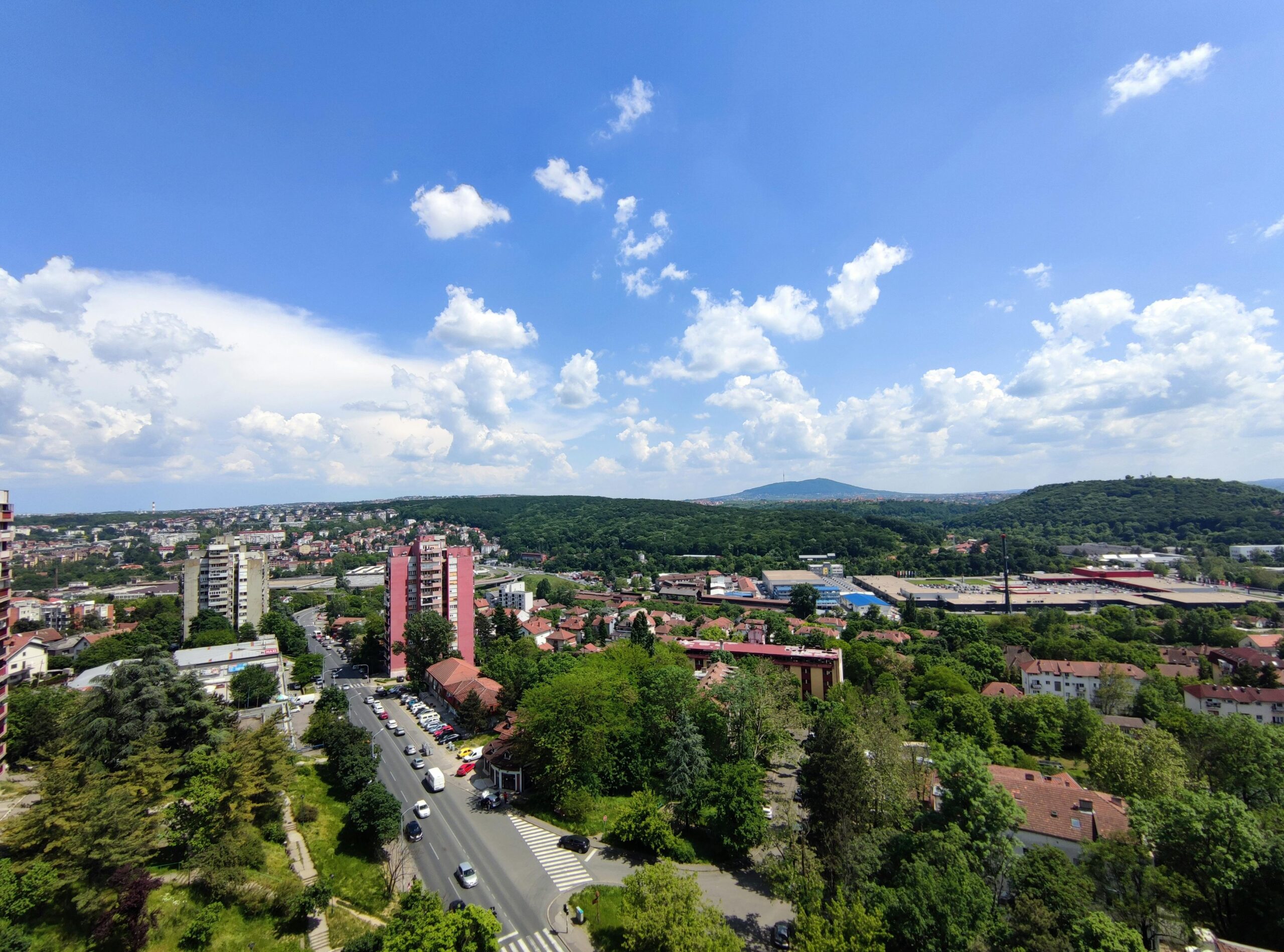
Creating Lasting Value Through Integrated Communities
The true measure of successful mixed-use development isn’t found in architecture awards or initial sales figures but in the vibrant, sustainable communities they create over time. These developments succeed when they become beloved neighborhoods where people choose to live, work, and play across decades.
As cities worldwide face pressure to accommodate growing populations while addressing climate change, social inequality, and quality of life concerns, mixed-use development offers a proven path forward. By creating dense, diverse, walkable neighborhoods with strong social connections and environmental sustainability, these developments demonstrate that urban living can be both dynamic and humane.
The transformation of communities through mixed-use development represents more than a planning strategy—it’s a reimagining of urban life itself. As more cities embrace this approach, we’re witnessing the emergence of a new urban paradigm where convenience, sustainability, community, and vitality converge to create places people truly love to call home. The future of cities lies not in separation and sprawl but in integration and connection, and mixed-use developments are leading the way toward that brighter urban future.