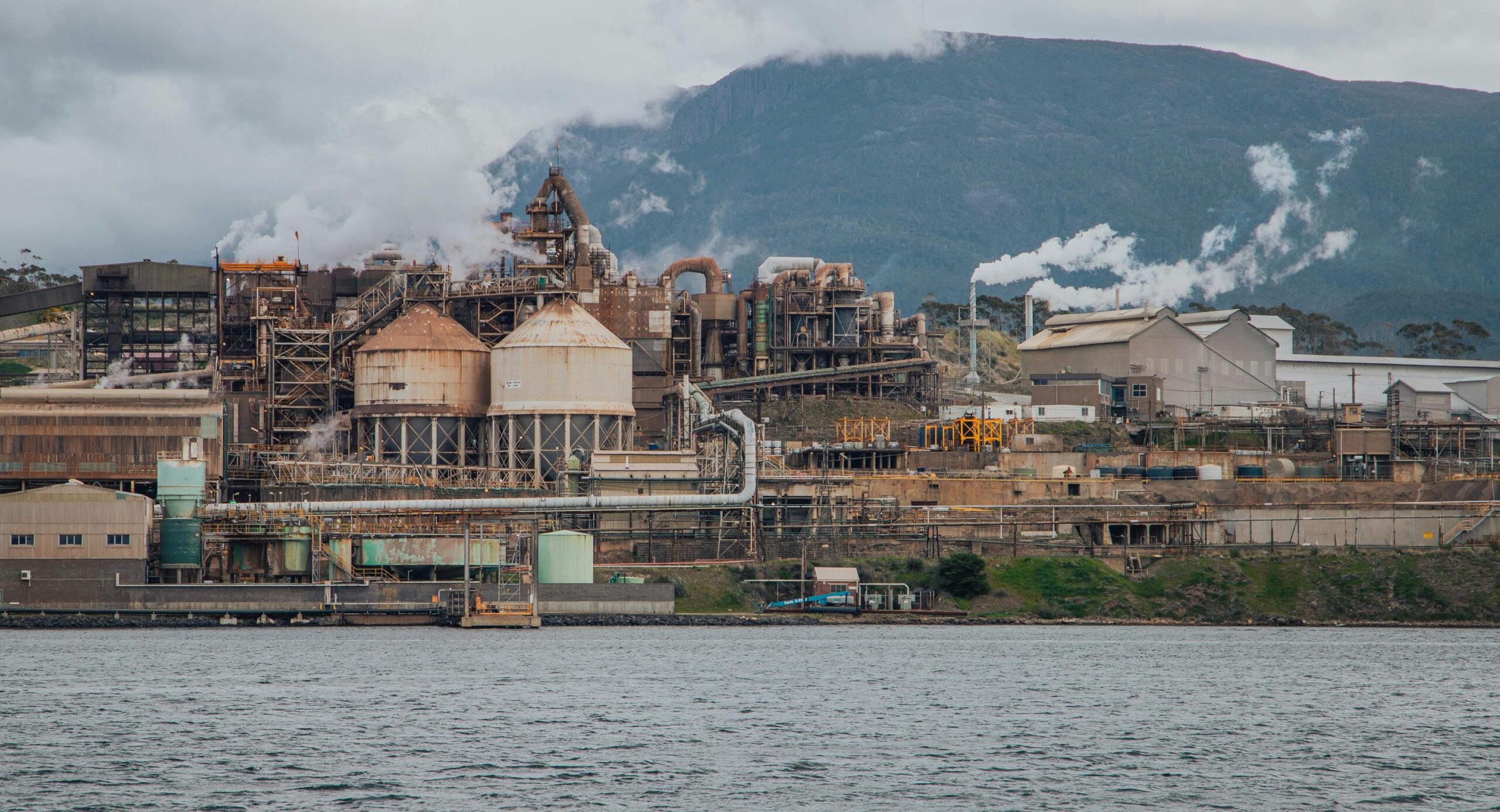
Resource depletion threatens our planet’s future, demanding urgent action and innovative valuation methods to ensure sustainability for generations to come.

The world faces an unprecedented challenge as natural resources diminish at alarming rates while global demand continues to surge. Traditional economic models often fail to capture the true cost of resource extraction and consumption, leading to unsustainable practices that compromise environmental integrity and social well-being. Understanding the genuine worth of our natural capital requires a fundamental shift in how we measure, value, and manage Earth’s finite resources.
🌍 The Hidden Cost of Progress: Understanding Resource Depletion
Resource depletion extends far beyond the simple exhaustion of materials. It encompasses the degradation of ecosystems, loss of biodiversity, and disruption of natural cycles that sustain life on Earth. From fossil fuels and minerals to freshwater and fertile soil, humanity’s consumption patterns have accelerated dramatically since the Industrial Revolution, with the pace intensifying exponentially in recent decades.
Current estimates suggest that humanity consumes approximately 1.75 Earths worth of resources annually, a deficit maintained only by depleting natural capital accumulated over millennia. This ecological overshoot manifests in deforestation, ocean acidification, groundwater depletion, and the accumulation of waste in ecosystems worldwide. The consequences ripple through economies and societies, creating vulnerabilities that threaten stability and prosperity.
Traditional GDP accounting treats natural resource extraction as income rather than capital depletion, creating perverse incentives that reward unsustainable practices. A country could theoretically liquidate all its forests, deplete its fisheries, and exhaust its mineral reserves while appearing to experience robust economic growth in conventional metrics. This fundamental accounting flaw obscures the true cost of development and masks environmental degradation until crisis points emerge.
💡 Rethinking Value: Natural Capital Accounting Frameworks
Natural capital accounting represents a transformative approach to measuring wealth that incorporates environmental assets into economic calculations. This methodology recognizes that forests, wetlands, oceans, and mineral deposits constitute capital stocks that provide valuable services and should be managed accordingly. By quantifying ecosystem services and resource stocks, natural capital accounting reveals the genuine economic impact of environmental degradation.
The System of Environmental-Economic Accounting (SEEA), adopted by the United Nations Statistical Commission, provides standardized frameworks for integrating environmental and economic data. Countries implementing SEEA approaches gain clearer insights into resource dependencies, environmental risks, and sustainability trajectories. These accounting systems enable policymakers to make informed decisions that balance economic development with environmental preservation.
Natural capital valuation encompasses multiple dimensions, including provisioning services like food and water, regulating services such as climate stabilization and flood control, and cultural services including recreation and spiritual value. Monetary valuation techniques, while imperfect, help communicate environmental importance in language that resonates within economic and political systems. However, some environmental values transcend monetary measurement, requiring ethical frameworks that recognize intrinsic worth beyond human utility.
Key Components of Natural Capital Assessment
Effective natural capital accounting requires comprehensive assessment across multiple domains. Physical accounting tracks resource stocks and flows, measuring quantities of water, timber, minerals, and biological resources. Environmental quality accounts monitor pollution levels, habitat integrity, and ecosystem health indicators. Monetary accounts assign economic values to environmental assets and degradation costs, enabling integration with traditional economic metrics.
Technology plays an increasingly vital role in natural capital assessment. Satellite imagery, remote sensing, and artificial intelligence enable continuous monitoring of forest cover, water bodies, agricultural lands, and urban expansion. Sensor networks track air and water quality in real-time, providing data streams that inform adaptive management strategies. Blockchain technology offers potential for transparent tracking of resource extraction and supply chains, reducing illegal exploitation and fraud.
🔄 Circular Economy: Designing Out Depletion
The circular economy paradigm represents a fundamental reimagining of production and consumption systems. Rather than the linear “take-make-dispose” model that drives resource depletion, circular approaches design products and systems for longevity, reuse, remanufacturing, and recycling. This transition reduces primary resource demand while creating economic opportunities in repair, refurbishment, and materials recovery sectors.
Successful circular economy implementation requires systemic changes across design, manufacturing, distribution, consumption, and waste management. Product designers consider entire lifecycles, selecting materials for durability and recyclability while minimizing toxic substances. Manufacturers establish take-back programs and design for disassembly, facilitating component recovery. Business models shift from selling products to providing services, aligning commercial interests with resource efficiency.
Several industries demonstrate circular economy potential. The electronics sector faces particular challenges due to rapid obsolescence and complex material compositions, yet initiatives like modular smartphones and certified refurbishment programs show promise. The fashion industry, notorious for resource intensity and waste generation, experiments with rental models, recycled fibers, and closed-loop production systems. Construction increasingly embraces material passports and design for deconstruction, enabling building components to enter new use cycles.
Barriers and Enablers for Circular Transition
Despite compelling advantages, circular economy adoption faces significant obstacles. Existing infrastructure, regulations, and consumer expectations evolved within linear paradigms, creating lock-in effects that resist transformation. Initial investment costs for circular systems may exceed linear alternatives, particularly when environmental externalities remain unpriced. Coordination challenges across supply chains complicate implementation, especially for complex products involving multiple manufacturers.
Policy interventions can accelerate circular transitions through multiple mechanisms. Extended producer responsibility legislation shifts end-of-life costs to manufacturers, incentivizing durable and recyclable design. Public procurement policies favoring circular products create market demand and demonstrate government commitment. Tax reforms that reduce labor costs while increasing resource taxes improve circular business model competitiveness. Standards and certifications help consumers identify genuinely circular products amid greenwashing claims.
⚖️ True Cost Accounting: Pricing Environmental Externalities
Environmental externalities—costs imposed on society and ecosystems by economic activities but not reflected in market prices—constitute a primary driver of resource depletion. When businesses can pollute or deplete resources without bearing full costs, market mechanisms fail to allocate resources efficiently. True cost accounting methodologies seek to internalize these externalities, aligning private incentives with social and environmental welfare.
Carbon pricing mechanisms, including carbon taxes and cap-and-trade systems, represent the most prominent externality pricing approach. By attaching costs to greenhouse gas emissions, these policies incentivize efficiency improvements, renewable energy adoption, and low-carbon innovation. Revenue generated can fund clean technology investments, compensate affected communities, or reduce other taxes. While implementation varies widely in ambition and effectiveness, evidence suggests well-designed carbon pricing reduces emissions while supporting economic growth.
Beyond carbon, numerous environmental externalities warrant pricing mechanisms. Water extraction charges reflect scarcity and ecosystem maintenance costs, discouraging waste while funding conservation. Extraction taxes on minerals and fossil fuels capture resource depletion costs and reduce exploitation rates. Pollution charges for air contaminants, water effluents, and hazardous substances drive cleaner production methods. Biodiversity offsets require developers to compensate for habitat destruction, though effectiveness depends heavily on implementation quality.
Overcoming Political and Implementation Challenges
Environmental pricing policies frequently encounter fierce political opposition from affected industries and concerns about competitiveness and equity. Industries dependent on cheap resource access mobilize against reforms, arguing that costs would destroy jobs and drive production to jurisdictions with laxer standards. These concerns, while sometimes exaggerated, require thoughtful policy design that phases in changes gradually, provides transition support, and implements border adjustments to protect domestic industries.
Equity considerations prove equally important. Environmental pricing can disproportionately burden lower-income households that spend larger budget shares on energy, transportation, and goods. Progressive policy design addresses these concerns through revenue recycling that provides direct payments to households, reduces regressive taxes, or funds programs benefiting disadvantaged communities. Transparency regarding revenue use builds public trust and political sustainability for environmental pricing mechanisms.
🌱 Regenerative Approaches: Moving Beyond Sustainability
While sustainability seeks to maintain current conditions, regenerative approaches aim to actively restore and enhance ecosystem health. This ambitious paradigm recognizes that many ecosystems already suffer severe degradation requiring restoration rather than mere preservation. Regenerative agriculture, forestry, and marine management demonstrate that human activities can rebuild natural capital while meeting human needs.
Regenerative agriculture employs practices that enhance soil health, increase biodiversity, and sequester carbon while producing food. Techniques include diverse crop rotations, cover cropping, reduced tillage, and integration of livestock with crop production. These methods improve soil structure and fertility, increase water retention, and reduce dependence on synthetic inputs. Long-term studies demonstrate that regenerative farms can match or exceed conventional yields while providing superior environmental outcomes.
Forest landscape restoration initiatives worldwide demonstrate regenerative potential at large scales. Rather than simply planting trees, sophisticated restoration considers ecosystem complexity, native species requirements, and community livelihoods. Successful programs engage local populations as restoration partners and beneficiaries, creating economic incentives aligned with conservation. Monitoring technology tracks restoration progress, adaptive management responds to challenges, and payment for ecosystem services mechanisms provide sustained funding.
🤝 Collaborative Governance: Managing Common Pool Resources
Many critical resources—fisheries, forests, water bodies, and grazing lands—exist as common pool resources that no single entity controls. Without effective governance, these resources often suffer degradation through overexploitation, the famous “tragedy of the commons.” However, research by Nobel laureate Elinor Ostrom demonstrated that communities can successfully manage commons through locally adapted institutions when certain conditions exist.
Successful commons governance typically features clearly defined resource boundaries and user groups, participatory rule-making processes, monitoring systems, graduated sanctions for violations, conflict resolution mechanisms, and recognition by external authorities. These principles apply across diverse contexts, from small-scale fishing communities to transboundary water basins. Technology enhances commons governance through improved monitoring, transparent information sharing, and reduced coordination costs.
Marine protected areas exemplify collaborative governance at multiple scales. Effective MPAs involve fishing communities, conservation organizations, scientists, and government agencies in design and management. Zoning approaches balance conservation with sustainable use, protecting critical habitats while allowing compatible activities. Networks of MPAs provide connectivity for migratory species while building resilience against climate change impacts. Evidence increasingly demonstrates that well-designed MPAs benefit both biodiversity and fisheries productivity.
📊 Technology and Innovation: Tools for Resource Intelligence
Technological innovation offers powerful tools for understanding and addressing resource depletion. Earth observation satellites provide unprecedented visibility into environmental changes, tracking deforestation, ice melt, urban expansion, and agricultural intensification globally. Machine learning algorithms process vast data streams, identifying patterns, predicting trends, and detecting illegal activities like unauthorized logging or fishing.
Digital platforms enable transparency and traceability throughout supply chains. Blockchain-based systems track commodities from extraction through processing to final products, verifying sustainability claims and reducing fraud. DNA barcoding authenticates timber species and seafood products, combating illegal trade in protected resources. Consumer-facing applications provide product environmental footprints, empowering informed purchasing decisions.
Material science innovations reduce resource demands through superior performance materials. High-strength alloys enable lighter vehicles that consume less fuel while maintaining safety. Advanced insulation materials dramatically reduce building energy requirements. Biodegradable and compostable materials replace persistent plastics in appropriate applications. Nanotechnology enables precision delivery of agricultural inputs, reducing overall chemical use while maintaining productivity.
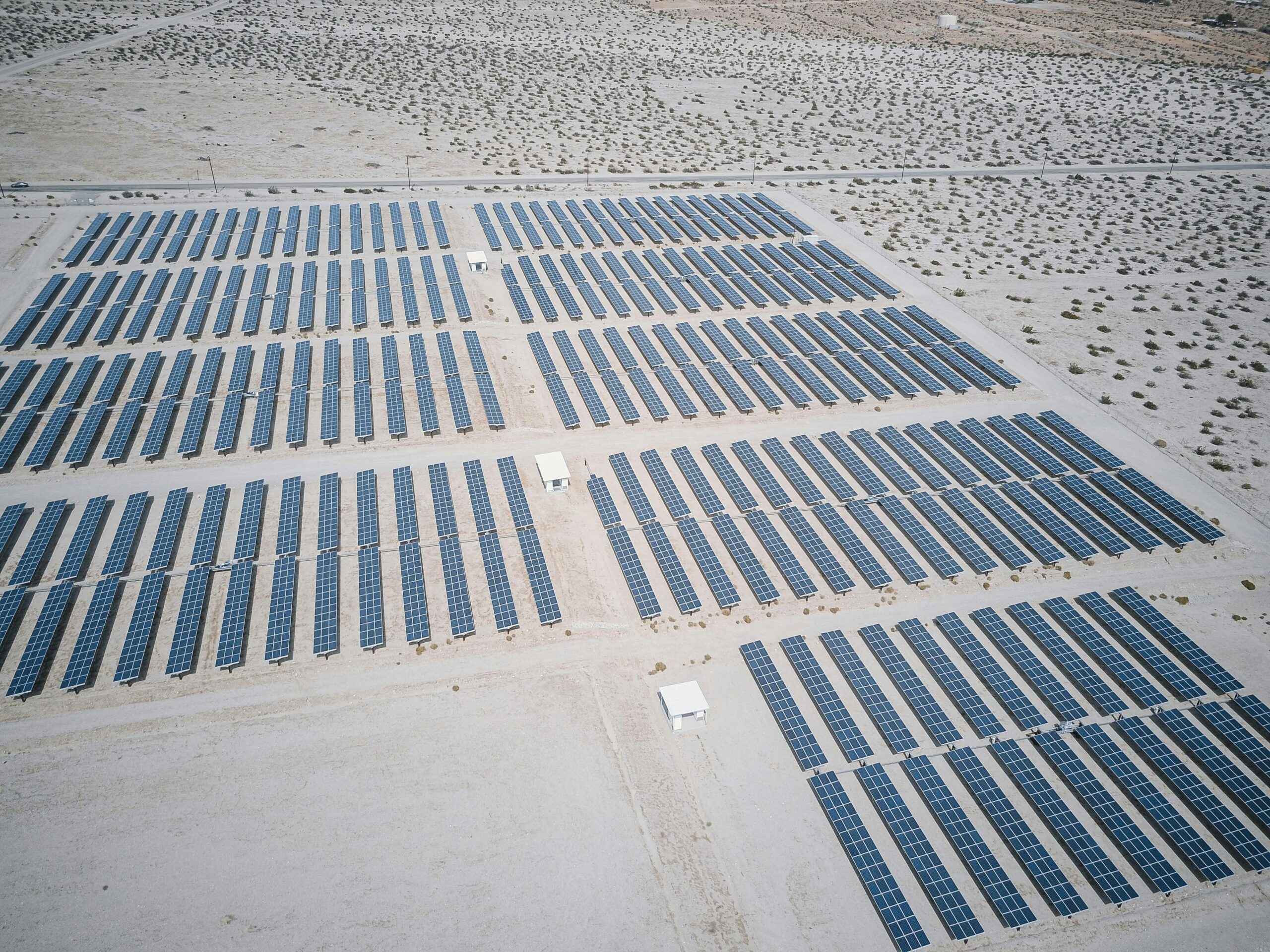
🎯 Pathways Forward: Integrating Innovation for Systemic Change
Addressing resource depletion requires integrating diverse innovations into coherent systemic transformation. No single solution suffices; rather, complementary approaches across accounting, design, pricing, restoration, governance, and technology must combine synergistically. This integration demands coordination across governments, businesses, civil society, and international institutions.
Education and capacity building prove essential for widespread adoption of innovative approaches. Professional training programs equip accountants, engineers, policymakers, and managers with skills for implementing natural capital accounting, circular design, and regenerative practices. Public awareness campaigns build understanding of resource challenges and solution pathways. Youth engagement cultivates future leaders committed to sustainability values and equipped with relevant competencies.
International cooperation amplifies national efforts and addresses transboundary challenges. Technology and knowledge transfer help developing countries implement best practices without repeating developed nations’ mistakes. Financial mechanisms channel resources toward conservation and restoration in biodiversity-rich regions. Trade agreements can incorporate environmental standards that prevent a race to the bottom while creating level playing fields for responsible businesses.
The transition toward sustainable resource management presents not only necessity but opportunity. Innovative approaches create jobs in restoration, renewable energy, circular economy services, and sustainable agriculture. First-movers gain competitive advantages as environmental awareness grows and regulations tighten. Communities that restore natural capital enhance resilience, livelihoods, and quality of life. The economic case for transformation strengthens as climate impacts intensify and resource scarcity emerges.
Ultimately, unlocking true worth requires recognizing that healthy ecosystems and abundant natural resources constitute the foundation of all human prosperity. Economic systems that treat nature as infinite or worthless guarantee eventual collapse. By contrast, valuation methods that acknowledge environmental limits and ecosystem services, combined with innovative approaches that regenerate rather than merely deplete, offer pathways toward genuine sustainability. The innovations exist; implementation at sufficient scale and speed remains the defining challenge of our time.
Success demands courage to challenge entrenched assumptions, wisdom to learn from indigenous knowledge and scientific research alike, and commitment to equity that ensures benefits and burdens distribute fairly. The transition will encounter resistance from those profiting under current arrangements, requiring political will sustained by broad public support. Yet the alternative—continued depletion until ecosystems collapse and resources run dry—remains unacceptable. Our generation must choose transformation over tragedy, abundance over scarcity, and life over desolation. The tools exist; the moment demands action. 🌏