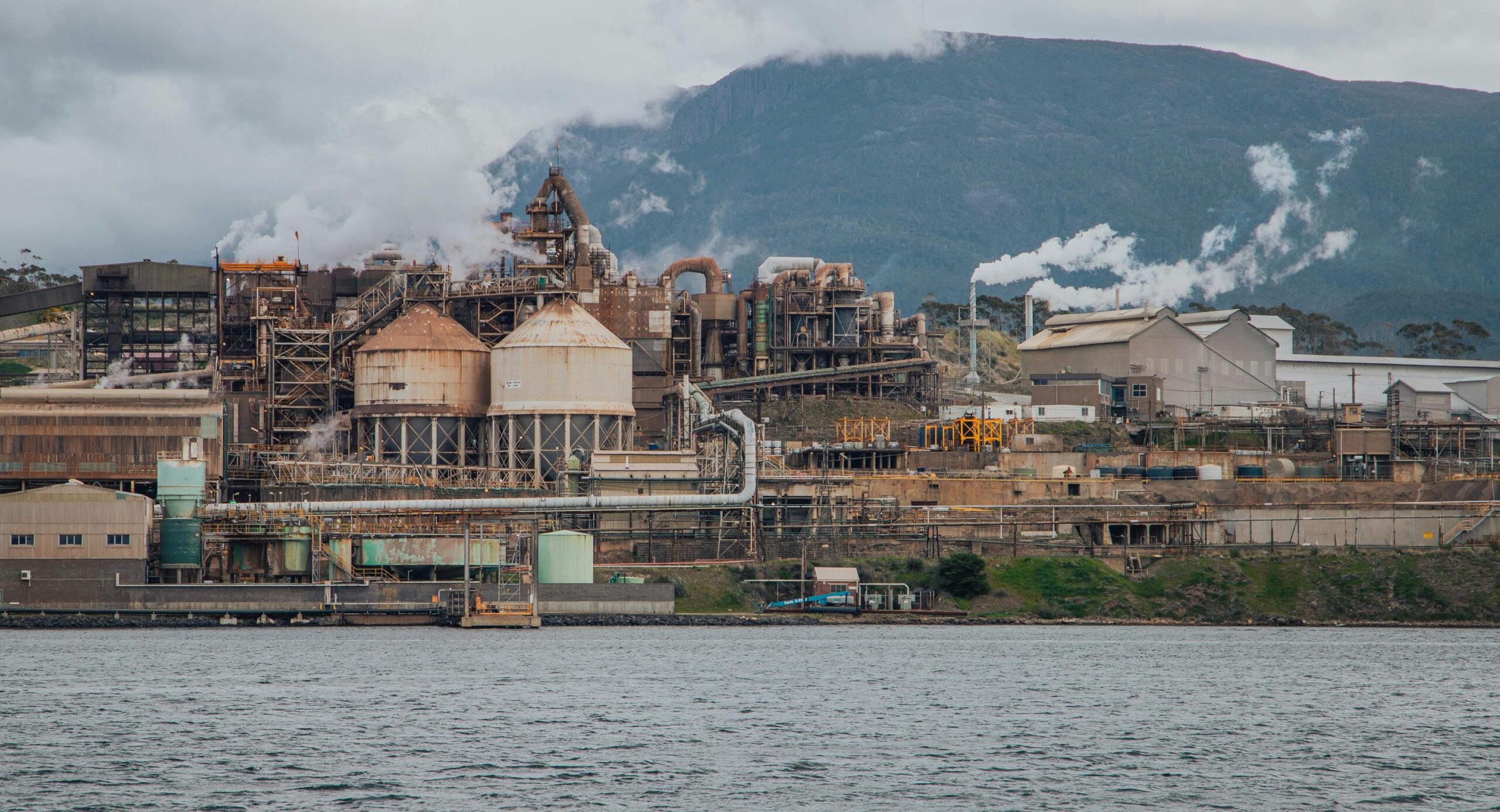
The hidden costs of carbon emissions are reshaping how businesses approach profitability, sustainability, and long-term innovation in an increasingly climate-conscious global economy.

🌍 The Invisible Tax: Understanding Carbon’s True Economic Impact
For decades, pollution operated as an externality—a cost society bore while businesses profited. Carbon emissions floated into the atmosphere without appearing on balance sheets, creating a fundamental market failure that masked the true price of production. Today, this paradigm is crumbling as carbon emission costing transforms from an abstract concept into a concrete business reality that drives strategic decisions across industries.
Carbon emission costing assigns monetary value to greenhouse gas emissions, forcing organizations to account for their environmental impact in financial terms. This pricing mechanism works through various instruments including carbon taxes, cap-and-trade systems, internal carbon pricing, and shadow pricing. Each approach serves a common purpose: making the invisible costs of pollution visible and actionable.
The European Union’s Emissions Trading System, launched in 2005, demonstrated that pricing carbon could reduce emissions while maintaining economic growth. Companies operating within the EU ETS must purchase allowances for each ton of CO2 they emit, creating a direct financial incentive to reduce emissions. This market-based mechanism has reduced emissions from covered sectors by approximately 35% since its inception, proving that economic instruments can drive environmental outcomes.
💼 From Compliance to Competitive Advantage
Forward-thinking companies have discovered that carbon pricing isn’t merely a regulatory burden—it’s a strategic tool that reveals opportunities for cost reduction and innovation. Organizations implementing internal carbon prices gain clearer visibility into their operations, identifying inefficiencies that would otherwise remain hidden beneath conventional accounting practices.
Microsoft, for example, has operated an internal carbon fee since 2012, charging business units for their emissions and using the revenue to fund sustainability initiatives. This approach transformed carbon management from an abstract environmental goal into a concrete business consideration affecting budget allocations and project approvals. The result? Significant emissions reductions coupled with innovation in energy efficiency and renewable energy adoption.
When companies internalize carbon costs, they fundamentally alter their investment calculus. Projects that appeared profitable under traditional accounting may become financially questionable when carbon costs are factored in, while previously overlooked clean technology investments suddenly demonstrate superior returns. This shift in perspective drives capital toward lower-carbon alternatives, accelerating the transition to sustainable business models.
The Innovation Catalyst Effect
Carbon pricing doesn’t just penalize pollution—it rewards ingenuity. By creating economic pressure to reduce emissions, carbon costing stimulates research and development in clean technologies, process optimization, and circular economy solutions. Companies facing significant carbon costs have powerful incentives to innovate their way to lower emissions rather than simply absorbing the expense.
The automotive industry illustrates this dynamic clearly. As carbon regulations tightened and emission costs increased, manufacturers accelerated electric vehicle development, invested in battery technology, and reimagined supply chains. Tesla’s rise demonstrated market demand for zero-emission vehicles, while traditional automakers committed hundreds of billions to electrification. Carbon pricing helped shift an entire industry’s trajectory toward sustainability.
📊 Measuring What Matters: Carbon Accounting Methodologies
Effective carbon emission costing requires robust measurement systems. Organizations typically categorize emissions into three scopes defined by the Greenhouse Gas Protocol, the most widely used international accounting standard:
- Scope 1: Direct emissions from owned or controlled sources, such as company vehicles or on-site fuel combustion
- Scope 2: Indirect emissions from purchased electricity, steam, heating, and cooling
- Scope 3: All other indirect emissions occurring in the value chain, including supplier emissions, product use, and end-of-life treatment
Scope 3 emissions often represent the largest portion of a company’s carbon footprint—sometimes exceeding 90% for certain sectors—yet remain the most challenging to measure and manage. Supply chain complexity, data availability issues, and attribution challenges make Scope 3 accounting difficult but increasingly essential as stakeholders demand comprehensive climate action.
Technology is rapidly improving carbon measurement capabilities. Satellite monitoring, IoT sensors, artificial intelligence, and blockchain-based verification systems are making emissions tracking more accurate, transparent, and cost-effective. These technologies enable real-time visibility into carbon footprints, supporting more dynamic management and faster response to emission hotspots.
Setting the Right Price Signal
Determining appropriate carbon prices involves balancing economic, environmental, and political considerations. Prices must be high enough to drive meaningful behavioral change but not so punitive that they create economic disruption or political backlash. Most economists agree that carbon prices need to reach $50-$100 per ton by 2030 to align with Paris Agreement temperature targets.
Currently, carbon prices vary dramatically across jurisdictions. European allowances trade above €80 per ton, while other systems operate at far lower levels. This fragmentation creates competitive disparities and risks carbon leakage—businesses relocating to regions with weaker carbon constraints. Border adjustment mechanisms are emerging to address this challenge, leveling the playing field while maintaining climate ambition.
🚀 Business Model Transformation Through Carbon Intelligence
Carbon emission costing doesn’t just optimize existing operations—it can fundamentally reshape business models. Companies are discovering that comprehensive carbon intelligence reveals opportunities for value creation that traditional metrics miss entirely.
The circular economy concept exemplifies this transformation. By designing products for longevity, reuse, and recyclability, companies reduce embodied carbon while creating new revenue streams through product-as-a-service models, refurbishment operations, and material recovery. Carbon costing makes the financial case for circularity by quantifying the emissions embedded in virgin materials versus recycled alternatives.
Similarly, supply chain reconfiguration driven by carbon considerations can yield multiple benefits. Localization reduces transportation emissions while improving supply chain resilience. Supplier partnerships focused on decarbonization can lower total cost of ownership when carbon prices are factored in. Collaborative logistics arrangements reduce redundant shipping, cutting both emissions and expenses.
The Financial Sector’s Carbon Awakening
Financial institutions increasingly integrate carbon considerations into investment decisions, risk assessments, and portfolio management. Climate-related financial risks—both physical impacts and transition risks from policy changes—represent material concerns for investors, lenders, and insurers.
The Task Force on Climate-related Financial Disclosures established frameworks for companies to report climate risks and opportunities, improving transparency and enabling capital allocation aligned with climate goals. Asset managers now offer carbon-optimized investment products, while banks incorporate carbon performance into lending decisions. This financial sector engagement amplifies carbon pricing’s impact, channeling capital toward sustainable enterprises.
🌱 Beyond Carbon: The Broader Sustainability Integration
While carbon receives primary focus, comprehensive sustainability requires addressing interconnected environmental challenges including water consumption, biodiversity loss, waste generation, and pollution. Carbon emission costing represents one component of broader Environmental, Social, and Governance (ESG) frameworks that evaluate corporate performance holistically.
Progressive companies recognize synergies between carbon reduction and other sustainability objectives. Renewable energy adoption cuts emissions while reducing water consumption compared to thermal power generation. Nature-based carbon sequestration projects deliver biodiversity benefits alongside climate mitigation. Circular economy approaches simultaneously address carbon, waste, and resource depletion.
However, potential trade-offs also exist. Electric vehicle batteries reduce operational carbon but raise concerns about mining impacts and end-of-life disposal. Bioenergy might lower net carbon emissions while creating land use conflicts affecting food security and ecosystems. Effective sustainability strategies navigate these complexities, optimizing across multiple dimensions rather than focusing myopically on carbon alone.
🏭 Sector-Specific Applications and Challenges
Carbon emission costing manifests differently across industries based on their carbon intensity, technological options, and competitive dynamics. Heavy industries like steel, cement, and chemicals face particularly acute challenges given their high emissions and limited near-term decarbonization pathways.
The steel industry produces approximately 7-9% of global CO2 emissions, primarily from coal-based blast furnaces. Carbon pricing makes hydrogen-based direct reduction and electric arc furnaces using recycled steel increasingly competitive despite higher capital costs. Several steelmakers are piloting green steel production, positioning themselves for a low-carbon future while current producers face growing carbon costs.
The technology sector, while less carbon-intensive in direct operations, confronts enormous Scope 3 emissions from manufacturing, data centers, and product use. Tech giants including Google, Apple, and Amazon have committed to carbon neutrality, driving renewable energy procurement and supply chain engagement. Their purchasing power accelerates clean energy deployment while establishing sustainability expectations throughout their ecosystems.
Agriculture and Land Use Complexity
Agriculture presents unique carbon accounting challenges given emissions variability, natural carbon sequestration potential, and the sector’s fundamental importance for food security. Livestock production generates significant methane emissions, while soil management practices can either release or capture carbon.
Carbon pricing in agriculture must account for biological complexity, seasonal variations, and smallholder farmer constraints. Regenerative agriculture practices that rebuild soil carbon offer climate benefits while potentially improving yields and resilience. Carbon markets are developing to compensate farmers for sequestration, though verification challenges and permanence concerns require careful protocol design.
⚖️ Policy Frameworks Enabling Carbon-Driven Change
Effective carbon emission costing requires supportive policy environments that establish clear rules, ensure fair competition, and provide long-term certainty for investment decisions. Successful policy frameworks typically combine multiple instruments including carbon pricing, regulations, standards, and support for innovation.
The Nordic countries demonstrate how comprehensive policy approaches drive results. Sweden introduced a carbon tax in 1991, now exceeding $120 per ton, while simultaneously investing in renewable energy infrastructure and public transportation. The result: Sweden has reduced emissions by 30% since 1990 while growing its economy by 80%, proving that climate action and prosperity are compatible.
Border carbon adjustments are emerging as critical policy tools to prevent carbon leakage and maintain competitiveness. The European Union’s Carbon Border Adjustment Mechanism will impose charges on imported goods based on their embedded emissions, ensuring that domestic producers aren’t disadvantaged by stringent climate policies. This approach could encourage global carbon pricing adoption by extending EU standards to trading partners.
🔮 The Future Landscape: Scaling Impact and Accelerating Transition
Carbon emission costing is evolving rapidly, driven by technological advances, policy developments, and growing climate urgency. Several trends will shape the future landscape, amplifying carbon pricing’s transformative potential.
Digital technologies are revolutionizing carbon management. Artificial intelligence optimizes energy consumption in real-time, while blockchain enables transparent, tamper-proof emissions tracking. Digital twins allow companies to model carbon impacts before making investment decisions, reducing risk and improving outcomes. These technologies make carbon management more precise, automated, and integrated into core business systems.
Scope 3 engagement is intensifying as companies recognize that value chain emissions dwarf direct operations. Leading firms are setting supplier emissions targets, providing technical assistance for decarbonization, and incorporating carbon performance into procurement decisions. This collaborative approach cascades climate action throughout economies, reaching smaller enterprises that lack resources for independent programs.
Consumer Awareness and Market Pull
Growing consumer consciousness about climate change is creating market demand for low-carbon products and services. Carbon labeling initiatives provide transparency about product footprints, enabling informed purchasing decisions. Companies responding to this demand gain competitive advantages, while those ignoring sustainability risk losing market share to more responsive competitors.
Younger generations particularly prioritize sustainability, influencing both consumer markets and employment. Millennials and Gen Z employees prefer working for companies demonstrating environmental responsibility, making carbon performance relevant for talent attraction and retention. This demographic shift reinforces business cases for climate action beyond pure financial calculations.
💡 Practical Implementation: Getting Started with Carbon Costing
Organizations beginning carbon emission costing journeys should approach implementation systematically, building capabilities progressively rather than attempting comprehensive systems immediately. Starting with solid foundations enables scaling over time as expertise and data quality improve.
Initial steps include establishing baseline emissions inventories across all relevant scopes, identifying data sources and collection processes, and selecting appropriate accounting methodologies. Many companies begin by focusing on Scope 1 and 2 emissions where data availability and control are greatest, then expanding to Scope 3 as capabilities mature.
Setting an internal carbon price requires determining objectives—whether driving investment decisions, funding sustainability initiatives, or preparing for regulatory carbon pricing. Prices should reflect external market signals, regulatory trajectories, and internal climate targets. Regular reviews ensure prices remain aligned with evolving contexts and ambitions.
Engagement across the organization is essential for successful implementation. Finance teams must integrate carbon into capital allocation processes, operations staff need training on emissions reduction opportunities, and procurement departments should incorporate carbon criteria into supplier selection. Cross-functional collaboration ensures carbon considerations permeate decision-making rather than remaining siloed in sustainability departments.

🌟 Creating Lasting Value Through Climate Leadership
Carbon emission costing represents far more than compliance with environmental regulations—it’s a strategic framework for creating lasting value in a carbon-constrained world. Companies embracing this approach position themselves for long-term success as climate policies tighten, stakeholder expectations rise, and markets increasingly reward sustainability leadership.
The transition to a low-carbon economy is inevitable; only the pace remains uncertain. Organizations that proactively address carbon emissions gain first-mover advantages, building competitive moats through technological expertise, operational efficiency, and brand reputation. Those delaying action face growing risks including stranded assets, regulatory penalties, and market share losses to more adaptive competitors.
Ultimately, carbon emission costing transforms pollution from an externality into a managed business risk and opportunity. By unlocking the true price of pollution, companies can drive sustainable change that benefits their bottom lines, their stakeholders, and the planet. This alignment of economic and environmental interests represents the foundation for genuine, lasting progress toward a sustainable future.
The journey toward comprehensive carbon management requires commitment, investment, and persistence, but the rewards—financial, reputational, and environmental—justify the effort. As carbon prices rise globally and climate impacts intensify, carbon intelligence will increasingly separate thriving enterprises from struggling ones. The question isn’t whether to adopt carbon emission costing, but how quickly organizations can build the capabilities needed to excel in a carbon-transparent world.