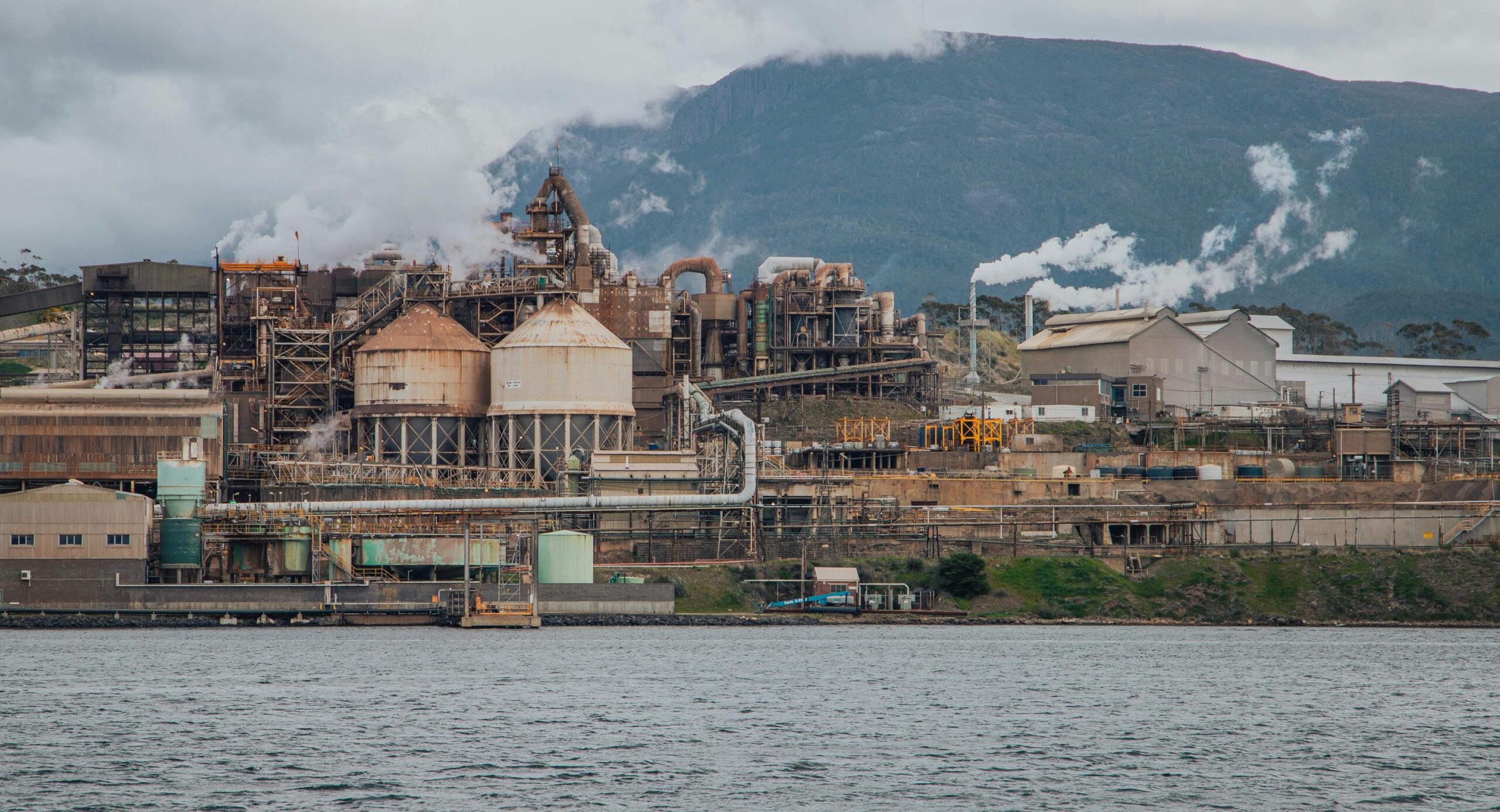
Every decision we make carries costs beyond the price tag—pollution, resource depletion, and social impacts that societies bear silently. Understanding and addressing these hidden expenses is crucial for building economies that truly serve our collective future.

🌍 Understanding the Invisible Price We All Pay
When a factory produces goods, the market price reflects raw materials, labor, and operational expenses. But what about the polluted river downstream? The respiratory illnesses in nearby communities? These external costs—expenses imposed on society rather than producers—represent one of capitalism’s most persistent blind spots.
External cost internalization transforms this dynamic by incorporating these hidden expenses into market prices. This fundamental shift in economic thinking acknowledges that true costs extend far beyond balance sheets, encompassing environmental degradation, health impacts, and resource depletion that future generations will inherit.
The concept isn’t new. Economist Arthur Pigou introduced externalities in the 1920s, recognizing that market failures occur when prices don’t reflect true societal costs. Nearly a century later, climate change, biodiversity loss, and mounting inequality demonstrate the urgency of translating theory into practice.
💰 The Real Economics Behind Hidden Costs
Traditional economic models treat environmental and social impacts as “externalities”—side effects outside market transactions. This accounting fiction creates perverse incentives where polluting becomes profitable precisely because society absorbs the damage costs.
Consider fossil fuel energy. The market price covers extraction, refining, and distribution, but excludes air pollution’s health costs, climate change impacts, and ecosystem damage. Research from the International Monetary Fund estimates global fossil fuel subsidies—including unpriced externalities—exceeded $5.9 trillion in 2020, representing 6.8% of global GDP.
These hidden costs manifest across industries:
- Agriculture: Pesticide runoff contaminating water supplies, biodiversity loss from monocultures, and antibiotic resistance from factory farming
- Fashion: Textile waste filling landfills, water pollution from dyes, and carbon emissions from global supply chains
- Technology: E-waste toxicity, rare earth mineral extraction damage, and energy consumption from data centers
- Transportation: Air quality degradation, noise pollution, and infrastructure wear beyond fuel taxes
When companies avoid these costs, they gain competitive advantages over responsible alternatives—a market distortion that perpetuates unsustainable practices.
🔄 Mechanisms for Capturing True Value
External cost internalization employs various policy instruments to align private costs with social costs, creating market conditions where sustainable practices become economically rational.
Carbon Pricing and Emissions Trading
Carbon taxes and cap-and-trade systems put a price on greenhouse gas emissions, making pollution expensive rather than free. The European Union’s Emissions Trading System, covering approximately 40% of EU emissions, has helped reduce covered emissions by over 35% since 2005.
British Columbia’s carbon tax, implemented in 2008, demonstrates effectiveness without economic harm. The province reduced fuel consumption and emissions while maintaining GDP growth comparable to the rest of Canada, disproving claims that environmental protection necessarily hampers prosperity.
Extended Producer Responsibility
EPR policies shift end-of-life product management costs from taxpayers to manufacturers, incentivizing design improvements that facilitate recycling and reduce waste. Germany’s packaging ordinance, requiring producers to finance collection and recycling, achieved recycling rates exceeding 65% for most materials.
This approach transforms waste from a municipal burden into a design consideration, encouraging companies to create products that disassemble easily, use recyclable materials, and minimize packaging.
Environmental Taxation Reform
Shifting tax burdens from labor and capital to pollution and resource extraction creates double dividends: environmental improvement and economic efficiency gains. Scandinavia’s environmental tax reforms demonstrate this potential, generating revenue while reducing emissions and resource consumption.
📊 Measuring What Matters: Valuation Challenges
Internalizing external costs requires accurate measurement—a complex undertaking when valuing ecosystems, health impacts, and intergenerational equity. Multiple methodologies address this challenge:
| Valuation Method | Application | Strengths |
|---|---|---|
| Damage Cost Approach | Quantifying pollution health impacts | Direct cause-effect measurement |
| Avoidance Cost Method | Restoration and prevention expenses | Practical implementation data |
| Contingent Valuation | Ecosystem services worth | Captures non-market values |
| Social Cost of Carbon | Climate change damage estimation | Comprehensive long-term assessment |
The social cost of carbon illustrates both the necessity and difficulty of valuation. Estimates range from $50 to over $400 per ton depending on discount rates, damage assumptions, and ethical frameworks for weighing present versus future welfare.
Despite uncertainties, imperfect pricing remains superior to treating environmental damage as valueless. As measurement methodologies improve and data accumulates, valuation accuracy continues advancing.
🚀 Business Innovation Through Internalization
Rather than merely imposing costs, internalization catalyzes innovation by making sustainable practices economically advantageous. Companies embracing this shift discover competitive opportunities others miss.
Interface, the carpet tile manufacturer, pioneered closed-loop manufacturing after founder Ray Anderson recognized external costs his company imposed. By redesigning products for recyclability and developing take-back programs, Interface reduced environmental impact by over 90% while improving profitability—proof that sustainability and profitability can align.
Unilever’s Sustainable Living Plan demonstrates how internalizing supply chain externalities drives value creation. By addressing water scarcity, deforestation, and social impacts throughout operations, the company reduced costs, strengthened brand loyalty, and outperformed market averages.
These examples reveal that external cost internalization doesn’t simply penalize harmful practices—it rewards ingenuity in finding better solutions, unlocking markets for green technologies, circular economy models, and regenerative practices.
🌱 From Theory to Practice: Implementation Pathways
Successful internalization requires coordinated action across policy, business, and civil society. Several pathways prove particularly effective:
Regulatory Integration
Environmental impact assessments, pollution permits, and performance standards create frameworks where external costs inform decision-making. California’s environmental quality regulations require projects to mitigate identified impacts, preventing cost externalization at planning stages.
Market-Based Instruments
Taxes, subsidies, and tradable permits harness market mechanisms for environmental goals. Sweden’s NOx charge on emissions from large combustion plants reduced nitrogen oxide emissions by 40% while maintaining energy production—demonstrating that well-designed economic instruments achieve results efficiently.
Information Disclosure
Transparency requirements enabling consumers and investors to recognize external costs drive voluntary improvements. Carbon disclosure projects, sustainability reporting standards, and environmental labeling empower stakeholders to reward responsible practices.
Voluntary Corporate Action
Progressive companies increasingly adopt internal carbon pricing, using shadow prices for emissions when evaluating investments. Microsoft, for example, charges business divisions for their carbon footprint, creating internal incentives for emission reductions even absent regulatory requirements.
⚖️ Addressing Equity and Transition Challenges
External cost internalization raises legitimate concerns about fairness and economic disruption. Carbon taxes can burden low-income households disproportionately. Industrial transitions may displace workers in affected sectors. Addressing these challenges is essential for maintaining public support.
Revenue recycling offers powerful solutions. Using internalization revenues for progressive tax cuts, direct rebates, or targeted assistance protects vulnerable populations while maintaining environmental incentives. Canada’s carbon tax rebate returns most households more than they pay in carbon costs, making the policy progressive despite higher energy prices.
Just transition frameworks ensure communities and workers dependent on unsustainable industries receive support for adaptation. Germany’s coal phase-out includes substantial investment in affected regions, retraining programs, and early retirement options—recognizing that transition costs deserve attention alongside environmental benefits.
🌐 Global Dimensions and International Cooperation
External costs transcend borders, requiring international coordination to prevent carbon leakage and competitive disadvantages. Companies might relocate production to jurisdictions with lax environmental standards, undermining domestic policies while failing to reduce global impacts.
Border carbon adjustments—tariffs on imports from countries without comparable carbon pricing—address this challenge by leveling the playing field. The European Union’s proposed Carbon Border Adjustment Mechanism represents the most ambitious implementation, potentially catalyzing global climate action by extending carbon pricing’s reach.
International agreements like the Paris Climate Accord create frameworks for coordinated action, while institutions like the World Bank support developing countries in implementing internalization policies without sacrificing development goals.
📈 The Investment Perspective: Risk and Opportunity
Financial markets increasingly recognize that unpriced external costs represent material risks to asset values. As regulations tighten and consumer preferences shift, companies externalizing costs face mounting liabilities and shrinking markets.
The concept of “stranded assets”—fossil fuel reserves and related infrastructure that may become worthless as climate policy strengthens—illustrates this risk. Carbon Tracker estimates that up to $900 billion in fossil fuel assets could be stranded by 2030 under climate scenarios limiting warming to 2°C.
Conversely, companies leading internalization benefit from first-mover advantages, enhanced reputation, and access to growing sustainable investment capital. ESG investing, now managing over $35 trillion globally, channels capital toward firms managing external impacts responsibly.
🔮 Technology’s Role in Enabling Internalization
Digital technologies dramatically improve our capacity to measure, monitor, and price external costs. Satellite monitoring tracks deforestation and emissions with unprecedented precision. Blockchain enables transparent supply chain verification. Artificial intelligence optimizes resource use and predicts environmental impacts.
These tools make internalization more feasible and effective, reducing information asymmetries that previously obscured true costs. Smart meters enable dynamic pricing reflecting environmental conditions. Sensors provide real-time pollution data informing automated responses. Digital platforms connect consumers with sustainability information at decision moments.
🎯 Creating Systemic Change Through Aligned Incentives
External cost internalization’s ultimate power lies not in individual policy instruments but in systemic transformation—realigning economic incentives with ecological and social wellbeing. When markets reflect true costs, millions of decentralized decisions collectively steer society toward sustainability.
This approach respects individual and organizational autonomy while establishing boundaries within which innovation flourishes. Rather than mandating specific solutions, internalization sets prices that make sustainable choices rational, unleashing entrepreneurial creativity to discover efficient pathways forward.
The transition requires patience and persistence. Established interests benefiting from cost externalization resist change. Political cycles favor short-term thinking. Yet momentum builds as climate impacts intensify, younger generations demand action, and evidence accumulates demonstrating that sustainable economies outperform extractive ones.
💡 Practical Steps for Stakeholders
Different actors can advance external cost internalization through specific actions within their spheres of influence:
Policymakers should implement carbon pricing, strengthen environmental regulations, require comprehensive impact disclosure, and ensure transition support protects vulnerable populations.
Business leaders can adopt internal carbon pricing, measure and report supply chain impacts, invest in circular economy models, and advocate for level playing fields through effective regulation.
Investors must integrate external cost assessment into valuation models, engage companies on sustainability performance, support shareholder resolutions addressing material externalities, and allocate capital toward regenerative enterprises.
Consumers should consider total lifecycle costs when purchasing, support companies demonstrating responsibility, demand transparency about products’ true impacts, and advocate for policies enabling sustainable choices.
Civil society organizations can educate publics about hidden costs, monitor corporate and government performance, amplify marginalized voices in transition planning, and build coalitions across stakeholder groups.

🌟 The Path Forward: From Hidden Costs to Shared Prosperity
External cost internalization represents more than technical economic policy—it embodies a fundamental shift in how we conceive value and prosperity. By recognizing that individual wellbeing depends on collective health and environmental integrity, we create economic systems aligned with reality rather than convenient fictions.
The transition challenges are real but surmountable. Implementation requires political courage, technical sophistication, and social solidarity. Yet the alternative—continuing to externalize costs onto future generations and vulnerable communities—becomes increasingly untenable as ecological boundaries tighten and social tensions mount.
Encouragingly, successful examples multiply globally. From Scandinavian environmental taxation to corporate sustainability leadership to grassroots movements demanding accountability, diverse actors demonstrate that better alternatives exist and work.
The question isn’t whether external costs will be internalized, but how quickly and equitably we accomplish this transformation. Climate physics, ecosystem limits, and social pressures make the current model unsustainable. The opportunity before us is designing internalization pathways that create not just environmental protection but genuine flourishing—economies delivering broadly shared prosperity within planetary boundaries.
This vision isn’t utopian but practical, grounded in economic principles, demonstrated by pioneering implementations, and increasingly demanded by citizens worldwide. By turning hidden costs into visible signals guiding behavior, we harness markets’ power for collective benefit rather than individual gain at shared expense.
The journey toward full internalization will span decades, requiring continuous refinement as we learn what works and adapt to changing circumstances. But every step forward—each carbon price implemented, each extended producer responsibility program launched, each company adopting comprehensive impact accounting—moves us closer to economies that enhance rather than undermine the foundations of long-term human wellbeing. That transformation represents our generation’s defining economic challenge and greatest opportunity. ✨