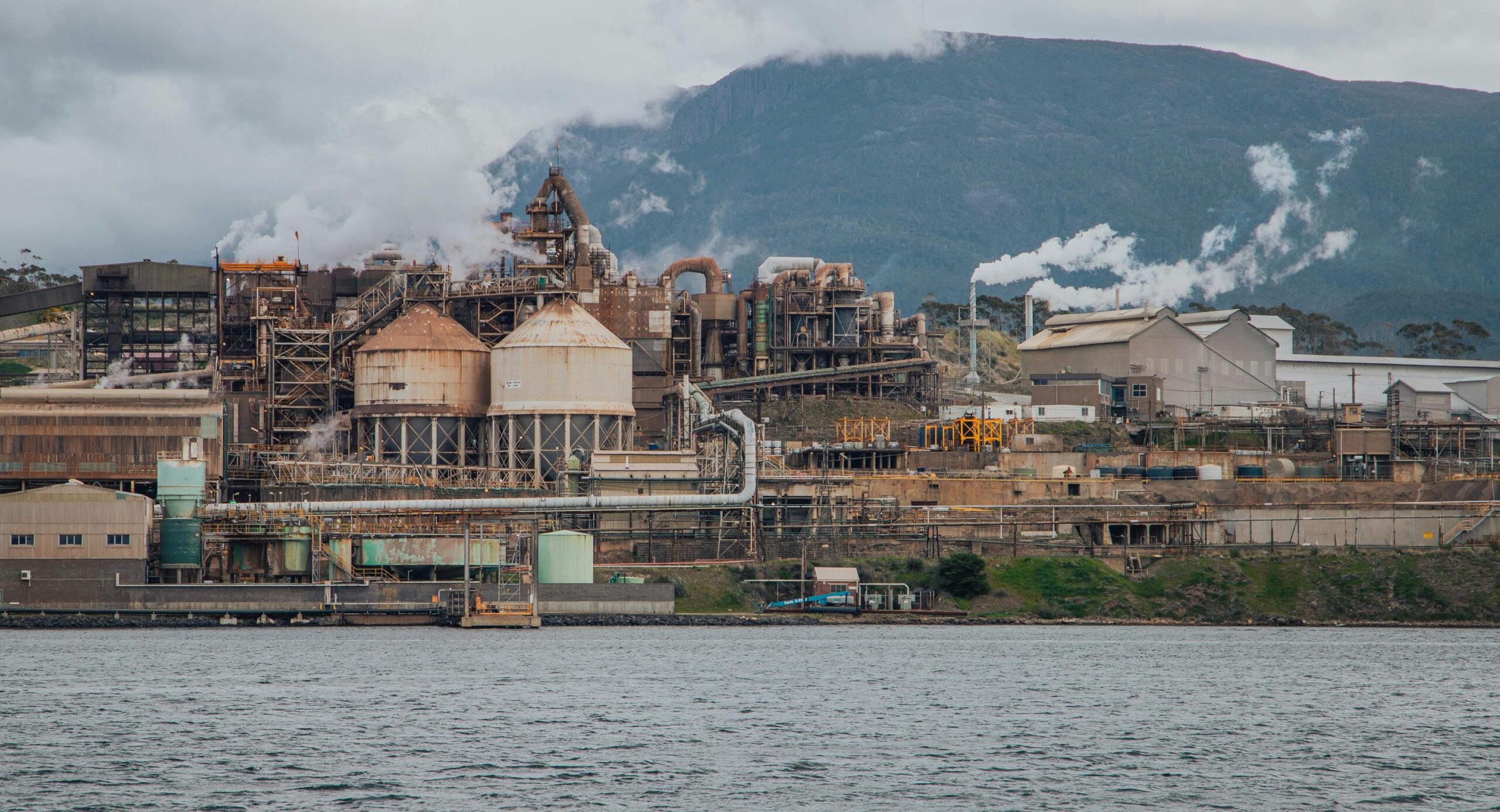
Economic intervention serves as a powerful catalyst for national development, influencing markets, employment, and prosperity across societies in ways that extend far beyond initial policy implementations.

💼 The Foundation of Economic Intervention in Modern Economies
Economic intervention represents deliberate government action designed to influence market outcomes, stabilize economic fluctuations, and promote sustainable growth. These interventions range from monetary policy adjustments and fiscal stimulus programs to regulatory frameworks and targeted industry support. Understanding how these measures create cascading effects throughout an economy remains essential for policymakers, businesses, and citizens alike.
The complexity of modern economies means that no intervention exists in isolation. Each policy decision triggers a series of interconnected responses that ripple through various sectors, affecting employment rates, consumer confidence, investment patterns, and international trade relationships. These ripple effects can amplify positive outcomes or, if poorly designed, compound economic challenges.
Historical evidence demonstrates that strategic economic intervention has lifted nations from recession, stabilized volatile markets, and created conditions for unprecedented prosperity. However, the same tools wielded without careful consideration have also contributed to inflation, market distortions, and unintended consequences that undermine long-term stability.
🌊 Understanding the Ripple Effect Mechanism
The ripple effect in economics describes how initial policy interventions spread throughout interconnected systems, much like waves emanating from a stone dropped in water. When governments inject stimulus funding into infrastructure projects, the immediate beneficiaries include construction companies and their employees. These workers then spend their wages on goods and services, supporting retail businesses, restaurants, and entertainment venues.
This secondary spending creates tertiary effects as those businesses expand, hire additional staff, and purchase supplies from wholesalers. The process continues through multiple rounds of economic activity, with each wave diminishing in intensity but collectively generating substantial aggregate impact. Economists refer to this phenomenon as the multiplier effect, where initial spending produces total economic output several times larger than the original investment.
The velocity and magnitude of ripple effects depend on numerous factors including consumer confidence, propensity to save versus spend, existing debt levels, and the openness of the economy to international trade. In tightly integrated global markets, ripples can quickly cross borders, affecting trading partners and international investment flows.
The Transmission Channels of Economic Policy
Economic interventions travel through specific channels that determine their effectiveness and reach. The credit channel operates through banking systems, where interest rate changes affect lending capacity and borrowing costs. When central banks lower rates, businesses find it cheaper to finance expansion projects, while consumers access more affordable mortgages and personal loans.
The expectations channel influences behavior based on anticipated future conditions. If businesses expect sustained economic growth due to government initiatives, they increase investment and hiring today. Conversely, uncertainty about policy direction can freeze decision-making, regardless of current economic indicators.
Asset price channels transmit policy effects through stock markets, real estate values, and commodity prices. Rising asset values create wealth effects that encourage consumption and investment, while declining values can trigger retrenchment and reduced spending across the economy.
📊 Fiscal Policy Interventions and Their Cascading Impacts
Fiscal policy encompasses government decisions about taxation and spending, representing perhaps the most direct form of economic intervention. When governments increase public spending during economic downturns, they aim to compensate for reduced private sector demand, maintaining employment levels and preventing deflationary spirals.
Infrastructure investment exemplifies fiscal intervention with substantial ripple effects. Building roads, bridges, ports, and digital networks creates immediate construction jobs while establishing foundations for future productivity gains. Improved transportation reduces business costs, expands market access for rural producers, and attracts private investment to previously isolated regions.
Tax policy adjustments generate equally significant ripples. Reducing corporate tax rates increases after-tax profits, providing capital for business expansion, research and development, and workforce training. Personal income tax cuts boost disposable income, supporting consumer spending that drives approximately two-thirds of economic activity in most developed nations.
Social Safety Nets as Economic Stabilizers
Unemployment insurance, food assistance programs, and healthcare subsidies serve dual purposes as humanitarian support and economic stabilization mechanisms. During recessions, these automatic stabilizers maintain household purchasing power, preventing the complete collapse of consumer demand that characterized historical depressions.
The ripple effects of robust social safety nets extend beyond immediate recipients. Retailers in economically distressed areas remain viable when assistance programs maintain customer bases. Healthcare providers continue operations serving vulnerable populations. Schools receive funding based on enrollment that might otherwise decline if families relocated seeking employment.
💰 Monetary Policy and the Banking System Multiplier
Central banks influence economic conditions through monetary policy tools that affect interest rates, money supply, and credit availability. These interventions work primarily through the banking system, where fractional reserve requirements allow initial deposits to support multiple loans, creating money supply expansion far beyond base monetary adjustments.
When central banks lower benchmark interest rates, borrowing costs decline throughout the economy. Businesses access cheaper capital for expansion projects, homebuyers qualify for larger mortgages, and consumers finance purchases previously considered unaffordable. This increased borrowing translates into higher spending, supporting employment across construction, manufacturing, and service sectors.
Quantitative easing represents unconventional monetary intervention where central banks purchase government bonds and other securities, injecting liquidity directly into financial markets. This lowers long-term interest rates, supports asset prices, and encourages investment in productive economic activities rather than low-yielding government debt.
Exchange Rate Dynamics and International Competitiveness
Monetary policy interventions affect currency values in foreign exchange markets, creating ripple effects through international trade channels. Currency depreciation makes exports more competitive globally while increasing import costs, potentially improving trade balances and supporting domestic manufacturing employment.
However, exchange rate movements also affect inflation rates, debt servicing costs for foreign-denominated obligations, and cross-border investment flows. Countries with significant external debt face increased burden when domestic currencies weaken, while tourism-dependent economies benefit from attracting more international visitors seeking favorable exchange rates.
🏭 Industry-Specific Interventions and Sectoral Transformation
Governments frequently implement targeted interventions supporting specific industries deemed strategically important or requiring temporary assistance during transitional periods. Subsidies for renewable energy development have accelerated the global shift toward sustainable power generation, creating entire new industries while reducing carbon emissions.
Agricultural support programs stabilize food production, ensuring national food security while maintaining rural employment and community viability. These interventions prevent the volatile commodity prices that characterized historical agricultural markets from devastating farming communities during periodic oversupply conditions.
Research and development tax credits encourage innovation by reducing the cost of developing new technologies, pharmaceuticals, and manufacturing processes. The ripple effects include patent development, startup formation, skilled employment opportunities, and productivity improvements that enhance long-term competitiveness.
The Challenge of Creative Destruction
Economic intervention faces philosophical tensions regarding creative destruction—the process where inefficient firms fail, releasing resources for reallocation to more productive uses. While supporting declining industries preserves existing jobs, it may delay necessary transitions and divert resources from emerging sectors offering greater future prosperity.
Balancing short-term stability with long-term dynamism requires carefully designed interventions that support worker transition rather than preserving unsustainable business models. Retraining programs, portable benefits, and geographic mobility assistance help workers navigate economic transformation while allowing market forces to drive efficiency improvements.
🌍 International Dimensions of Economic Policy
In interconnected global markets, domestic economic interventions generate international ripples that affect trading partners, investment flows, and currency markets. Stimulus spending in large economies increases import demand, supporting export growth in trading partner nations and transmitting economic expansion across borders.
Coordination challenges arise when countries pursue conflicting policy objectives. Competitive currency devaluations—sometimes termed “beggar-thy-neighbor” policies—attempt to gain trade advantages at partner expense. Such approaches risk triggering retaliatory responses that leave all participants worse off, highlighting the importance of international policy cooperation.
Trade agreements and investment treaties represent collaborative interventions that reduce barriers, establish common standards, and create predictable frameworks supporting cross-border commerce. The ripple effects include supply chain development, technology transfer, and competitive pressure that drives productivity improvements across participating nations.
📈 Measuring Success: Growth Metrics and Stability Indicators
Evaluating economic intervention effectiveness requires comprehensive metrics beyond simple GDP growth rates. Employment quality, wage growth, income distribution, and economic mobility provide crucial insights into whether prosperity reaches broad populations or concentrates among narrow elite groups.
Stability indicators including inflation volatility, financial market stress indexes, and business confidence surveys reveal whether interventions create sustainable conditions or merely postpone inevitable adjustments. Price stability particularly matters for long-term planning, as unpredictable inflation undermines investment decisions and erodes purchasing power.
Sustainability considerations increasingly shape intervention assessment. Policies promoting short-term growth through environmental degradation or excessive debt accumulation may score well on immediate metrics while creating long-term liabilities that diminish future prosperity.
⚠️ Navigating the Risks of Intervention Overreach
While strategic intervention supports growth and stability, excessive government involvement risks creating moral hazard, market distortions, and reduced economic dynamism. When businesses expect government bailouts during difficulties, they may pursue excessively risky strategies, privatizing profits while socializing losses.
Prolonged intervention can distort price signals that allocate resources efficiently in market economies. Artificially low interest rates encourage excessive borrowing and speculative investment in assets rather than productive capacity. Persistent government subsidies may keep inefficient firms operating, reducing overall productivity and competitiveness.
Political considerations sometimes drive interventions toward narrow constituencies rather than broad economic welfare, creating privileged positions for connected industries while imposing costs on consumers and taxpayers. Maintaining transparency, evidence-based policymaking, and regular program evaluation helps minimize these risks.
🔮 Future Directions: Adaptive Intervention Strategies
Evolving economic challenges including technological disruption, climate change, demographic shifts, and pandemic risks require adaptive intervention approaches. Digital transformation eliminates traditional employment categories while creating new opportunities requiring different skill sets, necessitating education and training interventions that prepare populations for changing labor markets.
Climate-related economic interventions increasingly recognize that environmental sustainability and prosperity represent complementary rather than competing objectives. Carbon pricing, green infrastructure investment, and clean energy subsidies aim to redirect economic activity toward sustainable pathways while maintaining growth and employment.
Demographic aging in developed economies requires interventions supporting productivity growth as workforce expansion slows. Automation, artificial intelligence, and improved healthcare can offset declining working-age populations, but require intentional policy frameworks ensuring benefits distribute broadly rather than exacerbating inequality.

🎯 Strategic Wisdom: Maximizing Positive Ripples While Minimizing Unintended Consequences
Effective economic intervention requires understanding both intended pathways and potential unintended consequences. Comprehensive analysis considering distributional impacts, environmental effects, international spillovers, and long-term sustainability helps identify policies generating maximum positive ripples with minimal negative side effects.
Timing matters critically—interventions during severe recessions typically generate larger multiplier effects as idle resources can be mobilized without creating inflationary pressure. Conversely, stimulus during periods of full employment may primarily drive price increases rather than output expansion.
Flexibility allows adjusting interventions as conditions evolve and evidence accumulates regarding effectiveness. Building sunset provisions into programs prevents indefinite continuation beyond their useful period, while regular evaluation identifies successful approaches worthy of expansion and ineffective programs requiring redesign or termination.
The path toward sustained prosperity requires balanced intervention that stabilizes economies during crises, supports transitions toward more productive structures, and maintains conditions allowing market mechanisms to allocate resources efficiently. Neither pure laissez-faire approaches nor comprehensive central planning delivers optimal outcomes in complex modern economies.
Instead, strategic intervention complementing market forces, addressing genuine market failures, providing public goods markets undersupply, and ensuring broad opportunity access creates conditions where entrepreneurship, innovation, and productive investment flourish. The ripple effects of well-designed policies extend across generations, building foundations for shared prosperity and economic resilience.
Understanding these ripple effects empowers citizens to engage meaningfully in policy debates, businesses to anticipate changing conditions, and policymakers to design interventions maximizing benefits while minimizing costs. As global economic integration deepens and challenges grow more complex, this understanding becomes increasingly essential for navigating toward prosperous, stable, and sustainable economic futures.