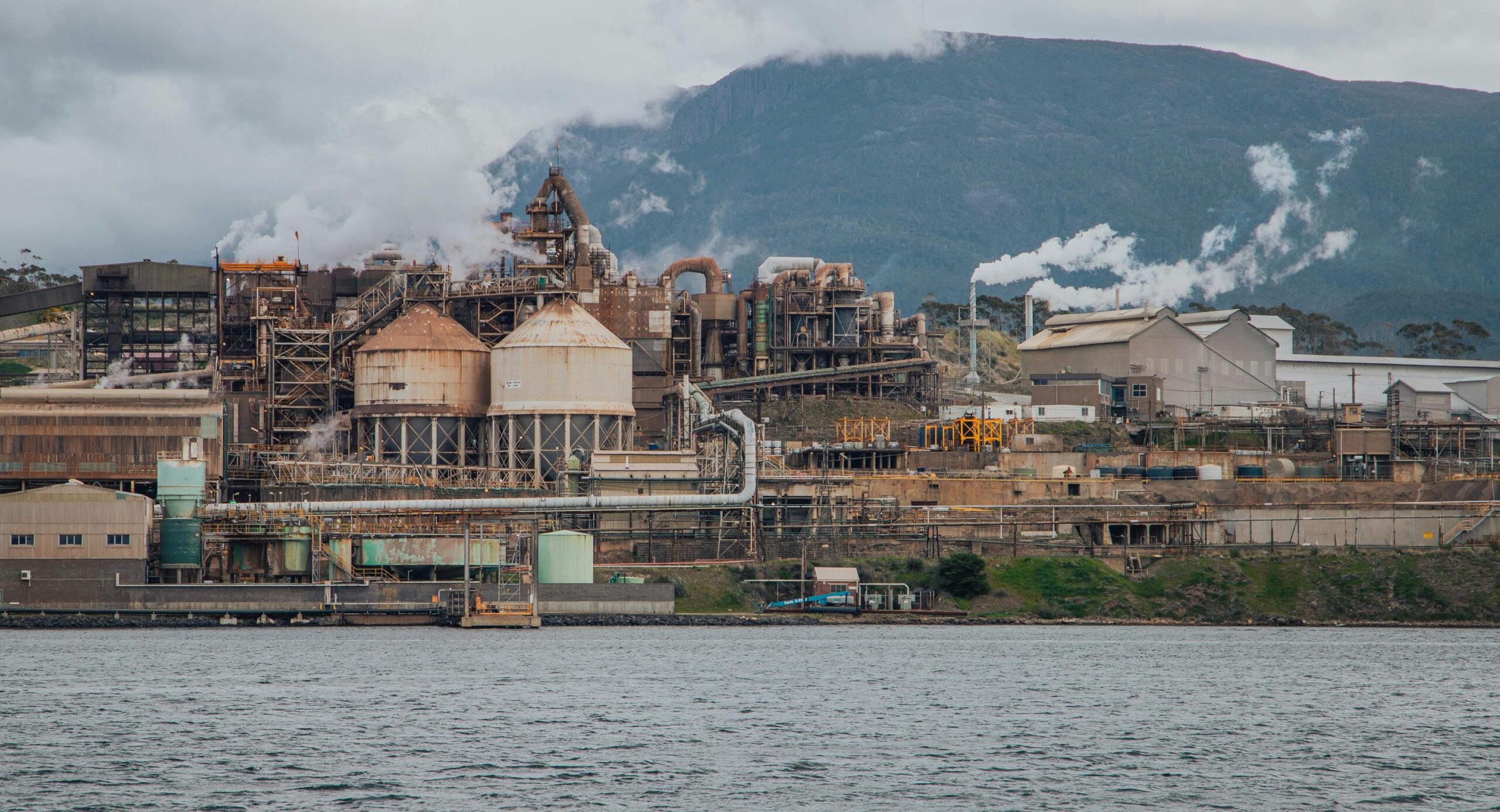
Environmental regulations are reshaping industries worldwide, driving innovation and accountability while creating a sustainable framework for future generations to thrive and prosper.

🌍 The Revolutionary Power of Environmental Policy
The global landscape of environmental protection has undergone a dramatic transformation over the past several decades. What once seemed like optional corporate responsibility has evolved into mandatory compliance frameworks that dictate how businesses operate, manufacture products, and interact with natural resources. Environmental regulations represent more than bureaucratic red tape; they embody society’s collective commitment to preserving our planet while maintaining economic vitality.
These regulatory frameworks have proven instrumental in reversing environmental degradation that characterized the industrial revolution’s aftermath. From the Clean Air Act in the United States to the European Union’s comprehensive environmental directives, governments worldwide have established sophisticated systems that balance economic growth with ecological preservation. The results speak volumes: cleaner waterways, reduced air pollution, protected biodiversity, and innovative technologies that make sustainability profitable.
The journey toward comprehensive environmental regulation wasn’t straightforward. It required mounting scientific evidence, public pressure, environmental disasters that served as wake-up calls, and visionary leadership willing to prioritize long-term planetary health over short-term economic gains. Today, we stand at a critical juncture where environmental regulations aren’t just protecting nature—they’re actively shaping markets, driving innovation, and creating entirely new economic sectors focused on sustainability.
📋 How Regulations Transform Industrial Practices
Environmental regulations function through various mechanisms, each designed to modify corporate behavior and reduce ecological footprints. These regulatory approaches have evolved from simple prohibition models to sophisticated market-based incentives that encourage voluntary compliance and continuous improvement.
Command-and-control regulations establish specific standards that industries must meet, such as emission limits, waste disposal requirements, or resource extraction quotas. While sometimes criticized for inflexibility, these regulations provide clear benchmarks and ensure baseline environmental protection across entire industries. They eliminate the competitive disadvantage that environmentally responsible companies might face against less scrupulous competitors.
Market-based instruments represent a more recent regulatory innovation. Carbon pricing mechanisms, tradable pollution permits, and environmental tax systems harness economic incentives to drive behavioral change. These approaches acknowledge that different companies have varying capacities to reduce environmental impact, allowing flexibility while achieving overall environmental goals. The success of cap-and-trade systems in reducing sulfur dioxide emissions demonstrates how market mechanisms can deliver environmental results efficiently.
Key Regulatory Mechanisms Driving Change
- Emission standards limiting pollutants released into air and water
- Extended producer responsibility requiring manufacturers to manage product lifecycle
- Environmental impact assessments mandating pre-approval for major projects
- Resource efficiency standards promoting conservation and circular economy principles
- Disclosure requirements ensuring transparency in environmental performance
- Biodiversity protection measures safeguarding ecosystems and endangered species
💡 Innovation Catalyzed by Regulatory Pressure
Contrary to initial business community fears, environmental regulations have proven to be powerful innovation engines. When compliance becomes mandatory, companies invest resources in developing cleaner technologies, efficient processes, and sustainable alternatives. This phenomenon, known as the Porter Hypothesis, suggests that well-designed environmental regulations stimulate innovation that can enhance competitiveness while benefiting the environment.
The automotive industry exemplifies this dynamic perfectly. Stringent emission standards forced manufacturers to develop hybrid and electric vehicle technologies. Initially resisted as economically unfeasible, these innovations have now become central to automotive industry strategy, creating new market leaders and transforming transportation globally. Companies that embraced regulatory challenges early gained competitive advantages, while those resisting change found themselves struggling to catch up.
Similarly, renewable energy technologies flourished partly due to regulatory frameworks that mandated renewable energy portfolios, provided production subsidies, or taxed carbon emissions. Solar panel efficiency improvements, wind turbine innovations, and battery storage breakthroughs accelerated dramatically once regulatory environments made clean energy economically viable. The result is an energy sector undergoing revolutionary transformation, with renewables becoming cost-competitive with fossil fuels even without subsidies.
🏭 Economic Implications Beyond Compliance Costs
The economic narrative surrounding environmental regulations has shifted dramatically. Early debates focused almost exclusively on compliance costs and potential competitive disadvantages. While these concerns weren’t entirely unfounded, they represented an incomplete picture of environmental regulation’s economic impact.
Modern analysis reveals that environmental regulations generate substantial economic benefits. The pollution control industry itself employs millions globally, encompassing environmental consulting, waste management, remediation services, and clean technology manufacturing. These “green jobs” often provide quality employment opportunities while contributing to environmental improvement.
Healthcare cost reductions represent another significant economic benefit. Air pollution alone causes millions of premature deaths annually and contributes to respiratory diseases, cardiovascular conditions, and cancers that burden healthcare systems enormously. Regulations that reduce pollution deliver measurable health improvements and associated economic savings that often exceed compliance costs substantially.
Economic Benefits of Environmental Regulation
| Benefit Category | Impact Description | Economic Value |
|---|---|---|
| Health Improvements | Reduced pollution-related diseases and mortality | Billions in avoided healthcare costs |
| Innovation & Technology | Development of new sustainable technologies | New markets and competitive advantages |
| Resource Efficiency | Reduced waste and optimized resource use | Lower operational costs and material savings |
| Ecosystem Services | Protection of natural systems providing economic value | Trillions in pollination, water purification, climate regulation |
🌱 The Green Economy Emergence
Environmental regulations have been fundamental in birthing the green economy—a economic paradigm where growth and environmental improvement occur simultaneously rather than in opposition. This transformation represents one of the most significant economic shifts since the industrial revolution, creating opportunities while addressing existential environmental challenges.
The renewable energy sector alone demonstrates the green economy’s potential. Solar and wind industries have experienced exponential growth, driven partly by regulatory frameworks that mandated renewable energy adoption or penalized carbon emissions. These industries now represent major employment sectors, investment opportunities, and technological frontiers that compete favorably with traditional energy on purely economic grounds.
Circular economy principles, promoted through extended producer responsibility regulations and waste reduction mandates, are transforming manufacturing and consumption patterns. Companies increasingly design products for longevity, repairability, and recyclability rather than planned obsolescence. This shift creates new business models around product-as-service, remanufacturing, and material recovery that reduce environmental impact while generating economic value.
🔍 Challenges in Regulatory Implementation
Despite their transformative potential, environmental regulations face implementation challenges that can undermine effectiveness. Regulatory capture, where regulated industries exert undue influence over regulatory processes, can result in weak standards or enforcement loopholes. Maintaining regulatory independence while incorporating legitimate industry expertise remains an ongoing challenge.
International coordination difficulties create another significant obstacle. Environmental problems rarely respect national boundaries, yet regulatory frameworks remain largely national or regional. This misalignment allows pollution havens to emerge where industries relocate to jurisdictions with weaker environmental standards, undermining global environmental goals while creating unfair competitive dynamics.
Enforcement capacity varies dramatically across jurisdictions. Well-crafted regulations prove ineffective without adequate monitoring, inspection, and penalty systems. Resource constraints, corruption, and political interference can all compromise enforcement, particularly in developing countries where environmental protection competes with immediate development pressures.
🚀 Technological Monitoring and Compliance Tools
Technology is revolutionizing how environmental regulations are monitored and enforced. Satellite imagery now tracks deforestation, illegal fishing, and industrial emissions with unprecedented precision. Sensor networks provide real-time air and water quality data, enabling rapid response to pollution events and transparent public information access.
Blockchain technology offers promising applications for supply chain transparency, ensuring products meet environmental standards throughout their lifecycle. Smart contracts could automate compliance verification and penalty assessment, reducing enforcement costs while improving accuracy and consistency.
Artificial intelligence and machine learning algorithms can process vast environmental datasets to identify patterns, predict violations, and optimize inspection resources. These technologies enable more proactive and effective regulatory approaches than traditional periodic inspection systems.
🌐 Global Regulatory Convergence and Climate Action
Climate change has catalyzed unprecedented international regulatory cooperation. The Paris Agreement represents a landmark in global environmental governance, with countries committing to nationally determined contributions toward limiting temperature increases. While implementation varies, this framework establishes universal acknowledgment of climate action necessity and creates accountability mechanisms.
Regional regulatory blocks like the European Union have demonstrated leadership through ambitious climate neutrality targets and comprehensive policy packages. The European Green Deal combines regulatory mandates, carbon pricing, circular economy initiatives, and massive green investment to transform the European economy fundamentally by mid-century.
Regulatory convergence creates opportunities for global environmental standards that level competitive playing fields while maximizing environmental protection. International cooperation on issues like ozone depletion through the Montreal Protocol proves that coordinated regulatory action can successfully address global environmental challenges.
💼 Corporate Sustainability Beyond Compliance
Progressive companies increasingly view environmental regulations as minimum standards rather than aspirational goals. Corporate sustainability initiatives often exceed regulatory requirements, driven by stakeholder expectations, brand value considerations, and recognition that environmental responsibility aligns with long-term business success.
Environmental, Social, and Governance (ESG) criteria have become central to investment decisions, with trillions in assets managed according to sustainability principles. This shift means companies with strong environmental performance attract capital more easily and at lower costs, creating powerful market incentives that complement regulatory mandates.
Supply chain pressure represents another beyond-compliance driver. Major corporations increasingly require suppliers to meet environmental standards exceeding local regulations, effectively extending stringent standards globally through contractual requirements rather than government mandates.
🔮 Future Directions in Environmental Regulation
Environmental regulation continues evolving to address emerging challenges and incorporate new understanding. Nature-based solutions are gaining regulatory recognition, with frameworks that protect and restore ecosystems rather than focusing exclusively on pollution control. Wetland protection, reforestation incentives, and marine protected areas represent this regulatory evolution.
Circular economy regulations will likely intensify, moving beyond waste management toward comprehensive product lifecycle regulation. Right-to-repair laws, mandatory recycled content standards, and bans on single-use products signal this regulatory direction.
Climate adaptation regulations will become increasingly important as climate change impacts intensify. Building codes accounting for extreme weather, infrastructure resilience requirements, and land-use regulations addressing flood and fire risks will complement mitigation-focused regulations.
✨ Empowering Individual Action Within Regulatory Frameworks
While environmental regulations primarily target industries and governments, they create frameworks within which individual actions gain amplified impact. Consumer choices supporting environmentally responsible companies reinforce regulatory incentives and accelerate sustainable transitions. Political engagement supporting strong environmental standards ensures regulations reflect societal environmental priorities.
Community-level initiatives can complement regulatory frameworks, addressing local environmental concerns through grassroots action while providing feedback that improves regulatory design. Local air quality monitoring, watershed protection groups, and urban greening projects demonstrate how individual engagement strengthens environmental governance.
Educational efforts that increase environmental literacy enable more informed participation in democratic processes that shape regulatory frameworks. Understanding environmental challenges, regulatory mechanisms, and sustainable alternatives empowers citizens to contribute meaningfully to environmental policy development and implementation.

🎯 Building Momentum Toward Sustainable Transformation
Environmental regulations have already achieved remarkable successes in reversing environmental degradation and driving sustainable innovation. The ozone layer is recovering due to regulatory action phasing out harmful substances. Air and water quality have improved dramatically in regulated regions. Endangered species have been pulled back from extinction through protective regulations.
Yet enormous challenges remain. Climate change demands unprecedented regulatory ambition and coordination. Biodiversity loss continues at alarming rates despite existing protections. Plastic pollution, chemical contamination, and resource depletion require enhanced regulatory responses informed by scientific understanding and committed to long-term sustainability.
The path forward requires strengthening existing regulatory frameworks, improving enforcement capacity, fostering international cooperation, and maintaining political will despite inevitable resistance. It demands recognizing that environmental protection and economic prosperity aren’t competing goals but interdependent imperatives. The regulations we implement today will determine whether future generations inherit a thriving planet or a degraded environment that constrains possibilities and diminishes quality of life.
Environmental regulations represent humanity’s collective decision to prioritize long-term planetary health alongside immediate economic considerations. They embody our recognition that markets alone cannot adequately value ecosystem services, account for intergenerational equity, or prevent commons tragedies. Through thoughtful regulatory design, robust enforcement, and continuous improvement informed by scientific advancement, we can drive the transformative change necessary for a sustainable, prosperous future that honors both human development needs and ecological imperatives.