
Technology adoption has become the cornerstone of modern progress, reshaping how we innovate, work, and live our daily lives in unprecedented ways.

🚀 The Digital Revolution Reshaping Our World
We stand at a pivotal moment in human history where technology adoption isn’t just changing isolated aspects of our existence—it’s fundamentally transforming the entire fabric of society. From artificial intelligence automating complex tasks to smartphones connecting billions of people instantaneously, the pace of technological integration has accelerated beyond what previous generations could have imagined. This transformation isn’t merely about having newer gadgets; it represents a profound shift in how we approach problems, create solutions, and interact with the world around us.
The relationship between technology adoption and innovation creates a powerful feedback loop. As more individuals and organizations embrace new technologies, they unlock capabilities that were previously impossible, which in turn sparks further innovation. This cycle has compressed decades of progress into years, fundamentally altering the timeline of human advancement. Understanding this dynamic is crucial for anyone looking to thrive in tomorrow’s world.
📊 Productivity Revolution: Working Smarter, Not Harder
The impact of technology adoption on productivity cannot be overstated. Modern tools have eliminated countless hours of repetitive work, allowing human talent to focus on creative and strategic tasks that require emotional intelligence and complex problem-solving. Cloud computing platforms enable teams scattered across continents to collaborate as if they were in the same room, breaking down geographical barriers that once limited business operations.
Consider the evolution of project management. What once required physical boards, countless meetings, and stacks of paperwork can now be managed through intuitive digital platforms that provide real-time updates, automated workflows, and data-driven insights. Professionals today accomplish in hours what would have taken weeks just two decades ago, and this efficiency gain ripples through entire economies.
Automation and Human Potential
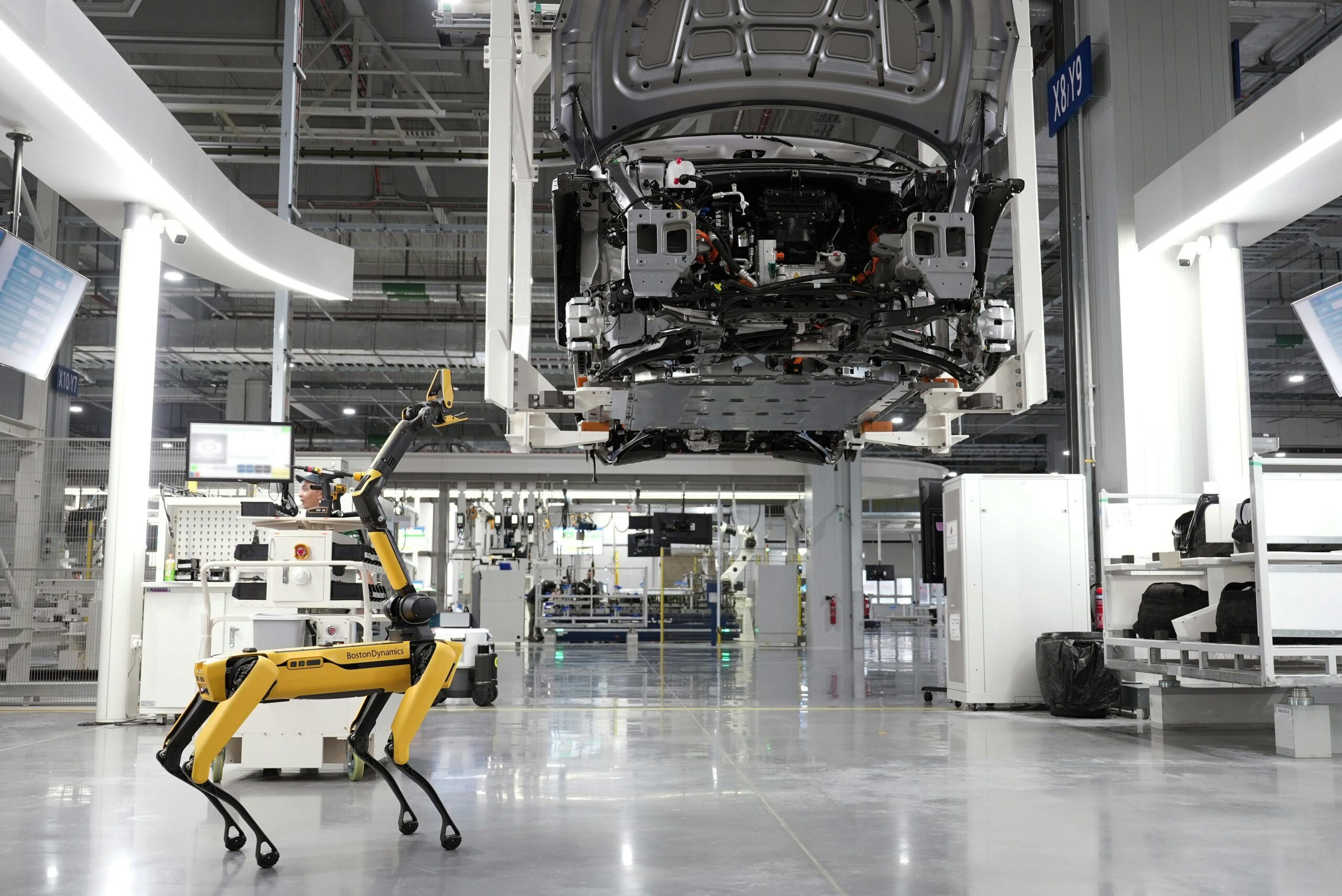
Automation technology has emerged as one of the most transformative forces in the productivity landscape. Rather than replacing human workers entirely, sophisticated automation tools are augmenting human capabilities, handling mundane tasks while freeing people to engage in higher-value activities. Manufacturing facilities use robotics for precision tasks while human workers oversee quality control and process optimization. Customer service departments deploy chatbots for routine inquiries, allowing human agents to handle complex situations requiring empathy and nuanced understanding.
This shift demands a reevaluation of skill development. The workers who thrive in tomorrow’s economy will be those who can effectively collaborate with technology, leveraging automated systems to enhance their output rather than competing against them. Digital literacy has transitioned from being a specialized skill to a fundamental requirement across virtually all industries.
💡 Innovation Accelerators: How Technology Breeds Breakthrough Ideas
Technology adoption doesn’t just enable innovation—it actively accelerates the innovative process itself. Digital prototyping tools allow designers to test hundreds of iterations in the time it once took to create a single physical prototype. Data analytics platforms reveal patterns and insights that would remain hidden in traditional analysis methods, opening doors to discoveries that might otherwise take years to uncover.
The democratization of innovation tools represents another paradigm shift. Advanced capabilities that once required massive capital investments are now accessible to small teams and individual entrepreneurs through cloud services and subscription models. A startup operating from a garage can access computing power that rivals what only Fortune 500 companies could afford a generation ago, leveling the playing field and fostering a more dynamic innovation ecosystem.
Cross-Pollination of Ideas
Technology platforms have created unprecedented opportunities for cross-industry innovation. Online communities, open-source repositories, and collaborative networks allow ideas to flow freely across traditional boundaries. A solution developed for healthcare might inspire a breakthrough in logistics; a gaming technology could revolutionize education. This interconnectedness accelerates the pace of innovation by allowing successful concepts to be rapidly adapted and applied in new contexts.
The role of artificial intelligence and machine learning in driving innovation deserves special attention. These technologies can analyze vast datasets to identify opportunities, predict trends, and even generate novel solutions that human researchers might not conceive. While human creativity remains irreplaceable, AI serves as a powerful amplifier, expanding the boundaries of what’s possible and accelerating the journey from concept to reality.
🏠 Everyday Life Transformed: The Personal Technology Revolution
The impact of technology adoption extends far beyond boardrooms and laboratories—it has fundamentally altered the texture of daily life for billions of people. Smart home devices learn our preferences and adjust environments automatically, creating personalized comfort while reducing energy consumption. Mobile applications consolidate functions that once required multiple specialized devices, placing unprecedented capability in our pockets.
Communication has been revolutionized in ways that reshape human relationships. Video calling technology maintains connections across vast distances, allowing families to share moments despite physical separation. Social media platforms create communities based on shared interests rather than geographic proximity, expanding our social circles while also presenting new challenges around digital well-being and authentic connection.
Health and Wellness in the Digital Age
Healthcare technology adoption represents one of the most significant improvements to everyday life. Wearable fitness trackers monitor vital signs continuously, providing early warnings about potential health issues and motivating healthier lifestyle choices. Telemedicine platforms expand access to medical expertise, particularly benefiting those in remote areas or with mobility limitations. Mental health applications provide resources and support that help individuals manage stress, anxiety, and other challenges more effectively.
The integration of technology into health management empowers individuals with knowledge and tools that were once available only through medical professionals. People can now track detailed metrics about their sleep patterns, activity levels, and nutritional intake, making informed decisions about their well-being based on personalized data rather than generic guidelines.
🌐 Connectivity and the Global Village
Perhaps no aspect of technology adoption has been more transformative than the creation of global connectivity. The internet has woven humanity into an interconnected network where information, ideas, and culture flow across borders instantaneously. This connectivity has created economic opportunities for individuals in developing nations, enabled remote work arrangements that were unimaginable a generation ago, and facilitated the rapid spread of knowledge and innovation.
E-commerce platforms have democratized access to global markets, allowing small businesses to reach customers worldwide without the infrastructure requirements that once made international trade the domain of large corporations. Educational resources from the world’s leading institutions are available to anyone with an internet connection, potentially revolutionizing how knowledge is distributed and reducing educational inequality.
Challenges of Hyperconnectivity
However, this constant connectivity presents challenges alongside its benefits. Digital overload has become a recognized phenomenon, with many individuals struggling to maintain work-life boundaries when professional communications can reach them anywhere, anytime. The always-on culture enabled by smartphones and mobile internet requires conscious management to prevent burnout and preserve mental health.
Privacy concerns have also emerged as a critical issue in our hyperconnected world. The same technologies that enable convenience and personalization also generate massive amounts of data about our behaviors, preferences, and movements. Balancing the benefits of technological adoption with the protection of personal privacy represents one of the defining challenges of our era.
🎓 Education Reimagined Through Technology
The education sector has experienced a profound transformation through technology adoption, fundamentally changing how knowledge is transmitted and acquired. Interactive learning platforms adapt to individual student needs, providing personalized instruction that addresses specific strengths and weaknesses. Virtual reality experiences bring abstract concepts to life, allowing students to explore historical events, conduct virtual science experiments, or visualize complex mathematical relationships in three-dimensional space.
The COVID-19 pandemic accelerated education technology adoption by necessity, demonstrating both the potential and limitations of digital learning environments. While nothing fully replaces the benefits of in-person instruction, hybrid models combining traditional and technological approaches have emerged as powerful educational tools that offer flexibility while maintaining quality.
💼 The Future of Work: Adapting to Technological Change
Technology adoption has fundamentally restructured the nature of work itself. Remote work technologies have proven that physical presence in an office isn’t necessary for many roles, leading organizations to reconsider traditional workplace models. This shift offers tremendous benefits in terms of flexibility, reduced commuting time, and access to global talent pools, while also presenting challenges around team cohesion and organizational culture.
The gig economy, enabled by digital platforms, has created new forms of work arrangement that offer flexibility but also raise questions about job security and worker protections. Freelancers can now access opportunities worldwide, building careers that weren’t possible in previous eras, yet they often lack the stability and benefits associated with traditional employment.
Reskilling for Tomorrow
As technology continues to evolve, the importance of continuous learning has never been greater. Workers across all industries must embrace lifelong learning to remain relevant as automation and artificial intelligence reshape job requirements. Online learning platforms provide accessible pathways for acquiring new skills, but individuals must take proactive responsibility for their professional development in ways that previous generations didn’t face.
Organizations also bear responsibility for supporting their workforce through technological transitions. Forward-thinking companies invest in comprehensive training programs that help employees adapt to new tools and processes, recognizing that human capital remains their most valuable asset even as technology becomes increasingly central to operations.
🌱 Sustainability and Technology: Building a Better Tomorrow
Technology adoption plays a crucial role in addressing environmental challenges. Smart grid systems optimize energy distribution, reducing waste and facilitating the integration of renewable energy sources. Precision agriculture technologies minimize water usage and pesticide application while maximizing crop yields, helping feed growing populations with reduced environmental impact. Electric vehicles and improvements in battery technology are transforming transportation, reducing emissions and dependence on fossil fuels.
Data analytics and artificial intelligence enable better environmental monitoring and prediction, allowing societies to respond more effectively to climate challenges. From tracking deforestation through satellite imagery to predicting extreme weather events with greater accuracy, technology provides tools essential for environmental stewardship in the 21st century.
🔮 Navigating the Path Forward
The transformation driven by technology adoption continues to accelerate, presenting both extraordinary opportunities and significant challenges. Success in tomorrow’s world requires more than simply acquiring the latest devices—it demands thoughtful integration of technology in ways that enhance human capabilities while preserving what makes us fundamentally human.
Digital literacy must become universal, not as an end in itself but as a foundational skill that enables participation in modern society. Critical thinking remains essential, perhaps more so than ever, as individuals navigate information abundance and distinguish valuable insights from noise. Emotional intelligence, creativity, and ethical reasoning—distinctly human capabilities—become increasingly valuable as technical tasks become automated.
Balancing Progress with Humanity
As we embrace technological advancement, maintaining focus on human-centered values remains crucial. Technology should serve humanity’s needs rather than dictating them. This requires conscious choices about which technologies we adopt, how we implement them, and what boundaries we establish to protect individual well-being and social cohesion.
The digital divide remains a significant concern, with unequal access to technology perpetuating and potentially exacerbating existing inequalities. Ensuring that the benefits of technology adoption reach all segments of society, not just privileged groups, represents both a moral imperative and a practical necessity for creating stable, prosperous societies.
🌟 Embracing the Transformed Tomorrow
The impact of technology adoption on innovation, productivity, and everyday life has been nothing short of revolutionary. We’ve witnessed the compression of what once took decades into mere years, the democratization of capabilities once reserved for elites, and the creation of possibilities that previous generations relegated to science fiction. This transformation continues to unfold, accelerating in ways that challenge our ability to predict what comes next.
Yet amid this rapid change, fundamental human needs remain constant. We seek connection, purpose, security, and the opportunity to contribute meaningfully to our communities. The most successful technology adoption strategies will be those that enhance our ability to meet these timeless needs rather than distracting from them. By maintaining this human-centered perspective while embracing technological capability, we can shape a tomorrow that represents genuine progress—not just in technical sophistication, but in quality of life, opportunity, and human flourishing.
The journey of technological transformation is far from complete. Each innovation opens new possibilities while presenting fresh challenges. Those who approach this future with curiosity, adaptability, and a commitment to using technology as a tool for positive impact will be best positioned to thrive. The tomorrow being transformed by today’s technology adoption holds tremendous promise—if we navigate it wisely, maintaining our humanity while leveraging the extraordinary tools at our disposal.