Population density isn’t just a statistic—it’s a powerful force that shapes how we live, work, interact, and thrive in our communities.

From bustling metropolises where millions navigate crowded streets to sparse rural areas where neighbors live miles apart, the concentration of people in a given area fundamentally transforms the social, economic, and environmental fabric of our lives. Understanding this relationship between space and population offers critical insights into urban planning, public health, sustainability, and the future of human civilization.
As the global population continues to grow and urbanization accelerates, examining how crowded spaces influence our daily experiences becomes increasingly important. Whether you’re a city planner, business owner, or simply someone curious about the forces shaping modern life, grasping the nuances of population density reveals patterns that affect everything from housing costs to mental health, from transportation systems to cultural innovation.
🏙️ Defining Population Density: More Than Just Numbers
Population density refers to the number of people living within a specific unit of area, typically measured per square kilometer or square mile. While this mathematical definition seems straightforward, the real-world implications are remarkably complex and multifaceted.
High-density areas concentrate large numbers of people in relatively small spaces—think Manhattan, Tokyo, or Mumbai. These environments create unique challenges and opportunities that differ dramatically from low-density suburban or rural settings. The threshold for what constitutes “high density” varies globally, influenced by cultural norms, geographic constraints, and historical development patterns.
Moderate-density communities strike a balance between urban intensity and suburban spaciousness, often featuring mixed-use developments that combine residential, commercial, and recreational spaces. These areas are increasingly popular among planners seeking sustainable growth models that provide urban amenities without overwhelming infrastructure.
The Social Dynamics of Crowded Communities 🤝
Population density profoundly influences how people interact with each other and form social bonds. In densely populated neighborhoods, the sheer proximity of residents creates both opportunities for connection and potential for friction.
Research consistently shows that high-density environments tend to foster greater diversity of social interactions. You’re more likely to encounter people from different backgrounds, professions, and cultures when thousands of individuals share relatively confined spaces. This diversity can stimulate creativity, broaden perspectives, and create vibrant cultural scenes.
However, the paradox of urban loneliness also emerges in crowded spaces. Despite being surrounded by people, individuals in high-density areas sometimes report feeling more isolated than their rural counterparts. The anonymity that comes with large populations can erode traditional community bonds, leading to what sociologists call “social atomization.”
Building Community in High-Density Settings
Successful dense communities often incorporate specific design features that encourage positive social interaction while respecting privacy needs. Public parks, community centers, pedestrian-friendly streets, and mixed-use developments create natural gathering points where neighbors can connect organically.
The concept of “third places”—spaces that aren’t home or work but serve as social anchors—becomes particularly important in crowded environments. Coffee shops, libraries, community gardens, and public plazas provide essential venues for building the social capital that makes high-density living fulfilling rather than overwhelming.
Economic Implications: The Density Dividend 💰
Population density creates significant economic advantages that explain why cities continue to attract people despite higher costs and other challenges. The agglomeration effect—where businesses and workers benefit from proximity to each other—drives innovation and productivity in ways that dispersed populations cannot replicate.
Dense urban centers support specialized services and businesses that require large customer bases to remain viable. From niche restaurants and specialty retailers to professional services and entertainment venues, economic diversity flourishes where population concentration creates sufficient demand.
Labor markets in high-density areas offer advantages for both employers and workers. Companies access larger talent pools, while workers enjoy more job opportunities and career mobility without relocating. This dynamic creates competitive employment markets that often drive higher wages, though these gains may be offset by increased living costs.
The Cost of Crowding: Housing and Affordability
The economic benefits of density come with significant trade-offs, most notably in housing costs. In desirable high-density areas, competition for limited space drives property values and rents to levels that strain household budgets and exacerbate inequality.
This affordability crisis forces difficult conversations about urban planning priorities. Should cities focus on preserving neighborhood character, or prioritize increasing housing supply through denser development? These debates reflect fundamental tensions between existing residents’ preferences and the needs of growing populations seeking urban opportunities.
🚇 Infrastructure and Service Delivery in Dense Environments
Population density fundamentally alters the economics and logistics of providing essential services. High-density areas can support infrastructure investments that would be economically impractical in dispersed communities.
Public transportation systems exemplify this principle. Subway networks, bus rapid transit, and light rail require substantial ridership to justify their costs. Dense urban cores generate the passenger volumes needed to make these systems financially viable and operationally efficient, reducing dependence on private vehicles.
Similarly, utilities like water, electricity, and internet infrastructure become more cost-effective per capita when serving concentrated populations. The shorter distances between users reduce transmission losses and maintenance costs, enabling providers to deliver services more efficiently than in sprawling areas.
Challenges of Overcrowding Infrastructure
When population growth outpaces infrastructure development, crowded spaces experience significant strain. Overcrowded transit systems, traffic congestion, inadequate water supply, and overwhelmed waste management systems create quality-of-life issues that undermine density’s potential benefits.
Planning for adequate infrastructure requires long-term vision and substantial investment—resources that many cities struggle to secure. The result is often a reactive approach where problems must reach crisis levels before receiving attention, rather than proactive planning that anticipates growth.
Health Considerations in High-Density Living 🏥
The relationship between population density and public health is complex and multifaceted, with both positive and negative dimensions that vary based on specific circumstances and planning approaches.
Dense urban environments can support healthcare infrastructure that includes specialized medical centers, numerous clinics, and emergency services with faster response times. The concentration of patients also attracts medical professionals and facilitates research institutions, creating centers of medical excellence.
Walkable high-density neighborhoods encourage physical activity through everyday routines. When destinations are close together and pedestrian infrastructure is well-developed, residents naturally incorporate more movement into their daily lives compared to car-dependent suburban areas.
Disease Transmission and Mental Health
Conversely, crowded conditions can facilitate disease transmission, as recent pandemic experiences have starkly illustrated. Respiratory illnesses spread more readily when people live in close quarters and share public spaces. This vulnerability necessitates robust public health systems and emergency preparedness planning.
Mental health impacts of density vary considerably based on individual preferences and circumstances. Some people thrive on urban energy and constant stimulation, while others experience stress from noise, lack of privacy, and sensory overload. Access to green spaces and quiet retreats becomes crucial for psychological wellbeing in dense settings.
🌱 Environmental Footprints: Density and Sustainability
From an environmental perspective, population density presents a fascinating paradox. While crowded cities may seem less “natural” than rural areas, they often demonstrate greater per-capita environmental efficiency.
Urban residents in dense areas typically have smaller carbon footprints than their suburban counterparts. Apartment living requires less energy for heating and cooling than detached homes. Shorter travel distances and viable public transit options reduce transportation emissions. Shared infrastructure serves more people with fewer resources.
Dense development also preserves open space by containing growth within smaller geographic footprints. Rather than sprawling across the landscape, compact cities leave more land available for agriculture, wilderness, and ecosystem preservation.
Urban Heat Islands and Environmental Challenges
Despite these advantages, dense urban areas face specific environmental challenges. The urban heat island effect concentrates heat through extensive pavement and building surfaces, creating temperatures significantly higher than surrounding areas. This phenomenon increases energy demand for cooling and poses health risks during heat waves.
Air quality concerns also intensify in dense areas where vehicle emissions, industrial activity, and building operations concentrate pollutants. Mitigating these impacts requires stringent regulations, green infrastructure, and continuous innovation in urban environmental management.
Cultural Vibrancy and Creative Communities 🎨
Throughout history, dense urban centers have served as crucibles of cultural innovation and artistic expression. The concentration of diverse people with varied perspectives creates fertile ground for creative collaboration and cultural exchange.
Cities offer critical mass for arts venues, performance spaces, galleries, and cultural institutions that require substantial audiences to thrive. They also provide informal creative ecosystems where artists, musicians, writers, and innovators can find communities of practice, collaborators, and audiences for experimental work.
The “scene” dynamics that emerge in dense creative neighborhoods—from jazz-age Harlem to 1960s San Francisco to contemporary Brooklyn—demonstrate how spatial concentration amplifies cultural movements. Proximity enables rapid idea exchange, collective identity formation, and the emergence of distinctive artistic styles.
🏘️ Planning for Human-Centered Density
The challenges and opportunities of population density underscore the critical importance of thoughtful urban planning that prioritizes human wellbeing alongside economic and environmental considerations.
Successful high-density developments incorporate principles of human-scale design that maintain comfort despite population concentration. This includes adequate daylight, access to nature, visual interest at eye level, and spaces designed for human interaction rather than just efficient circulation.
Mixed-use zoning that combines residential, commercial, and recreational functions within walkable distances creates “complete communities” where daily needs can be met without extensive travel. This approach reduces transportation burden while fostering vibrant street life and economic vitality.
Inclusive Density: Avoiding Displacement
Densification strategies must address equity concerns to avoid displacing existing residents through gentrification. Affordable housing mandates, community land trusts, rent stabilization, and inclusive planning processes help ensure that density benefits existing communities rather than simply replacing them with wealthier newcomers.
Meaningful community engagement in planning processes ensures that density increases reflect local needs and preferences rather than imposed top-down visions. This participatory approach builds support for necessary changes while preserving community character and social networks.
Technology’s Role in Managing Crowded Spaces 📱
Digital technologies increasingly help cities manage the complexities of high population density. Smart city initiatives leverage data and connectivity to optimize service delivery, reduce congestion, and improve quality of life.
Real-time information systems help residents navigate crowded environments more efficiently. Transit apps provide live updates on arrival times and crowding levels, while navigation apps route around congestion. Parking apps reduce time circling for spots, decreasing traffic and emissions.
Digital platforms also facilitate resource sharing that makes dense living more sustainable and affordable. From ride-sharing and bike-sharing to co-working spaces and community tool libraries, technology enables more efficient use of limited urban resources.
🌍 Global Perspectives on Density
Cultural attitudes toward population density vary dramatically across the globe, shaped by historical development patterns, geographic constraints, and social values. What feels unbearably crowded in one context may seem comfortably social in another.
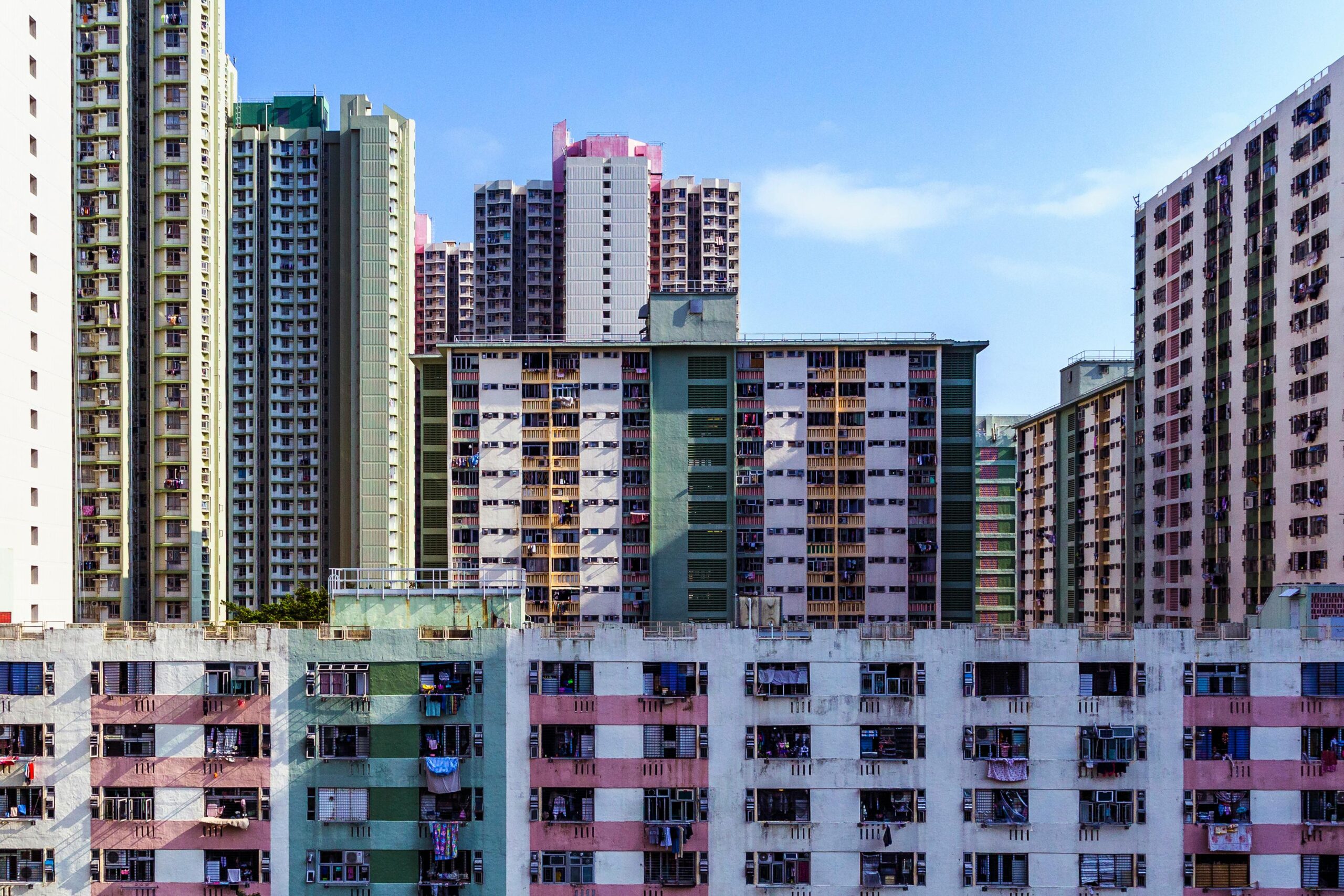
Asian megacities like Tokyo, Seoul, and Singapore have developed sophisticated approaches to ultra-high-density living, creating efficient, livable environments despite population concentrations that would overwhelm many Western cities. These models offer valuable lessons as urbanization accelerates globally.
European cities often demonstrate “medium-density” approaches that achieve urban vibrancy and walkability without extreme high-rise development. Their historic neighborhoods show how thoughtful design can create density that feels intimate rather than overwhelming.
Looking Forward: The Future of Dense Communities 🔮
As global population continues growing and urbanization accelerates, understanding and managing population density becomes increasingly critical. Climate change, resource constraints, and economic pressures will likely drive continued movement toward denser settlement patterns.
Emerging technologies from vertical farming to advanced transit systems promise new approaches to density challenges. Meanwhile, lessons learned from pandemic experiences are reshaping thinking about public space, ventilation, flexibility, and resilience in dense environments.
The communities that thrive will be those that thoughtfully balance density’s advantages with attention to human needs for nature, privacy, and meaningful connection. Success requires moving beyond viewing density as simply a numbers game to understanding it as a complex interplay of physical design, social dynamics, economic systems, and environmental stewardship.
Ultimately, population density is neither inherently good nor bad—it’s a powerful force that can be shaped through intentional choices about how we design, govern, and inhabit our shared spaces. By understanding these dynamics deeply, we can create denser communities that enhance rather than diminish quality of life, proving that living closer together can bring out the best in human society.