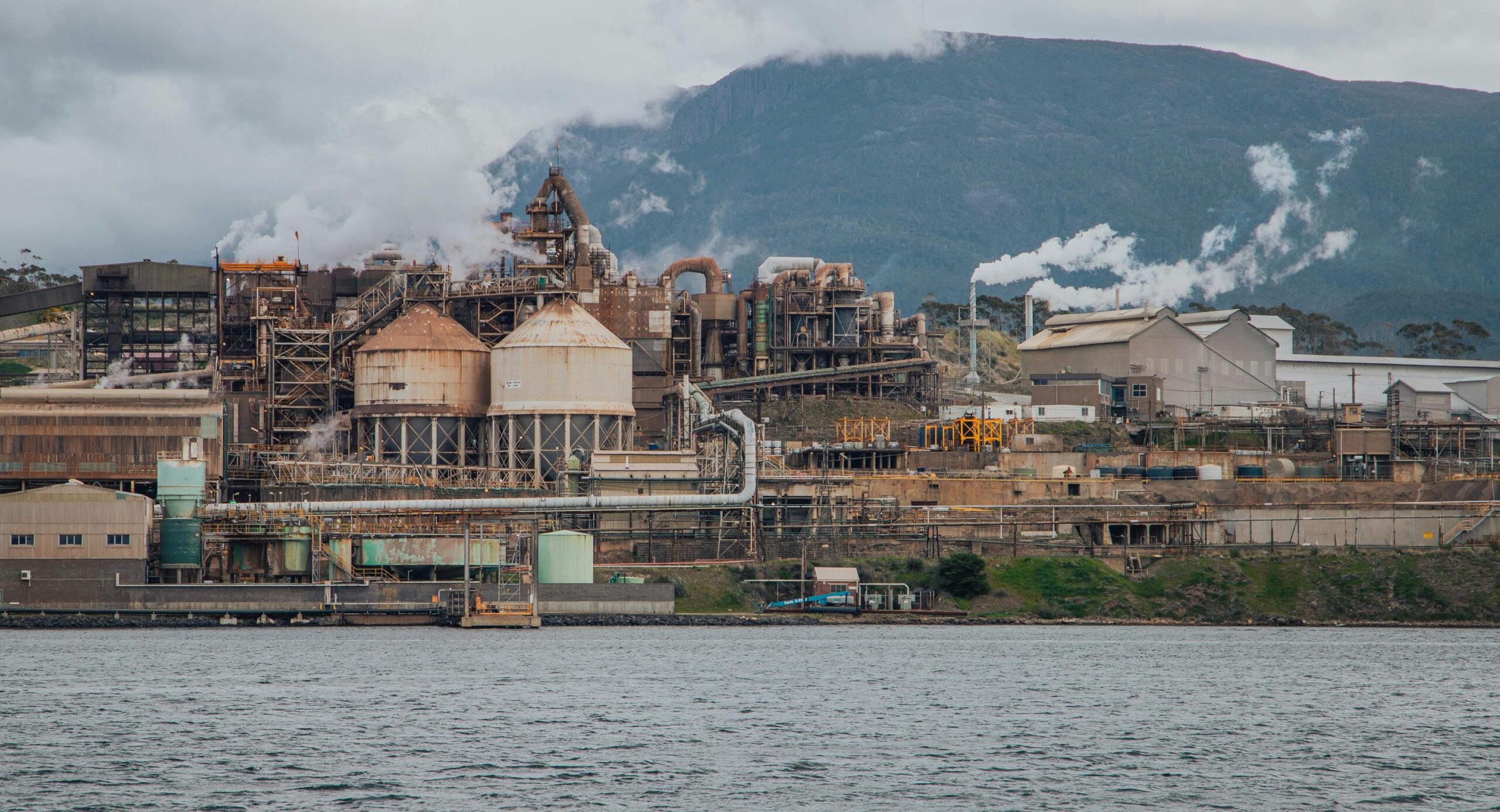
Urban resilience has become the cornerstone of modern city planning, defining how communities survive, adapt, and thrive amid unprecedented environmental, social, and economic challenges.

Cities worldwide face mounting pressures from climate change, population growth, resource scarcity, and social inequality. The concept of urban resilience offers a framework for understanding and measuring how cities can withstand shocks and stresses while maintaining essential functions. Building stronger, more resilient cities requires comprehensive indicators that guide policy-making, infrastructure investment, and community engagement toward sustainable futures.
This guide explores the essential urban resilience indicators that city planners, policymakers, and citizens need to understand. From environmental metrics to social cohesion measurements, these indicators provide the roadmap for creating cities capable of facing tomorrow’s challenges while improving quality of life today.
🏙️ Understanding Urban Resilience in the Modern Context
Urban resilience extends beyond disaster preparedness. It encompasses a city’s capacity to maintain critical systems, adapt to changing conditions, and transform itself when necessary. Resilient cities demonstrate flexibility in governance, diversity in economic opportunities, and redundancy in critical infrastructure systems.
The framework for measuring urban resilience has evolved significantly over the past decade. Early approaches focused primarily on physical infrastructure and emergency response capabilities. Contemporary models recognize that true resilience integrates environmental sustainability, social equity, economic vitality, and institutional effectiveness.
Cities like Copenhagen, Singapore, and Rotterdam have emerged as global leaders in resilience planning. Their success stems from comprehensive indicator systems that monitor performance across multiple dimensions simultaneously, enabling data-driven decision-making and adaptive management strategies.
Environmental Indicators: The Foundation of Sustainable Urban Systems
Environmental resilience indicators measure a city’s relationship with natural systems and its capacity to manage resources sustainably. These metrics form the foundation upon which all other resilience factors depend.
Climate Adaptation and Mitigation Metrics
Carbon emissions per capita remain a critical indicator of urban environmental performance. Cities committed to resilience track greenhouse gas emissions across sectors including transportation, buildings, and industry. Reduction targets aligned with international climate agreements provide benchmarks for progress.
Green infrastructure coverage measures the percentage of urban area dedicated to parks, urban forests, green roofs, and permeable surfaces. These spaces provide essential ecosystem services including stormwater management, urban heat island mitigation, and biodiversity support. Leading cities maintain at least 30% green space coverage.
Air quality indices monitor particulate matter, nitrogen dioxide, and other pollutants affecting public health. Cities with robust monitoring networks can identify pollution hotspots and implement targeted interventions to protect vulnerable populations.
Water Security and Management
Water availability per capita indicates whether current supplies can meet population needs during normal conditions and drought periods. Resilient cities diversify water sources through rainwater harvesting, greywater recycling, and desalination where appropriate.
Stormwater management capacity measures infrastructure’s ability to handle extreme precipitation events without flooding. This includes both grey infrastructure like drainage systems and green solutions such as bioswales and retention ponds.
Water quality indicators track contaminant levels in drinking water and natural water bodies. Consistent monitoring ensures early detection of pollution events and informs remediation efforts.
Social Resilience Indicators: Building Connected Communities 🤝
Social resilience reflects the strength of community bonds, equity in resource distribution, and population health. These indicators reveal whether cities create conditions for all residents to thrive.
Community Cohesion and Civic Engagement
Voter participation rates and community organization membership indicate civic engagement levels. Cities with active citizens demonstrate greater capacity for collective action during crises and more effective advocacy for community needs.
Social trust indices measure confidence in neighbors, institutions, and public services. High trust levels correlate with faster disaster recovery, lower crime rates, and more effective public health interventions.
Diversity and inclusion metrics assess representation across ethnic, cultural, and socioeconomic groups in decision-making processes. Equitable representation ensures resilience strategies address all community segments.
Health and Wellbeing Measurements
Life expectancy and healthy life years indicate overall population health. Disparities between neighborhoods highlight equity gaps requiring targeted interventions.
Healthcare access measures the percentage of residents within reasonable distance of primary care facilities and emergency services. Resilient cities ensure universal access regardless of location or income.
Mental health indicators track stress levels, depression rates, and access to mental health services. Urban environments significantly impact psychological wellbeing, making these metrics increasingly important.
Economic Resilience: Diversification and Opportunity 💼
Economic resilience indicators evaluate a city’s capacity to maintain prosperity during disruptions and provide opportunities for all residents.
Economic Diversity and Stability
Industry diversification indices measure concentration across economic sectors. Cities overly dependent on single industries face greater vulnerability to sector-specific shocks. Balanced economies demonstrate stronger recovery capacity.
Small business density indicates entrepreneurial activity and economic flexibility. Local businesses often prove more adaptable during crises and contribute significantly to community identity.
Employment rates and job quality metrics assess not just availability of work but also wage levels, benefits, and working conditions. Decent work opportunities form the foundation of household resilience.
Financial Inclusion and Household Stability
Banking access rates measure the percentage of households with formal financial services. Financial inclusion enables savings accumulation, credit access, and insurance coverage that buffer against shocks.
Housing affordability ratios compare median housing costs to median income. When housing consumes excessive household income, families lack resources for other resilience investments like education and healthcare.
Income inequality measures, including Gini coefficients, reveal wealth distribution patterns. Extreme inequality undermines social cohesion and limits overall city resilience regardless of aggregate wealth.
Infrastructure and Built Environment Indicators 🏗️
Physical infrastructure provides the backbone for urban function. Resilience indicators assess both current performance and adaptive capacity.
Critical Infrastructure Reliability
Energy system redundancy measures backup capacity and grid interconnection. Cities with diverse energy sources and distributed generation demonstrate greater supply security.
Transportation network connectivity evaluates route diversity and multimodal integration. Redundant transportation options ensure mobility during disruptions to specific systems.
Communications infrastructure reliability tracks internet access, mobile coverage, and system downtime. Digital connectivity has become essential for economic participation, education, and emergency response.
Building Standards and Adaptation
Building code compliance rates indicate structural safety against hazards like earthquakes, floods, and high winds. Enforcement of modern standards protects lives and reduces economic losses during disasters.
Retrofitting progress measures the percentage of older buildings upgraded to current resilience standards. Legacy infrastructure often represents the greatest vulnerability.
Green building adoption tracks construction meeting sustainability certifications. Energy-efficient buildings reduce operational costs and environmental impacts while improving occupant comfort.
Governance and Institutional Capacity Indicators 📊
Effective governance enables coordinated resilience efforts across sectors and scales. These indicators assess institutional preparedness and responsiveness.
Planning and Policy Frameworks
Comprehensive resilience plan existence and implementation progress demonstrate strategic commitment. Plans should integrate across departments and update regularly based on new information.
Participatory planning processes measure citizen involvement in decision-making. Community input ensures resilience strategies address actual needs and benefit from local knowledge.
Regulatory flexibility indicators assess government capacity to adapt rules during emergencies while maintaining essential protections. Rigid systems may hinder effective response.
Emergency Preparedness and Response
Emergency response time metrics track how quickly services reach incident locations. Rapid response minimizes damage escalation and saves lives.
Disaster drill frequency and participation rates indicate preparedness levels across institutions and communities. Regular exercises identify gaps and build response capacity.
Recovery time objectives for critical services establish targets for restoration following disruptions. Clear objectives enable appropriate investment in backup systems and recovery capabilities.
Implementing Comprehensive Indicator Systems 📱
Collecting and analyzing resilience indicators requires robust data systems and analytical capacity. Modern cities leverage technology to monitor conditions in real-time and project future trends.
Integrated data platforms consolidate information from multiple sources including sensors, surveys, and administrative records. Cloud-based systems enable accessibility across departments and stakeholder groups.
Geographic information systems (GIS) map indicator data spatially, revealing geographic patterns and vulnerabilities. Spatial analysis identifies neighborhoods requiring targeted interventions.
Predictive analytics apply machine learning to historical data, forecasting potential issues before they become critical. Early warning systems enable proactive rather than reactive management.
From Measurement to Action: Translating Indicators into Results 🎯
Indicators provide value only when they inform decision-making and drive improvement. Successful cities establish clear processes connecting measurement to action.
Performance dashboards present key indicators to decision-makers in accessible formats. Visual presentations facilitate rapid comprehension and enable tracking progress toward targets.
Regular reporting cycles ensure indicators receive consistent attention. Quarterly or annual resilience reports maintain focus on long-term objectives amid daily operational demands.
Stakeholder engagement processes share indicator findings with communities and solicit feedback on priorities. Transparency builds trust and enables collaborative problem-solving.
Case Studies: Cities Leading the Resilience Revolution 🌍
Rotterdam’s comprehensive approach to flood resilience combines traditional flood defenses with innovative water storage solutions. The city’s indicator system tracks infrastructure performance, insurance coverage, and community awareness, enabling adaptive management as climate impacts intensify.
Singapore’s Smart Nation initiative integrates resilience indicators into city operations. Sensors throughout the city monitor everything from traffic flow to water quality, feeding data into decision support systems that optimize resource allocation in real-time.
Medellín transformed from one of the world’s most dangerous cities to a resilience leader through investments in social infrastructure. Indicators tracking education access, public space quality, and economic opportunity guided interventions that dramatically improved quality of life.

The Path Forward: Evolving Resilience for Future Challenges
Urban resilience indicators must evolve as cities face new challenges. Emerging issues like artificial intelligence disruption, pandemics, and biotechnology risks require new measurement approaches.
Standardization efforts enable comparison across cities while allowing customization for local contexts. International frameworks like the UN Sustainable Development Goals provide common reference points.
The future of urban resilience lies in holistic approaches recognizing interconnections between environmental, social, economic, and governance dimensions. Cities investing in comprehensive indicator systems position themselves to navigate uncertainty and create sustainable prosperity for all residents.
Building stronger cities requires commitment from leaders, investment in infrastructure and social systems, and ongoing monitoring through robust indicator frameworks. The cities that thrive in coming decades will be those that measure what matters, act on evidence, and continuously adapt to changing conditions. Urban resilience indicators provide the compass for this essential journey toward sustainable futures.