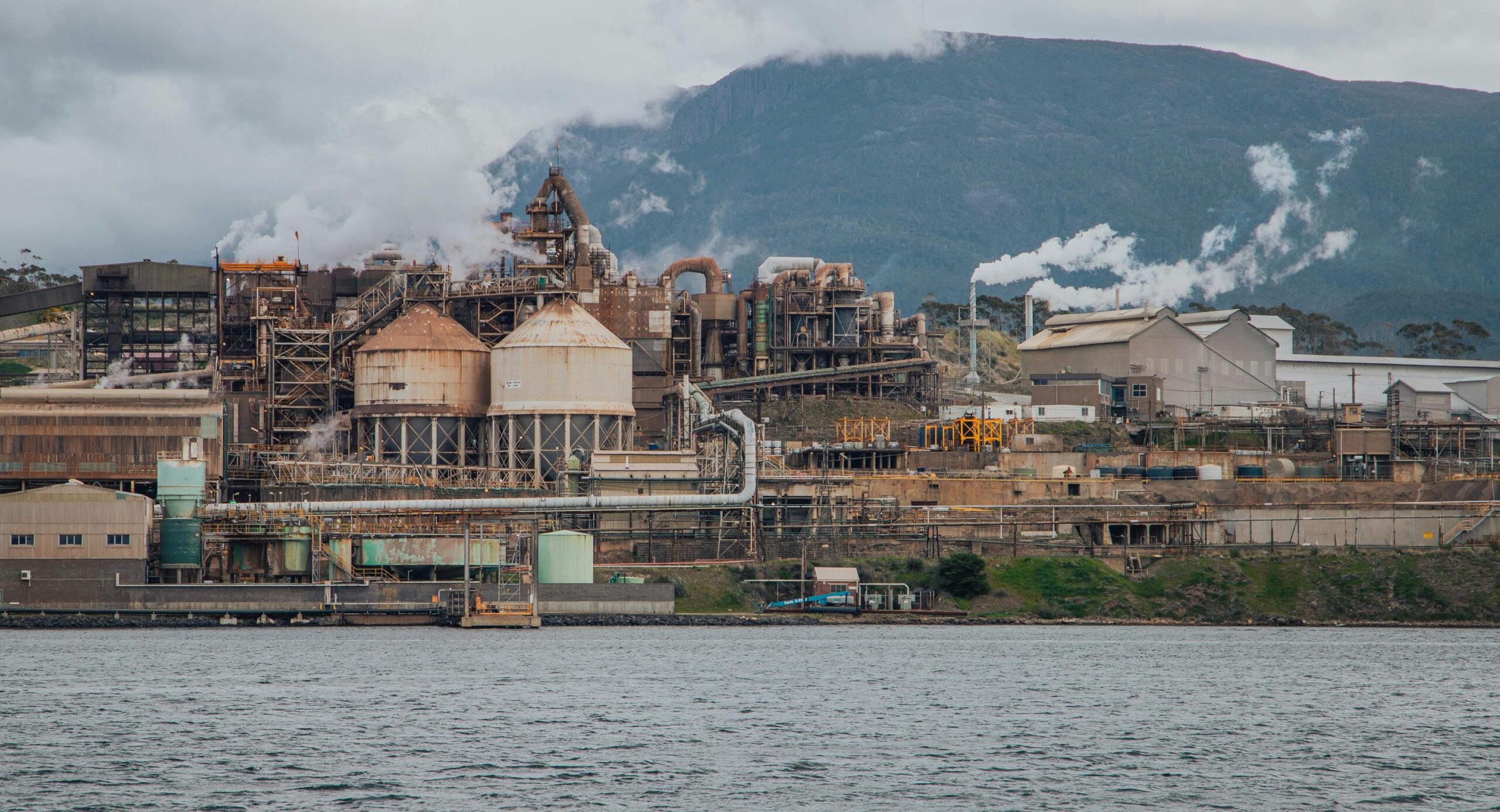
Infrastructure access serves as the backbone of modern civilization, connecting people, ideas, and opportunities in ways that transform entire communities and economies.

🌉 The Foundation of Progress: Understanding Infrastructure’s Role
Infrastructure encompasses far more than roads and bridges. It includes digital networks, utilities, transportation systems, and communication channels that form the connective tissue of society. When communities gain access to robust infrastructure, they unlock potential that was previously dormant, creating pathways for economic development, social mobility, and cultural exchange.
The relationship between infrastructure access and growth operates on multiple levels. Physical infrastructure enables the movement of goods and people, while digital infrastructure facilitates the flow of information and ideas. Together, these systems create an ecosystem where innovation can flourish and communities can evolve beyond their historical limitations.
Historical evidence demonstrates that societies with superior infrastructure consistently outperform those without. Ancient Rome’s extensive road network enabled commerce and military efficiency. The British railway system catalyzed the Industrial Revolution. Today’s fiber-optic networks are driving the digital economy, proving that infrastructure investment remains crucial across generations.
💡 The Innovation Catalyst: How Access Breeds Creativity
Infrastructure access directly correlates with innovation capacity. When researchers, entrepreneurs, and creative professionals can easily connect with collaborators, resources, and markets, they generate ideas and solutions at accelerated rates. Silicon Valley’s success stems partly from its concentration of transportation options, high-speed internet, and proximity to academic institutions.
Digital infrastructure has particularly transformed innovation landscapes. Cloud computing platforms, high-speed internet, and mobile networks enable individuals in remote locations to access tools and information previously available only in major urban centers. This democratization of resources has sparked innovation in unexpected places, from rural villages developing agricultural technology to small cities becoming fintech hubs.
Breaking Geographic Barriers
Traditional innovation centers emerged in specific locations due to infrastructure advantages. However, modern infrastructure is dissolving these geographic constraints. A software developer in rural Montana can now collaborate with a designer in Bangkok and a investor in London, creating products that serve global markets. This shift fundamentally changes how we think about economic geography and competitive advantage.
The reduction of distance as a barrier has enabled knowledge spillovers across regions. Ideas that once remained confined within specific industries or locations now spread rapidly through digital networks, accelerating the pace of innovation and cross-pollination between disciplines. This connectivity creates feedback loops where innovations in one field spark breakthroughs in others.
🚀 Economic Growth Multipliers Through Connected Systems
Infrastructure investment generates economic returns that extend far beyond initial construction costs. Every dollar invested in infrastructure typically produces multiple dollars in economic activity through various channels. These multiplier effects occur because infrastructure reduces transaction costs, expands market access, and enables businesses to operate more efficiently.
Transportation infrastructure exemplifies these multiplier effects. A new highway doesn’t just reduce travel time; it enables businesses to reach new customers, workers to access better employment opportunities, and regions to specialize in industries where they hold comparative advantages. The cumulative impact transforms regional economies, creating prosperity that wasn’t possible before.
Digital Infrastructure as Economic Accelerant
Digital infrastructure demonstrates even more dramatic multiplier effects. Broadband access enables remote work, digital commerce, online education, and telemedicine. Communities gaining high-speed internet often experience rapid economic transformation as residents launch online businesses, access global job markets, and consume digital services that improve quality of life.
Research indicates that broadband access can increase property values, attract new residents, and reduce brain drain from rural areas. Young professionals who previously left small towns for urban opportunities can now remain in their communities while pursuing careers in technology, finance, or creative industries that require only reliable internet connectivity.
🏘️ Community Transformation: Building Social Capital
Infrastructure’s impact extends beyond economics into social realm. Connected communities develop stronger social bonds, more robust civic engagement, and greater resilience in facing challenges. When people can easily gather, communicate, and collaborate, they build the social capital necessary for collective action and community improvement.
Public transportation systems illustrate this social dimension. Cities with extensive transit networks enable diverse populations to intermingle, fostering cultural understanding and reducing social segregation. Transit access also promotes equity by ensuring that economic opportunities aren’t limited to those who can afford private vehicles.
Digital Inclusion and Social Equity
Digital infrastructure plays an increasingly critical role in social equity. Internet access has become essential for participating in modern society, from applying for jobs to accessing government services to engaging in civic discourse. Communities lacking adequate digital infrastructure face systematic disadvantages that compound over time, creating digital divides that mirror and reinforce existing inequalities.
Addressing these divides requires intentional investment in infrastructure that serves underserved communities. Programs bringing broadband to rural areas, providing public WiFi in urban neighborhoods, and ensuring affordable access for low-income households help level playing fields and expand opportunity for marginalized populations.
🌍 Global Perspectives on Infrastructure Development
Infrastructure challenges and opportunities vary dramatically across global contexts. Developing nations often face infrastructure deficits that constrain economic growth and quality of life. However, these countries also have opportunities to leapfrog older technologies, implementing cutting-edge systems without being constrained by legacy infrastructure.
Mobile phone networks in Africa demonstrate this leapfrogging phenomenon. Many African nations skipped fixed-line telephone infrastructure entirely, moving directly to mobile networks. This enabled rapid expansion of communication access and spawned innovations like mobile banking, which has transformed financial inclusion for millions previously excluded from traditional banking systems.
Infrastructure Investment Models
Different regions employ varying approaches to infrastructure development. Some rely heavily on public investment and government planning, while others embrace public-private partnerships or market-driven approaches. Each model presents distinct advantages and challenges, and optimal strategies often blend elements from multiple approaches.
Sustainable infrastructure development requires balancing immediate needs with long-term considerations. Projects must address current gaps while remaining adaptable to future technologies and changing community needs. This forward-thinking approach prevents obsolescence and ensures that infrastructure investments deliver value across generations.
🔧 Overcoming Infrastructure Challenges
Despite infrastructure’s clear benefits, communities face significant obstacles in developing and maintaining these systems. Funding constraints represent the most common challenge, as infrastructure projects require substantial upfront capital with returns that materialize gradually over time. This mismatch between costs and benefits makes infrastructure investment politically and financially challenging.
Aging infrastructure in developed nations presents another critical challenge. Systems built decades ago now require extensive maintenance and upgrades, diverting resources from new projects. The American Society of Civil Engineers estimates that the United States alone needs trillions of dollars in infrastructure investment to repair and modernize existing systems.
Innovative Financing Solutions
Communities are developing creative approaches to infrastructure financing. Value capture mechanisms like tax increment financing enable municipalities to fund infrastructure using anticipated future tax revenues from development the infrastructure enables. Green bonds allow governments to raise capital from environmentally conscious investors for sustainable infrastructure projects.
Public-private partnerships can leverage private sector efficiency and capital while maintaining public oversight and benefit. These arrangements require careful structuring to ensure that private partners’ profit motives align with public interest, but successful examples demonstrate their potential for delivering high-quality infrastructure efficiently.
📱 The Digital Revolution in Infrastructure Planning
Technology is transforming not just the infrastructure we build, but how we plan, construct, and manage these systems. Smart sensors embedded in roads, bridges, and utilities provide real-time data on system performance, enabling predictive maintenance and optimal resource allocation. This data-driven approach reduces costs while improving service quality.
Geographic Information Systems and advanced modeling software allow planners to simulate infrastructure scenarios before committing resources, optimizing designs and minimizing unintended consequences. These tools enable more informed decision-making and stakeholder engagement, as visualizations help communities understand proposed projects’ impacts.
Smart Cities and Connected Infrastructure
The smart city movement integrates physical and digital infrastructure into cohesive systems that respond dynamically to changing conditions. Traffic lights adjust timing based on real-time congestion data. Energy grids balance supply and demand automatically. Waste collection routes optimize based on fill levels in receptacles throughout the city.
These intelligent systems improve efficiency, reduce environmental impact, and enhance quality of life. However, they also raise important questions about data privacy, cybersecurity, and digital equity that communities must address as they implement these technologies.
🌱 Sustainable Infrastructure for Future Generations
Contemporary infrastructure development must address environmental sustainability alongside economic and social objectives. Climate change, resource depletion, and environmental degradation demand that new infrastructure minimize ecological footprints while building resilience against environmental challenges.
Green infrastructure approaches integrate natural systems into built environments, using vegetation, permeable surfaces, and ecological design to manage stormwater, reduce urban heat, and improve air quality. These nature-based solutions often deliver multiple benefits at lower costs than conventional gray infrastructure.
Circular Economy Principles
Applying circular economy thinking to infrastructure means designing systems that minimize waste, maximize resource efficiency, and enable material recovery at end-of-life. This approach reduces environmental impact while creating economic opportunities in recycling, refurbishment, and sustainable materials industries.
Renewable energy infrastructure exemplifies sustainable development that addresses multiple objectives simultaneously. Solar panels and wind turbines generate clean electricity, reducing greenhouse gas emissions while creating jobs and decreasing dependence on imported fossil fuels. Battery storage systems and smart grids enable reliable renewable energy deployment at scale.
🤝 Collaborative Approaches to Infrastructure Development
Successful infrastructure projects require collaboration among diverse stakeholders including government agencies, private companies, community organizations, and residents. Early and meaningful engagement with affected communities ensures that projects address actual needs and incorporate local knowledge that improves outcomes.
Cross-sector partnerships bring together expertise and resources that no single entity possesses. Universities contribute research capabilities, technology companies provide innovative solutions, financial institutions offer capital, and community organizations ensure projects serve local populations effectively. These collaborations produce infrastructure that reflects diverse perspectives and priorities.
🎯 Measuring Infrastructure Impact: Beyond Traditional Metrics
Evaluating infrastructure success requires metrics that capture social and environmental outcomes alongside traditional economic measures. Cost-benefit analyses should incorporate externalities like pollution reduction, improved public health, and increased social cohesion that traditional accounting often overlooks.
Quality-of-life indicators provide valuable insights into infrastructure’s community impact. Metrics like commute times, internet speeds, access to essential services, and environmental quality help assess whether infrastructure investments truly improve residents’ lives. Community satisfaction surveys and participatory evaluation processes ensure that assessment reflects lived experiences.
🔮 The Future of Connected Communities
Infrastructure continues evolving as technologies advance and societal needs change. Autonomous vehicles will require new road designs and traffic management systems. Quantum computing may revolutionize digital infrastructure. Climate adaptation will demand resilient systems that withstand increasingly severe weather events.
The communities that thrive in coming decades will be those that invest strategically in infrastructure, adapting to changing conditions while maintaining focus on equity, sustainability, and quality of life. Infrastructure planning must become more agile, embracing flexibility and modularity that enables adaptation as circumstances evolve.
Emerging technologies like 5G networks, edge computing, and Internet of Things sensors will enable unprecedented connectivity and data collection. These capabilities create opportunities for optimizing urban systems, but also necessitate careful governance to protect privacy, ensure security, and prevent digital divides from widening.

🌟 Building Tomorrow’s Foundations Today
Infrastructure investment represents more than physical construction or network deployment. It embodies communities’ aspirations for their future, creating foundations for prosperity, innovation, and social progress. Every infrastructure decision shapes possibilities for generations to come, making thoughtful planning and inclusive decision-making essential.
The most successful infrastructure projects balance multiple objectives: economic efficiency, environmental sustainability, social equity, and adaptability to future needs. Achieving this balance requires vision, collaboration, and commitment to serving all community members, especially those historically marginalized or underserved.
As we build the infrastructure of tomorrow, we must remember that connections matter most. Infrastructure’s ultimate purpose isn’t moving data or vehicles efficiently, but connecting people to opportunities, ideas, and each other. When we design systems that foster these human connections, we create communities where everyone can thrive and contribute their unique talents to collective prosperity.
The path forward demands sustained commitment to infrastructure investment, innovative approaches to financing and delivery, and unwavering focus on equity and sustainability. Communities that embrace this challenge will unlock tremendous potential, transforming themselves into vibrant, connected places where growth, innovation, and human flourishing become realities for all residents.