
Walking is more than movement—it’s a gateway to healthier, happier communities. Discover how walkable neighborhoods are transforming lives, one step at a time.

🚶♀️ The Rising Movement Toward Walkable Neighborhoods
In recent years, urban planners, health professionals, and community advocates have recognized a fundamental truth: the design of our neighborhoods directly impacts our physical and mental wellbeing. Walkable communities—those designed with pedestrians in mind—are emerging as powerful catalysts for positive lifestyle changes that ripple through every aspect of daily existence.
These neighborhoods prioritize human-scale development over car-centric infrastructure, featuring sidewalks, crosswalks, mixed-use spaces, and accessible amenities within comfortable walking distances. The transformation isn’t just aesthetic; it’s deeply functional, addressing modern health crises while rebuilding social fabric that automobile dependency has eroded over decades.
Research consistently demonstrates that residents of walkable communities engage in significantly more physical activity, experience lower rates of chronic disease, report stronger social connections, and enjoy improved mental health outcomes compared to those living in car-dependent suburbs.
Physical Health Benefits That Accumulate With Every Step
The most immediate advantage of walkable communities lies in their ability to seamlessly integrate physical activity into daily routines. Rather than requiring dedicated gym time or special motivation, these neighborhoods make movement inevitable and enjoyable.
Cardiovascular Improvements Through Incidental Exercise
When walking becomes the default mode of transportation for errands, socializing, and commuting, residents accumulate substantial cardiovascular benefits without conscious effort. Studies show that people living in highly walkable areas are 35% more likely to meet recommended physical activity guidelines—at least 150 minutes of moderate-intensity exercise weekly.
This incidental exercise strengthens heart muscle, improves circulation, lowers blood pressure, and reduces resting heart rate. The cumulative effect of multiple short walks throughout the day proves just as beneficial as single extended exercise sessions, making fitness accessible to those who struggle with traditional workout routines.
Weight Management and Metabolic Health
Walkable neighborhoods demonstrate measurable impacts on obesity rates and metabolic syndrome. Research comparing similar populations in walkable versus car-dependent areas reveals significant differences in body mass index, with residents of pedestrian-friendly communities showing lower average weights and reduced incidences of type 2 diabetes.
The mechanism is straightforward: consistent walking burns calories, improves insulin sensitivity, and maintains metabolic function. When combined with the tendency for walkable neighborhoods to offer better access to fresh food markets and healthy dining options, the weight management benefits multiply.
Musculoskeletal Strength and Balance
Regular walking strengthens leg muscles, core stability, and balance systems—critical factors in preventing falls and maintaining independence as we age. The varied terrain of walkable neighborhoods, with curbs, gentle slopes, and different surfaces, provides natural strength training that sterile gym environments cannot replicate.
Older adults in walkable communities maintain mobility longer, experience fewer fall-related injuries, and preserve functional independence well into advanced age compared to counterparts in isolated, car-dependent settings.
Mental Wellness Flourishes in Pedestrian-Friendly Spaces
The psychological benefits of walkable communities extend far beyond the mood-boosting effects of physical activity alone. These neighborhoods reshape our daily experiences in ways that profoundly impact mental health and emotional wellbeing.
Stress Reduction Through Natural Movement
Walking serves as a natural stress-management tool, reducing cortisol levels and activating parasympathetic nervous system responses that promote relaxation. In walkable communities, this stress relief happens organically throughout the day rather than requiring dedicated meditation sessions or expensive therapy.
The rhythmic nature of walking, combined with exposure to outdoor environments and varied visual stimuli, provides mental breaks that improve cognitive function and emotional regulation. Residents report feeling less overwhelmed by daily demands and more capable of managing life’s inevitable challenges.
Social Connection as Psychological Medicine
Perhaps the most underappreciated mental health benefit of walkable communities is their ability to foster social connections. When people walk through neighborhoods regularly, spontaneous interactions multiply—brief conversations with neighbors, familiar faces at local shops, casual greetings on sidewalks.
These micro-connections combat isolation and loneliness, which research identifies as health risks comparable to smoking or obesity. The sense of belonging that develops in walkable neighborhoods provides psychological resilience, social support networks, and meaningful human connection that car-dependent isolation systematically prevents.
Cognitive Function and Creative Thinking
Walking stimulates brain function in remarkable ways. Studies using brain imaging reveal that walking increases blood flow to cognitive centers, enhancing memory formation, problem-solving abilities, and creative thinking. Many residents of walkable communities report breakthrough ideas occurring during routine walks—a phenomenon confirmed by research on the relationship between movement and cognitive processing.
Environmental Design That Shapes Behavior
Walkable communities succeed because they recognize a fundamental principle: humans are profoundly influenced by their physical environment. Thoughtful design makes healthy choices the easiest choices, transforming abstract health intentions into concrete daily actions.
Mixed-Use Development Creates Natural Activity Patterns
When residential areas integrate shops, services, parks, and workplaces within walking distance, residents naturally accumulate more movement. The need to access daily necessities becomes an opportunity for exercise rather than a sedentary car trip.
This mixed-use approach generates vibrant street life that makes walking pleasant and interesting. Unlike monotonous suburban landscapes dominated by similar houses, walkable neighborhoods offer visual variety, human activity, and destinations that make each walk engaging rather than tedious.
Infrastructure That Prioritizes Pedestrian Safety and Comfort
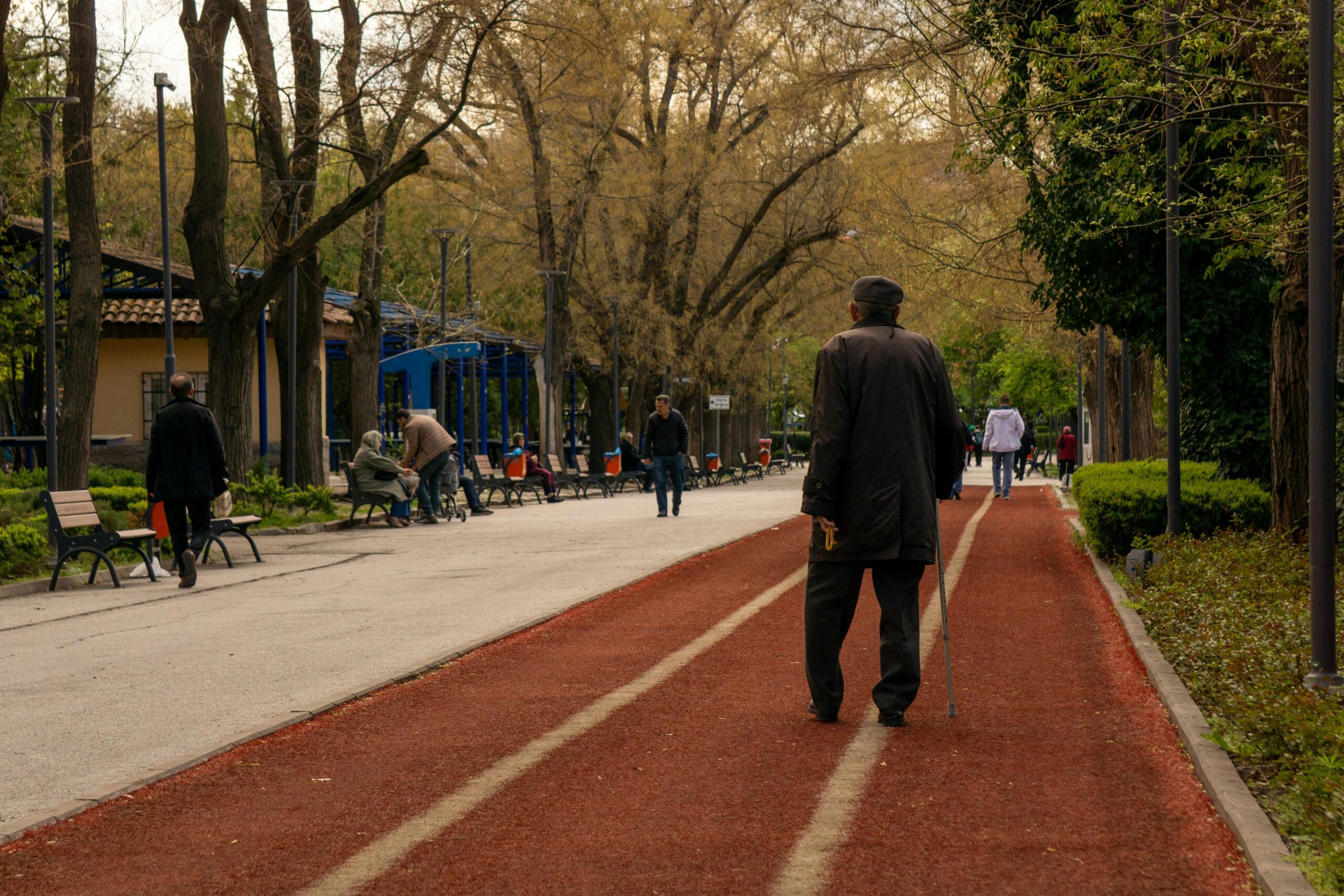
True walkability requires more than proximity—it demands infrastructure that makes walking safe, comfortable, and appealing. This includes wide sidewalks separated from traffic, frequent crosswalks with clear signaling, street lighting for evening safety, benches for resting, and tree canopy providing shade.
Communities investing in these features see walking rates increase dramatically. When pedestrians feel safe and comfortable, walking transforms from an occasional activity into a preferred transportation method that naturally supports health goals.
Economic Advantages That Support Community Wellbeing
The benefits of walkable communities extend into economic realms that indirectly support health and wellness through financial security and community investment.
Reduced Transportation Costs
Households in walkable neighborhoods typically own fewer vehicles and spend significantly less on transportation—often saving $3,000-$10,000 annually compared to car-dependent families. These savings provide financial flexibility that reduces stress and allows investment in other health-promoting activities and resources.
Lower transportation costs particularly benefit lower-income families, for whom vehicle ownership, maintenance, insurance, and fuel can consume disproportionate portions of household budgets.
Property Values and Community Investment
Walkable neighborhoods consistently command premium property values, often 20-40% higher than comparable car-dependent areas. This economic advantage reflects genuine demand for pedestrian-friendly living and generates tax revenues that support community infrastructure, parks, and public services that further enhance livability.
Technology Supporting Walking Habits
Modern technology complements walkable community design by helping residents track activity, discover routes, and stay motivated. Step-counting apps have become valuable tools for those building consistent walking habits.
Applications like pedometer and step-tracking tools help users monitor daily movement, set incremental goals, and visualize progress over time. These digital companions provide accountability and motivation that help walking routines solidify into lasting habits.
Walking apps also help residents discover neighborhood routes they might otherwise overlook, revealing hidden parks, shortcuts, and interesting destinations that make daily walks more engaging and varied.
Overcoming Barriers to Walkable Community Development
Despite overwhelming evidence supporting walkable neighborhood design, significant obstacles persist in transforming car-dependent areas into pedestrian-friendly communities.
Zoning Regulations and Planning Mindsets
Many municipalities maintain outdated zoning codes that mandate separation between residential and commercial uses, require excessive parking, and prioritize vehicle throughput over pedestrian experience. Reforming these regulations requires sustained advocacy and political will to overcome entrenched interests and planning assumptions.
Retrofitting Existing Car-Dependent Areas
Transforming suburban sprawl into walkable neighborhoods presents enormous challenges. The physical layout of these areas—wide roads, separated uses, large parking lots—cannot be easily reconfigured. However, incremental improvements—adding sidewalks, creating neighborhood centers, improving crosswalks—can gradually increase walkability even in challenging contexts.
Creating Personal Wellness Through Community Choices
For individuals unable to relocate to established walkable neighborhoods, strategies exist to increase walking and capture associated health benefits within existing living situations.
Advocating for Local Infrastructure Improvements
Residents can organize to demand sidewalk construction, crosswalk improvements, and traffic calming measures from local governments. Many communities have successfully transformed dangerous or unwalkable streets through persistent advocacy and demonstration of community support for pedestrian infrastructure.
Creating Walking Routines Within Current Environments
Even in less-than-ideal settings, intentional walking routines—morning walks before work, lunchtime strolls, evening neighborhood loops—can capture many health benefits of walkable communities. The key is consistency and viewing walking as essential rather than optional.
Building Walking Social Groups
Organizing regular walking groups with neighbors or friends adds social motivation and accountability that helps maintain consistency. These groups also demonstrate community demand for pedestrian improvements, potentially influencing local decision-makers.
The Future of Urban Health: Walking Our Way Forward
The growing recognition of walkability’s profound health impacts is reshaping urban planning priorities worldwide. Forward-thinking cities are reimagining street spaces, reducing car dominance, and investing in pedestrian infrastructure as public health interventions rather than mere transportation projects.
This shift represents a fundamental reconsideration of what makes communities thrive. Rather than measuring success through traffic flow or parking availability, progressive planners evaluate neighborhoods based on walkability scores, pedestrian safety metrics, and residents’ physical activity levels.
Emerging evidence suggests that walkable communities may offer solutions to multiple interconnected crises—public health epidemics of chronic disease, social isolation and mental health challenges, environmental degradation from vehicle emissions, and economic inequality exacerbated by transportation costs.
Small Steps Leading to Transformed Lives
The beauty of walkable communities lies in their cumulative impact. No single walk transforms health, but thousands of small trips—to the market, school, park, or neighbor’s home—aggregate into profound wellness improvements that conventional health interventions struggle to achieve.
These communities succeed because they align environmental design with human nature. Rather than requiring constant willpower to overcome car-dependent convenience, walkable neighborhoods make the healthy choice the easy choice, allowing wellness to emerge naturally from daily living patterns.
For individuals, families, and societies seeking sustainable paths toward better health, walkable communities offer evidence-based solutions that address root causes rather than symptoms. They prove that sometimes the most powerful medicine isn’t found in pills or procedures, but in thoughtfully designed spaces that invite us to step outside and engage with the world around us.
The transformation begins with a single step, multiplies through consistent movement, and culminates in communities where health, happiness, and human connection flourish naturally. As more neighborhoods embrace walkable design principles, we’re not just building better cities—we’re creating environments where wellness becomes woven into the fabric of everyday life, accessible to all who choose to step forward into healthier living.