Access to nature isn’t a luxury—it’s a fundamental need that shapes our physical health, mental wellbeing, and sense of belonging in our communities.

🌳 The Green Space Crisis Facing Modern Communities
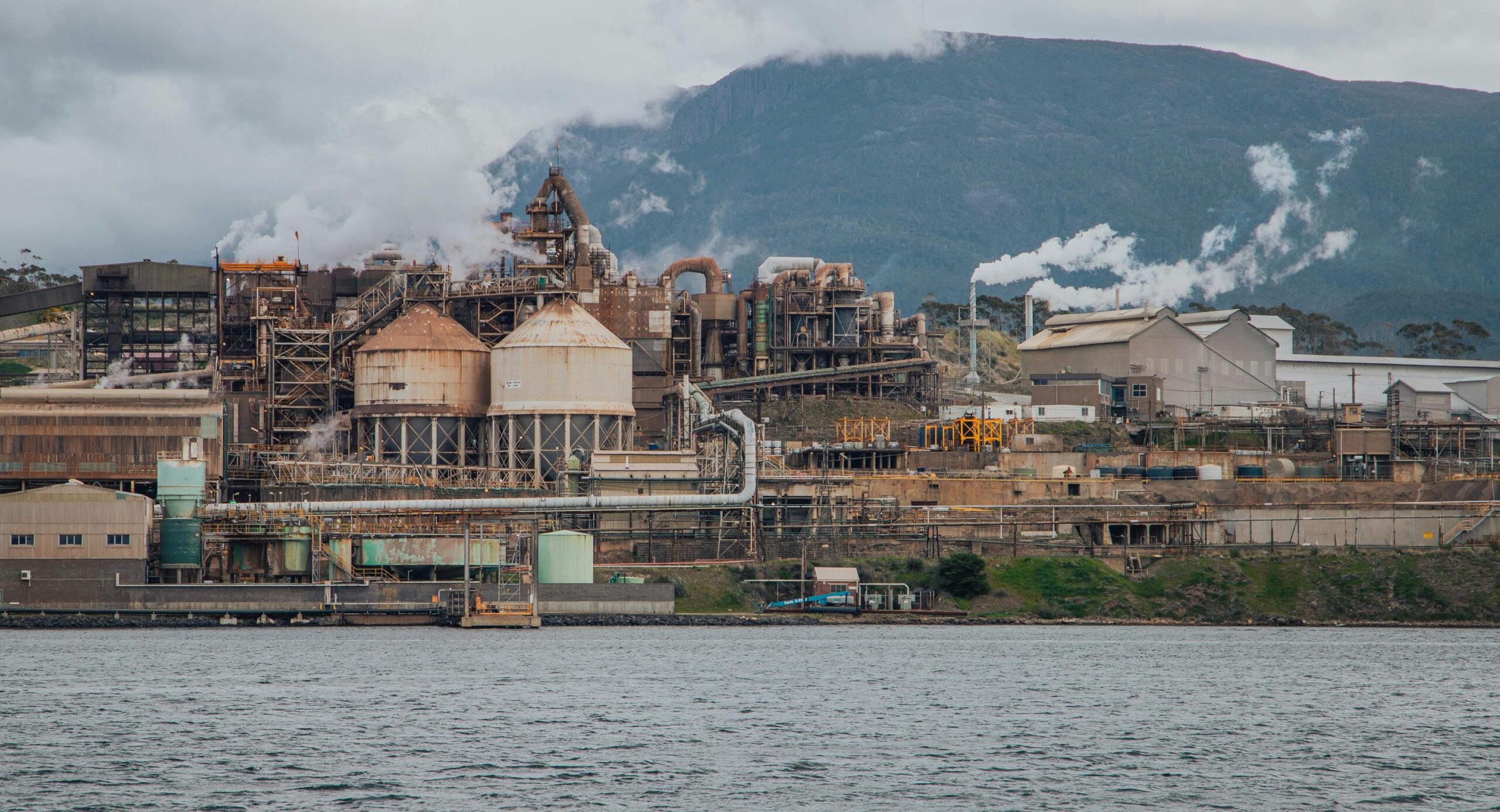
Urban expansion continues at an unprecedented rate, with concrete and steel replacing forests, meadows, and wetlands. According to recent studies, nearly 100 million Americans lack adequate access to quality green spaces within a 10-minute walk from their homes. This disparity isn’t random—it follows clear patterns of income inequality and historical marginalization.
Low-income neighborhoods and communities of color consistently have fewer parks, smaller green areas, and poorly maintained outdoor spaces compared to affluent areas. The consequences ripple through every aspect of life: higher rates of obesity, increased mental health challenges, elevated stress levels, and weakened social bonds. When nature becomes a privilege rather than a right, entire communities suffer.
But understanding the problem represents just the first step. The real challenge lies in reimagining our urban landscapes, prioritizing equitable access, and creating sustainable solutions that serve everyone regardless of zip code or income level.
Why Green Spaces Matter More Than Ever
The evidence supporting nature’s impact on human health has reached overwhelming proportions. Researchers across disciplines—from public health to psychology, urban planning to environmental science—consistently demonstrate that regular exposure to green spaces produces measurable benefits.
Physical Health Benefits That Transform Lives
Access to parks and natural areas encourages physical activity in ways that gyms and indoor facilities cannot replicate. People walk more, children play longer, and families engage in outdoor recreation when green spaces exist nearby. Studies show that individuals living near parks exercise 20-30% more frequently than those without convenient access.
The health improvements extend beyond simple exercise. Trees and vegetation filter air pollutants, reducing respiratory problems and cardiovascular disease. Urban forests lower surrounding temperatures during heat waves, protecting vulnerable populations from heat-related illnesses. Even passive exposure—simply being near nature—reduces blood pressure, strengthens immune function, and improves sleep quality.
Mental Wellbeing and Emotional Resilience 🧠
Nature serves as a powerful antidote to the stress and anxiety that characterize modern life. Time spent in green spaces decreases cortisol levels, reduces symptoms of depression, and improves overall mood. For children diagnosed with ADHD, regular outdoor play shows results comparable to medication in some studies.
The Japanese practice of “forest bathing” or shinrin-yoku has gained scientific validation, demonstrating that immersive nature experiences produce lasting psychological benefits. Even viewing nature through windows or in photographs triggers positive neurological responses, though direct contact yields stronger effects.
During the COVID-19 pandemic, access to outdoor spaces became a critical mental health resource. Communities with abundant parks and trails showed lower rates of anxiety and depression compared to neighborhoods lacking green infrastructure.
Building Stronger Social Connections
Parks and green spaces function as community living rooms—neutral ground where diverse populations naturally interact. Playgrounds bring together parents from different backgrounds. Community gardens foster cooperation and shared purpose. Trail systems connect neighborhoods and encourage spontaneous encounters.
These interactions matter profoundly. Social isolation has become a public health crisis rivaling obesity and smoking in its health impacts. Green spaces combat loneliness by creating opportunities for casual conversation, organized activities, and community events that strengthen neighborhood bonds.
Mapping the Barriers to Access
Expanding green space access requires understanding why disparities exist and persist. The obstacles aren’t merely geographic—they’re deeply rooted in policy decisions, economic structures, and historical injustices.
The Geography of Inequality
Park deserts—areas where residents lack access to quality green space—cluster in predictable patterns. Industrial zones, highway corridors, and historically redlined neighborhoods often feature minimal vegetation and inadequate recreational facilities. Meanwhile, wealthy suburbs boast extensive trail networks, well-maintained parks, and abundant tree canopy.
This distribution didn’t happen accidentally. Decades of urban planning prioritized property values and economic development over equitable access to nature. Highways bisected neighborhoods. Industrial facilities located near communities with limited political power. Investment flowed toward areas that needed it least.
Safety Concerns and Perception Issues
Even when parks exist in underserved communities, safety concerns often limit usage. Poor lighting, inadequate maintenance, and actual or perceived crime make families reluctant to visit. Women, elderly residents, and LGBTQ+ individuals may feel particularly vulnerable in isolated or neglected spaces.
Cultural factors also influence park usage. Landscapes designed without community input may not reflect the needs and preferences of diverse populations. Programming that doesn’t consider language barriers, cultural traditions, or religious practices can inadvertently exclude residents.
The Transportation Challenge 🚌
Distance alone doesn’t tell the full story. A park one mile away remains inaccessible without safe pedestrian routes, reliable public transportation, or the financial means to drive. Busy streets without crosswalks, disconnected sidewalks, and limited transit options effectively create barriers as impassable as walls.
Innovative Strategies for Expanding Access
Communities worldwide are pioneering creative approaches to democratize nature access. These solutions range from large-scale infrastructure projects to grassroots initiatives that transform neglected spaces into community assets.
Pocket Parks and Micro-Green Spaces
When large tracts of land aren’t available, small interventions can make significant impacts. Pocket parks—tiny green spaces often smaller than a basketball court—provide nature access in dense urban areas. Vacant lots become community gardens. Parking spaces transform into “parklets” with seating and planters.
These micro-spaces work because proximity matters more than size for daily nature contact. A small playground two blocks away serves families better than a sprawling park requiring a car trip. Philadelphia’s innovative Vacant Lot Greening Program demonstrated that simply maintaining and greening abandoned lots reduces gun violence and stress while increasing physical activity.
Green Streets and Linear Parks
Reimagining transportation infrastructure creates opportunities for expanded access. Complete streets that incorporate trees, bioswales, and vegetation serve multiple purposes: stormwater management, air quality improvement, aesthetic enhancement, and nature access.
Rails-to-trails conversions transform abandoned railway corridors into pedestrian and bicycle pathways that connect neighborhoods while providing green corridors through urban areas. New York’s High Line demonstrated how elevated infrastructure could become beloved public space, inspiring similar projects globally.
Schoolyard Transformations 🏫
Schoolyards represent underutilized assets in many communities. These spaces typically sit empty after school hours and during summer months. Progressive communities are greening schoolyards with native plants, outdoor classrooms, and play areas, then opening them to neighborhood residents during non-school hours.
This approach provides multiple benefits: enhanced learning environments for students, increased green space access for residents, and efficient use of public property. The Trust for Public Land’s Community Schoolyards program has transformed hundreds of asphalt lots into vibrant community gathering spaces.
Technology Enabling Connection
Digital tools increasingly help people discover and engage with nearby nature. Apps that map parks, identify trails, and provide information about amenities make green spaces more accessible, particularly for newcomers to an area or city visitors.
Some communities have developed apps specifically designed to connect residents with local parks and outdoor activities. These platforms share event calendars, provide nature identification features, and build communities around outdoor recreation.
Community-Driven Solutions That Work
The most successful green space initiatives emerge from communities themselves rather than being imposed from above. Grassroots efforts often understand local needs better than distant planning agencies and generate the ongoing commitment necessary for long-term success.
Participatory Planning Processes
Engaging residents in design decisions ensures that new green spaces meet actual community needs. Participatory planning sessions, walking tours, and community design charrettes gather input from diverse stakeholders, including children, elderly residents, and traditionally marginalized groups.
This approach prevents well-intentioned projects from missing the mark. A community might prioritize sports facilities over hiking trails, or prefer gathering spaces for large family events over individual benches. Cultural preferences regarding sun versus shade, water features, and activity types should inform design choices.
Stewardship Programs Building Ownership 🌱
When communities participate in creating and maintaining green spaces, they develop ownership and pride that enhances safety and sustainability. Volunteer tree-planting initiatives, adopt-a-park programs, and community gardening projects transform residents from passive users into active stewards.
These programs provide additional benefits beyond park maintenance. Participants develop new skills, form social connections, and gain employment pathways in green industries. Youth programs combining environmental stewardship with job training create opportunities while improving neighborhoods.
Overcoming the Green Gentrification Challenge
A troubling pattern has emerged in some cities: new parks and green spaces trigger property value increases that displace long-time residents. This “green gentrification” creates a cruel irony where communities that advocated for parks cannot afford to stay and enjoy them.
Addressing this requires proactive policies protecting existing residents while improving neighborhoods. Community land trusts, affordable housing mandates, and property tax relief programs can help prevent displacement. Timing matters—implementing anti-displacement measures before rather than after green space improvements proves most effective.
Portland, Oregon has pioneered approaches that bundle park development with affordable housing protection. Minneapolis incorporated equity analysis into all park planning, ensuring that improvements serve rather than displace vulnerable residents.
Policy Changes That Create Lasting Impact
While community initiatives provide immediate benefits, systemic change requires supportive policies at multiple government levels. Progressive jurisdictions are implementing innovative regulations and funding mechanisms that prioritize equitable green space access.
Establishing Green Space Standards
Some cities have adopted policies requiring that all residents live within a specific distance—often 10 minutes’ walk—of quality green space. These standards create clear benchmarks for measuring progress and prioritizing investments in underserved areas.
Defining “quality” matters as much as proximity. Standards should address size, amenities, maintenance levels, and accessibility features to ensure that spaces genuinely serve community needs rather than existing merely on paper.
Dedicated Funding Mechanisms 💰
Sustainable green space development requires reliable funding. Ballot measures creating dedicated park funds have succeeded in numerous communities, demonstrating public support for nature access. Some jurisdictions use real estate transfer taxes, development fees, or bonds specifically designated for park acquisition and maintenance.
Equity-focused funding formulas direct resources toward communities with the greatest needs rather than distributing money evenly regardless of existing access. This targeted approach accelerates progress in reducing disparities.
The Environmental Justice Dimension
Green space access intersects fundamentally with environmental justice. Communities lacking parks often face multiple environmental burdens: air pollution from highways, urban heat islands, contaminated sites, and inadequate tree canopy. These factors compound health disparities and limit quality of life.
Addressing green space inequity contributes to broader environmental justice goals. Urban forests combat climate change impacts that disproportionately affect vulnerable populations. Rain gardens and bioswales reduce flooding in communities with inadequate infrastructure. Community gardens provide fresh produce in food deserts.
Recognizing these connections enables integrated approaches that address multiple challenges simultaneously. Climate resilience planning should prioritize green infrastructure in areas facing the greatest risks and having the fewest resources.
Looking Forward: Building the Green Communities We Need 🌍
Expanding green space access represents an investment in community health, environmental sustainability, and social equity that pays dividends for generations. The benefits extend far beyond individual wellbeing to encompass stronger neighborhoods, cleaner air and water, climate resilience, and more livable cities.
Progress requires sustained commitment from multiple stakeholders. Government agencies must prioritize equitable access in planning and funding decisions. Developers should incorporate meaningful green space in projects. Community organizations need support for grassroots initiatives. Individuals can advocate for policy changes, volunteer for stewardship programs, and support funding measures.
The COVID-19 pandemic revealed both the critical importance of accessible nature and the stark inequities in who could benefit from outdoor spaces. As communities rebuild and reimagine post-pandemic life, prioritizing green space access offers opportunities to create healthier, more equitable, and more connected places.
Nature doesn’t have to be a luxury enjoyed by few. With intentional effort, creative solutions, and genuine commitment to equity, every community can provide residents with the green spaces necessary for health, happiness, and connection. The time to act is now—our communities, our health, and our planet depend on it.
Taking Action in Your Community
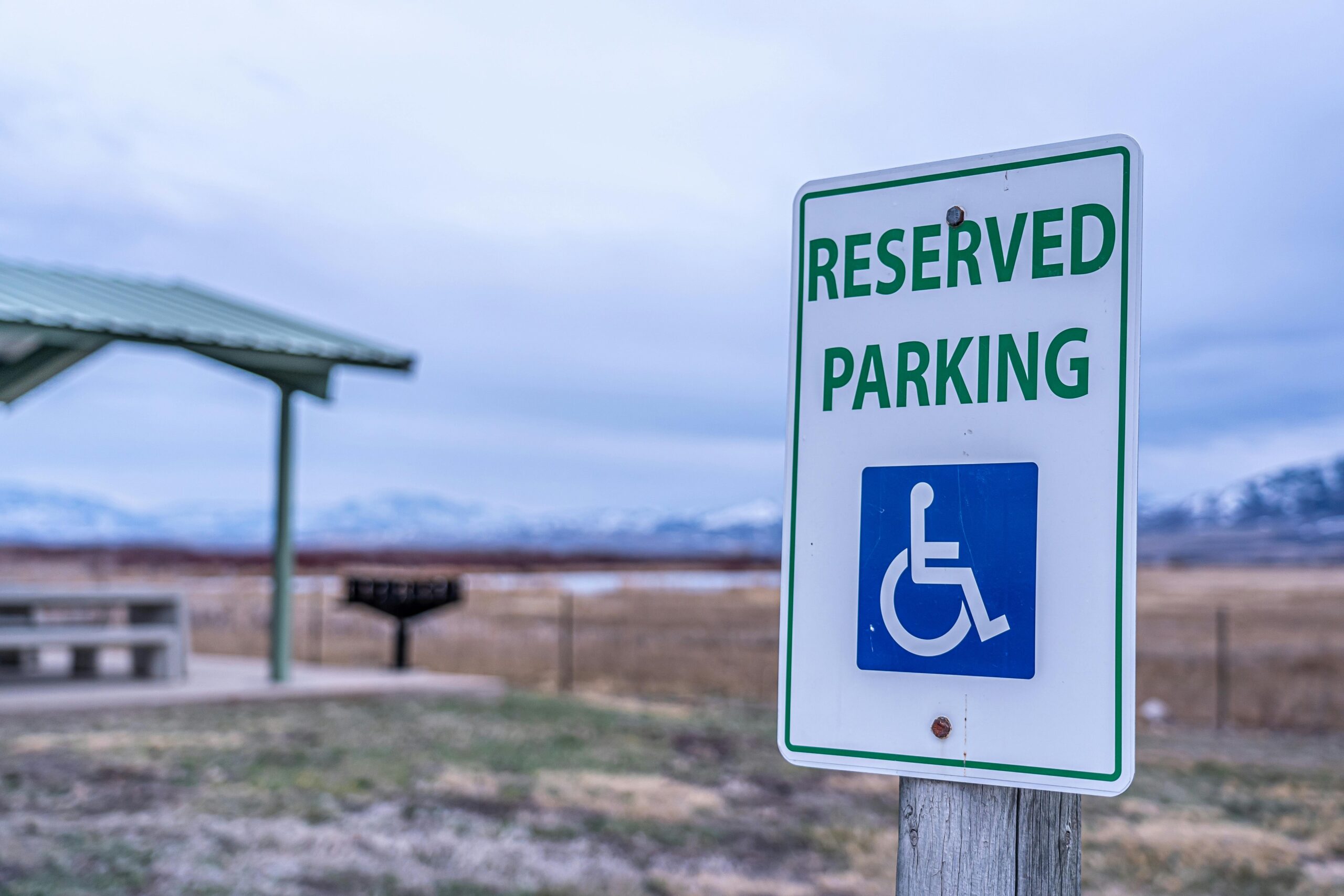
Individual actions combine to create powerful momentum for change. Start by exploring green spaces in your area and learning about access disparities. Attend local planning meetings and advocate for equitable park development. Support organizations working to expand nature access. Volunteer for tree-planting or park maintenance events.
If you’re a parent, push for schoolyard greening initiatives. If you own property, consider how you can contribute to neighborhood green infrastructure. Professionals in planning, design, public health, and related fields can champion equity-focused approaches in their work.
Most importantly, use and enjoy the green spaces available to you. Bring friends and family. Introduce newcomers to local parks. Build community in outdoor spaces. When people actively engage with nature, they become powerful advocates for protecting and expanding access for everyone.
The vision of healthy, happy, connected communities with nature access for all is achievable. It requires seeing green spaces not as amenities but as essential infrastructure—as vital as roads, schools, and utilities. By working together across differences and prioritizing equity, we can unlock nature’s benefits for everyone, creating communities where all residents can thrive. 🌿